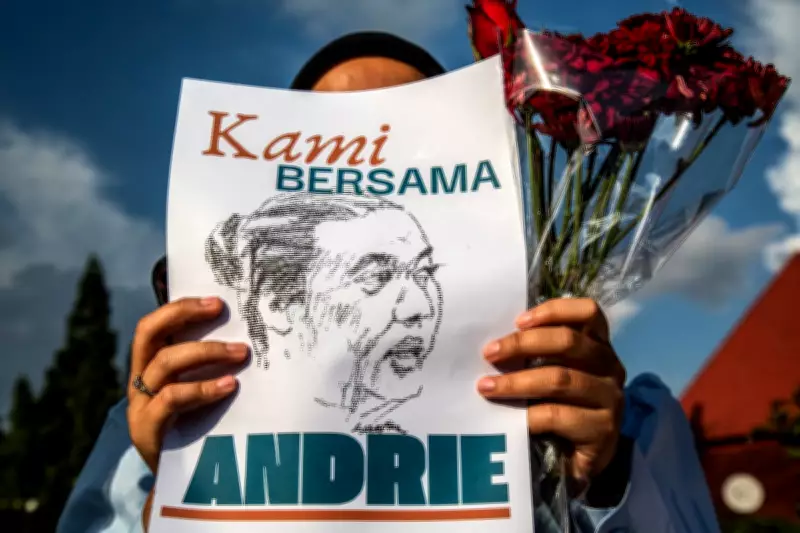
Indonesian military prosecutors have formally charged four officers in connection with a brutal acid attack on activist Andrie Yunus, seeking a maximum prison sentence of 12 years. The attack, which occurred on 12 March, left Mr Yunus with severe burns covering 20 per cent of his face and body.
Details of the Attack
Mr Yunus serves as deputy coordinator for the Commission for Missing Persons and Victims of Violence (KontraS), a prominent human rights organisation. Prosecutors allege the officers carried out the assault because they felt affronted by Mr Yunus's protests against legal changes that would allow more military officers to assume civilian government posts. According to a military prosecutor, the attackers used a mixture of car battery acid and rust remover, believing that Mr Yunus had insulted the military as an institution.
Charges and Legal Proceedings
The four officers have been charged with serious premeditated assault, a crime that carries a maximum penalty of 12 years' imprisonment under Indonesian military law. The case is being handled in a military court, which has raised concerns among human rights groups about potential leniency. Indonesia's human rights watchdog, Komnas HAM, has expressed worry that military courts may not deliver adequate justice and has urged police to investigate other alleged perpetrators in civilian courts.

Broader Implications
The attack and subsequent legal proceedings have highlighted growing concerns about democratic erosion in Indonesia. Critics argue that the increasing influence of the military in civilian affairs undermines democratic institutions and human rights protections. The case has drawn international attention, with activists calling for a transparent and fair trial. Mr Yunus's colleagues at KontraS have condemned the attack as an attempt to silence dissent and have called for stronger protections for human rights defenders.
As the legal process unfolds, the Indonesian government faces pressure to ensure accountability and uphold the rule of law. The outcome of this case could set a precedent for how military personnel are held responsible for crimes against civilians.