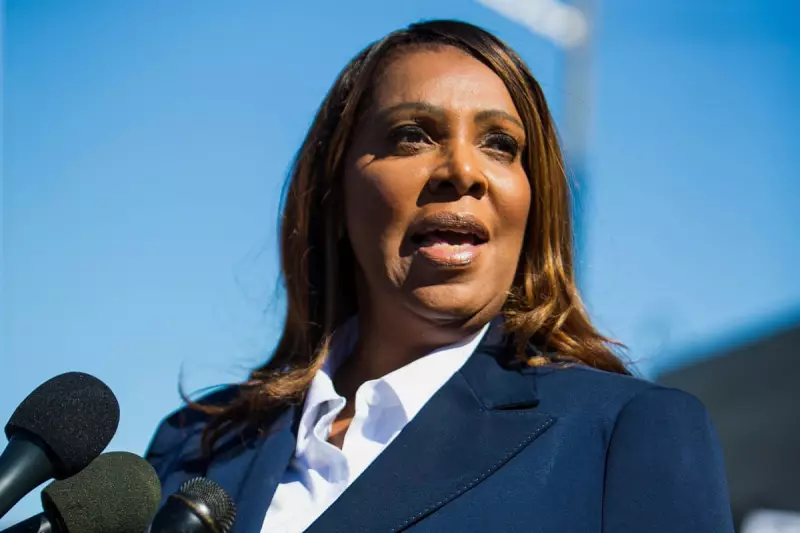
In a significant legal development, a federal grand jury in the United States has declined to re-indict New York Attorney General Letitia James on mortgage fraud charges. The decision, delivered on Thursday, comes less than a fortnight after a federal judge dismissed a similar case, ruling the prosecutor behind it was unlawfully appointed to her role.
Chronology of a Controversial Case
The case against James, a prominent political adversary of former President Donald Trump, originated in October. She faced one count of bank fraud and one count of making a false statement to a financial institution. The charges stemmed from a mortgage she secured in 2020 for a property in Norfolk, Virginia.
Prosecutors alleged that James obtained a more favourable interest rate by declaring the home would be a secondary residence, while she subsequently rented it out. This purportedly saved her approximately $18,933 over the term of the loan. James has consistently maintained her innocence, arguing she did nothing wrong.

Legal Challenges and Appointment Dispute
The case unravelled primarily on procedural grounds. James's legal team, along with that of former FBI Director James Comey who faced similar charges, challenged the appointment of the prosecutor, Lindsey Halligan. Halligan, a former White House aide and Trump ally, had been installed as the US Attorney for the Eastern District of Virginia in late September.
Her predecessor, Erik Siebert, was reportedly forced out after determining there was insufficient evidence to charge Comey. US District Judge Cameron McGowan Currie ruled last month that Halligan's appointment was unlawful. The judge concluded that once Siebert's 120-day acting period had expired and local judges extended his tenure, the Trump administration could not unilaterally appoint a replacement.
Weak Case and Professional Fallout
Beyond the appointment issue, legal experts noted the case's inherent weakness. Former prosecutors stated the financial benefit was too minor to typically warrant a federal prosecution. Furthermore, the mortgage's 'second home' rider did not explicitly prohibit renting. Evidence also showed James had communicated to her broker that she did not intend to use the Norfolk property as a primary residence.
Career prosecutors who initially concluded there was insufficient evidence to charge James were later fired. The Justice Department's decision to present the case to a second grand jury was widely viewed as a sign of its determination to pursue James following her successful civil fraud lawsuit against Donald Trump in New York.
Implications and Aftermath
The grand jury's refusal to re-indict effectively brings this chapter of legal proceedings against Letitia James to a close, barring any further extraordinary moves by federal authorities. It underscores the importance of proper judicial appointments and prosecutorial discretion. The episode highlights the intensely politicised nature of legal battles involving figures closely associated with the polarising legacy of the Trump administration.