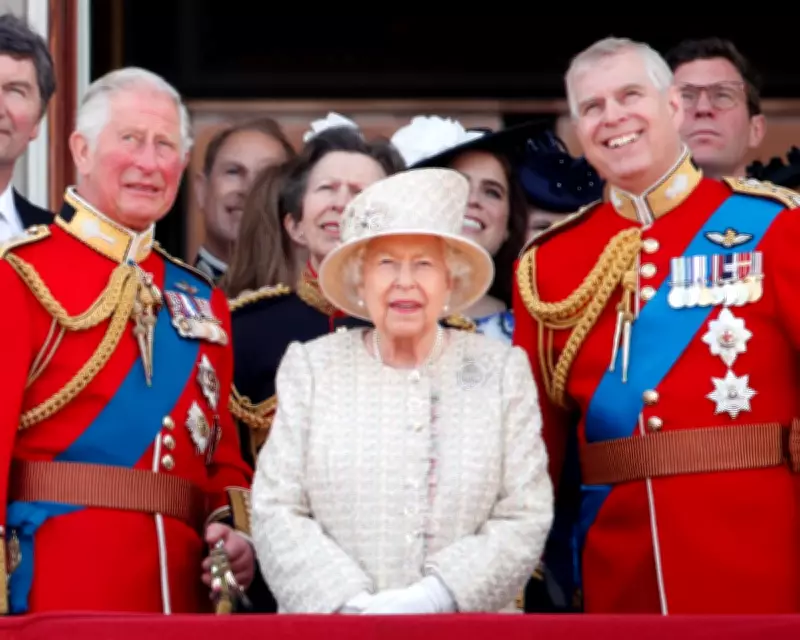
The royal family is embroiled in deepening controversy as details emerge of a multi-million dollar payment to settle Prince Andrew's civil case, fueling allegations of a cover-up and sparking public outrage over transparency issues within the monarchy.
Financial Settlements and Family Tensions
In 2019, senior royals, including the late Queen Elizabeth II and Prince Charles, reportedly authorized a staggering $12 million payout, plus substantial legal fees, to prevent Prince Andrew from testifying in a New York courtroom regarding allegations of sexual abuse by Virginia Giuffre. Andrew has consistently denied all wrongdoing, but the settlement has raised eyebrows about the family's priorities and financial dealings.
Sources indicate that the funds primarily originated from the late queen and the estate of the Duke of Edinburgh, with speculation that public money from the Duchy of Lancaster may have been involved. This lack of clarity has intensified calls for accountability, as the Windsors have historically been tight-fisted with their finances, often engaging in internal disputes over money distribution.

Public Statements and Private Actions
Recent statements from King Charles III and Prince William express support for victims and readiness to assist Thames Valley police. However, critics argue that these gestures fall short of meaningful action. Victims and observers are demanding more proactive measures, such as releasing security logs from Buckingham Palace and Balmoral, and providing internal household documentation that could shed light on the case.
A leaked email from 2011 suggested that Andrew requested a taxpayer-funded royal protection officer to investigate Giuffre, though the Met police closed the inquiry due to lack of evidence. This has led to questions about whether Andrew has ever been formally interviewed by authorities regarding any aspect of the Epstein scandal.
Historical Inconsistencies and Diplomatic Doubts
Andrew's credibility has been further undermined by inconsistencies in his accounts. For instance, he claimed to have been staying with the late Thomas Harris, former British consul general in New York, during a key period, but Harris publicly stated he had no recollection of the visit and it was not recorded in the Court Circular. Such discrepancies have fueled skepticism about the monarchy's handling of the situation.
Despite Andrew's assurances to journalist Emily Maitlis that he would cooperate with US investigators, the then US attorney for the southern district of New York reported that Andrew offered "zero" cooperation, leaving the door open for future engagement that never materialized.
Institutional Repercussions and Public Perception
The royal family's approach is perceived as a two-faced game, where public expressions of concern mask a reluctance to provide substantive information. This has created a noxious impression of the institution being adjacent to a cover-up, even if senior members are not directly implicated in alleged crimes. The de-princing of Andrew, intended as an internal solution, has failed to quell the scandal, highlighting strategic missteps in a non-meritocratic system.
As the monarchy grapples with these challenges, the question remains whether doing "a bit less than nothing" will suffice, or if more transparent and accountable actions are necessary to restore public trust.