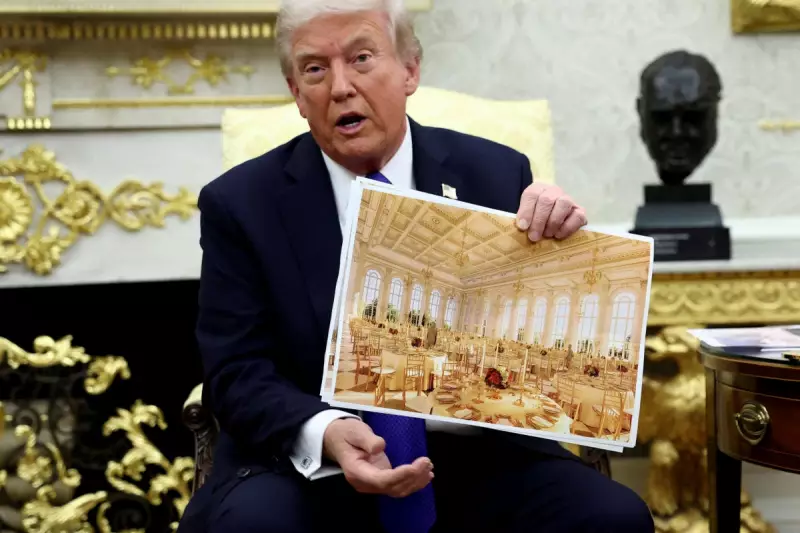
Donald Trump's ambitious project to build a new ballroom at the White House has ballooned in scale, cost, and destructive impact, with reports revealing he instructed construction teams to disregard standard planning regulations.
Project Scope and Cost Skyrocket
The privately funded ballroom project has undergone a dramatic transformation from its original proposal. The estimated cost has surged from $200 million to approximately $350 million, representing a near-doubling of the budget. Its planned capacity has also been significantly increased, growing from 650 guests to 900.
This expansion has come at a steep physical cost to the historic White House complex. The construction has led to the complete destruction of the East Wing, a section of the executive mansion housing the offices of the First Lady and numerous senior staff.

"Ignore the Rules": Bypassing Planning and Oversight
According to reports, President Trump directly told the crews and teams working on the project to "ignore" traditional permitting, zoning, and building code requirements. He is said to have asserted at a fundraising event that he was advised such conditions did not apply to this privately financed endeavour.
To facilitate the approval of the enlarged design, Trump undertook a sweeping overhaul of the federal bodies responsible for preserving the aesthetic and planning integrity of the nation's capital. He fired all six members of the independent Commission of Fine Arts. Furthermore, he removed Biden appointees from the National Capital Planning Commission.
Installing Loyalists to Fast-Track Approval
These key positions were subsequently filled with individuals loyal to Trump and aligned with his 'America First' agenda. The installation of these loyalists into roles with oversight of the project effectively removed bureaucratic hurdles, smoothing the path for the controversial redesign's approval.
The ballroom, which is expected to be completed before the end of 2029, represents one of the most substantial and contentious physical alterations to the White House grounds in modern history. The reported instructions to bypass standard procedures and the purging of independent commissions highlight a project driven forward with little regard for established regulatory frameworks governing federal property and national heritage sites.