Ukrainian Soldier Survives Two Weeks Captive in Russian Dugout
Ukrainian Soldier Survives Two Weeks in Russian Dugout

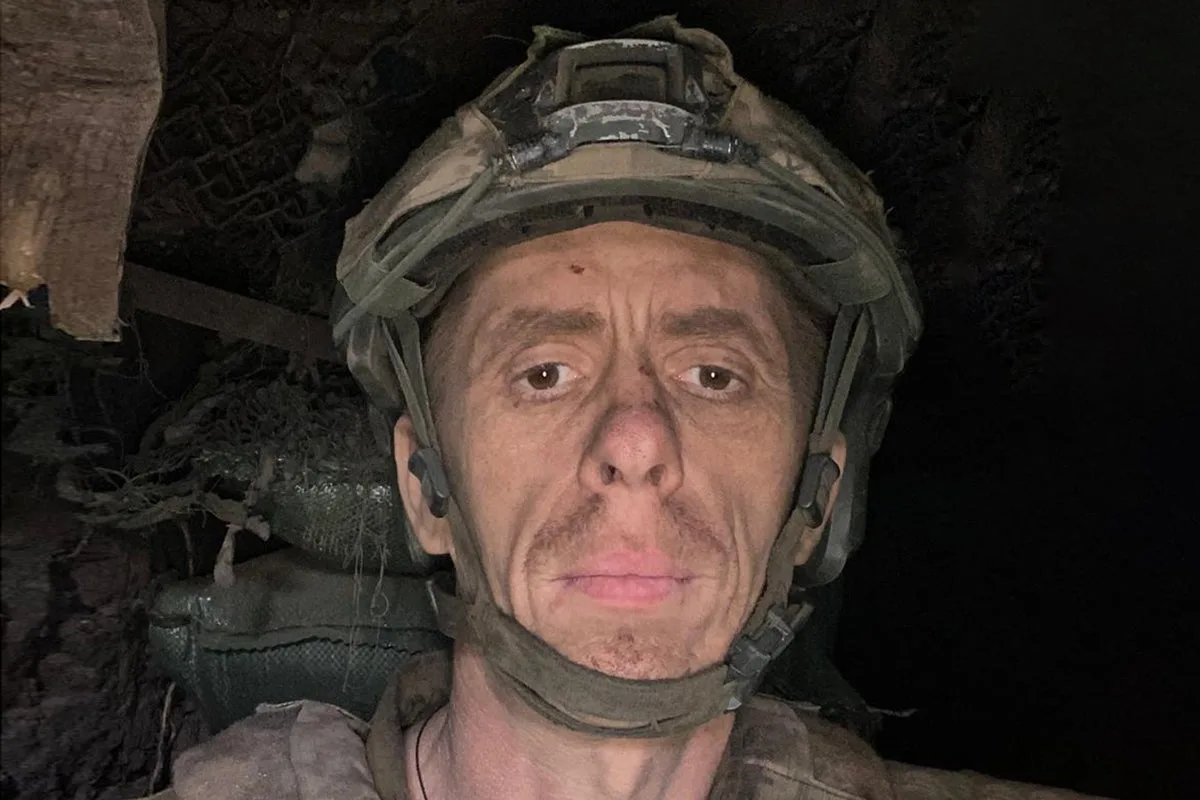
When Vadym Lietunov spotted a fortified position after his own had been blown up, he didn't realise it belonged to the enemy. The bombing began the morning after he arrived on the frontline, lasting six or seven hours each day. Russian forces hit the dugout where he sheltered with kamikaze drones and mortars. After every strike, Lietunov and another Ukrainian soldier, Sasha, repaired the damage, extinguishing fires with bottles of urine and shoving clay-filled sacks back into position.

In late February, Russian drone operators tried a new tactic, sending a Molniya drone carrying an anti-tank mine that exploded next to the entrance, leaving both soldiers concussed. Several similar attacks followed before Lietunov heard an ominous buzz. A mine fell on top of their foxhole, blowing off the roof. The blast tore off Sasha's legs, and he died. Lietunov scrambled to the surface and ran toward other Ukrainian soldiers, spotting a fortified position among the trees.

He entered the dugout and found a Russian soldier, Nikita, aiming an automatic rifle at him. Nikita ordered him into a tiny underground chamber, saying, "You are unarmed. I won't shoot you." He showed Lietunov a Christian cross he had made from two wooden planks inscribed with "save and protect." Nikita promised to let him go the next morning but didn't.

Wide Pickt banner — collaborative shopping lists app for Telegram, phone mockup with grocery list

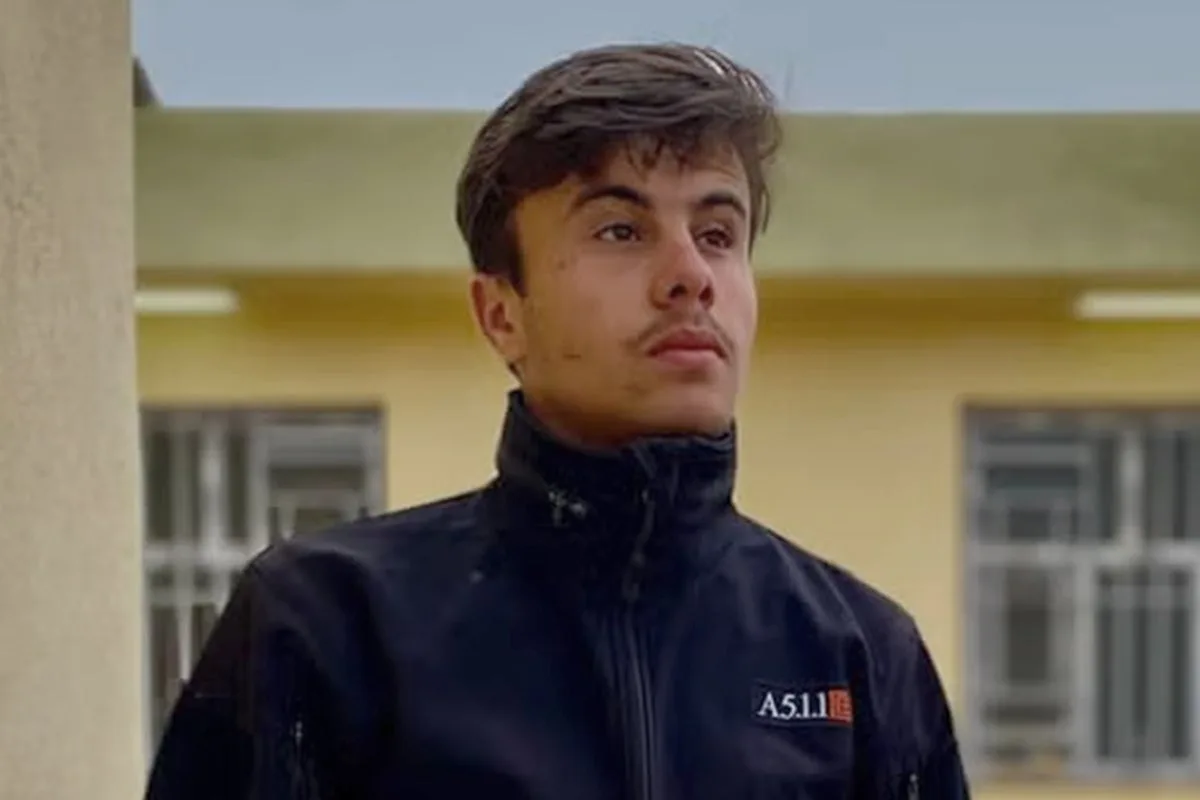
Lietunov, a 34-year-old corporal from Odesa, realised his only chance of survival was to manipulate his captor. As a teenager, he had read books on psychology. He discovered Nikita was a drug addict and petty criminal freed from jail to fight in Ukraine. Nikita had run away from battle, been captured, and sent back to the front. His commander, a Chechen, barked commands from a radio.

Nikita forced Lietunov to strip, searching for drugs, believing Kremlin propaganda that Ukrainian servicemen were "narco-maniacs" with secret GPS trackers. On the dugout walls were letters from Russian schoolchildren, all identical. Nikita insisted Russia's army was the best but was cold, hungry, and alone. Once a day, a Mavic drone dropped 250 grams of rations: porridge, jam, and a small bottle of water.

Nikita suffered extreme mood swings, often putting a gun to Lietunov's forehead and threatening to kill him. Lietunov prayed, and then Nikita would put the gun down. Lietunov played dumb, giving the impression he was stupid to gain trust. When his toe turned black with gangrene, he asked Nikita to shoot him outside so his body would be found. Nikita refused, afraid of the danger outside.

Meanwhile, Lietunov's brigade, the 118th, thought he was dead. His commander told his mother, Mariia, it was "95% certain" her son wouldn't return. She fainted. But his wife, Alesya, believed he was alive and continued sending messages via Telegram.

Inside the shelter, Nikita gave Lietunov one square of chocolate and a bottle cap of water daily. He complained about miserable conditions: lack of food, collecting rainwater, and drinking their own urine. One morning, Nikita said, "Maybe I should surrender to you?" Lietunov replied, "No need," but explained the terms: three meals a day, cigarettes, and the Geneva Convention. This conversation happened five times.

When they ran out of water, Nikita led Lietunov out in the fog. A Ukrainian drone buzzed above. Lietunov hung a sign with his call-sign, Cartman, and brigade number. He got on his knees, pointed to the sign, and called out. His brigade assumed both were Russians and sent a kill drone, which crashed. A second drone was cancelled only after the commander checked Lietunov's social media accounts and recognised the emaciated figure.

Half an hour later, another drone appeared. A radio fell from it. Lietunov told them about Nikita, hinting that his life depended on Nikita's mood. The drone dropped four boil-in-the-bag meals. Lietunov gave his share to Nikita, knowing he was kind when full. Further deliveries included "nasty" cigarettes. Meanwhile, a Russian drone delivered a booby-trapped bomb, a log with TNT, which Nikita was ordered to place in the forest.

One Friday, fog rolled in, and a Ukrainian armoured vehicle appeared. Both men jumped in the back, Lietunov still bootless. Nikita meekly surrendered and destroyed his phone. At the brigade's HQ, Lietunov's comrades hugged him, amazed at his return. He told his senior officer he had promised the Russian good treatment.

Pickt after-article banner — collaborative shopping lists app with family illustration

Lietunov said the Kremlin had brainwashed Russian soldiers, convincing them they were fighting "fascists" paid by the US and Europe. Nikita was given coffee with condensed milk and six spoonfuls of sugar. Two hours later, Ukraine's SBU security service took him away. He is likely to be swapped for Ukrainian prisoners of war. Typically, returning Russians are sent back to the frontline immediately.

Lietunov lost a toe and is now on crutches, receiving treatment at a rehabilitation centre after being reunited with his family in Odesa. He said, "It's a miracle. A one-in-a-million chance. I was a prisoner, but in the end, I came out with a prisoner, the other way round. It's rare."