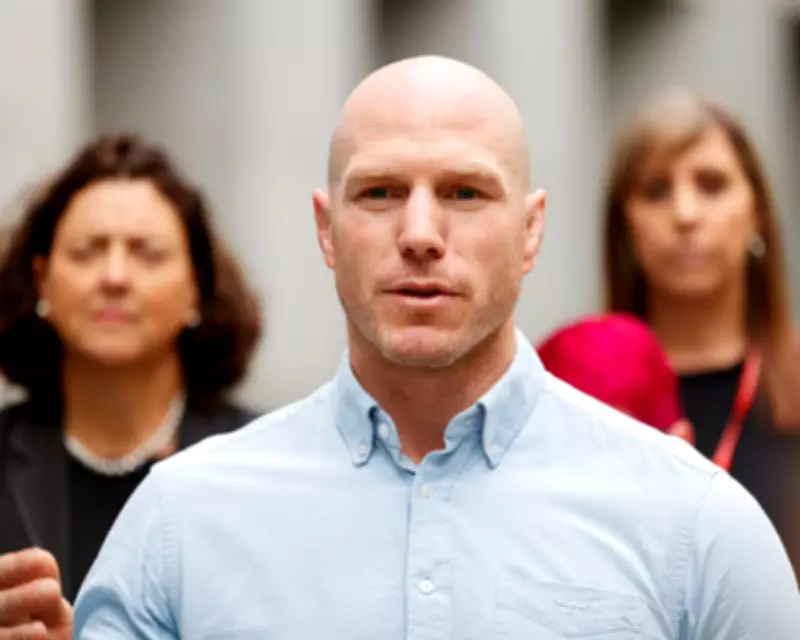
Independent ACT Senator David Pocock has voiced serious alarm after discovering that a report used to lobby for a $20 million gambling education funding request appears to be "slop written by AI." The evidence review, sent by the University of Sydney-based OurFutures Institute to at least ten politicians and officials, contains numerous references to non-existent studies and misrepresented findings.
Fabricated Evidence and Broken Links
The "Youth Gambling in Australia Evidence Review" was analyzed by Guardian Australia, revealing at least 21 references with broken links, citations to papers that do not exist, or mismatched hyperlinks. In multiple instances, statements in the review were not supported by the referenced sources. For example, the review claims a Productivity Commission inquiry found that every $1 invested in school-based prevention returns $8–10 through avoided costs. However, the actual report expresses reservations about such programs, noting they are often advocated by the gambling industry and may worsen outcomes.
Senator Pocock's Concerns
Senator Pocock confirmed receiving the review and has written to the OurFutures Institute demanding an explanation. "I am deeply concerned about this $20m request for public funding and the evidence review it is based on, which appears to just be slop written by AI," he stated. "From my preliminary assessment, the review is full of AI hallucinations, including references to studies that don't exist and statements presented as fact that are completely false or grossly exaggerated."
Pocock emphasized that the government should instead focus on banning gambling ads that influence children, criticizing the lack of action on a multipartisan-backed report on gambling reform submitted three years ago.
Institute's Response and Errors
Ken Wallace, chief executive of the OurFutures Institute, attributed the errors to an "editing tool" used to reorder references, calling it a "genuine error." He apologized and promised to share corrected versions with recipients, along with a line-by-line verification of all references. Wallace maintained that the claims and policy rationale behind the budget submission are "evidenced and sound," but did not explain how direct quotes and nonexistent papers appeared in the review.
Undisclosed Industry Ties
The budget submission highlights Prof Sally Gainsbury, a director at the University of Sydney's Brain and Mind Institute, as a leader in developing the gambling education program. However, it fails to disclose that Gainsbury receives direct and indirect funding from gambling industry entities, including Entain Australia, Sportsbet, Star Entertainment, and the European Lotteries Association. Wallace defended this omission, stating that the program involves no gambling-industry funding or influence.
Expert Reactions and Calls for Action
Prof Samantha Thomas of Deakin University, referenced in the review, confirmed that two papers listed under her name were not written by her and do not exist. "We owe it to the children of Australia to ensure that we are basing gambling policy decisions on the best available independent evidence," she said, advocating for a complete ban on gambling ads.
Dr Hannah Pitt, a public health researcher, echoed this sentiment, noting that young Australians and their parents want stricter regulations on gambling ads. "The evidence is clear that young people want greater regulations on this issue, and they have called for government action to do that," she emphasized.
The incident raises significant questions about the integrity of evidence-based lobbying and the risks of relying on AI-generated content in policymaking. As the OurFutures Institute works to correct its report, the controversy underscores the need for transparency and rigorous verification in public funding requests.