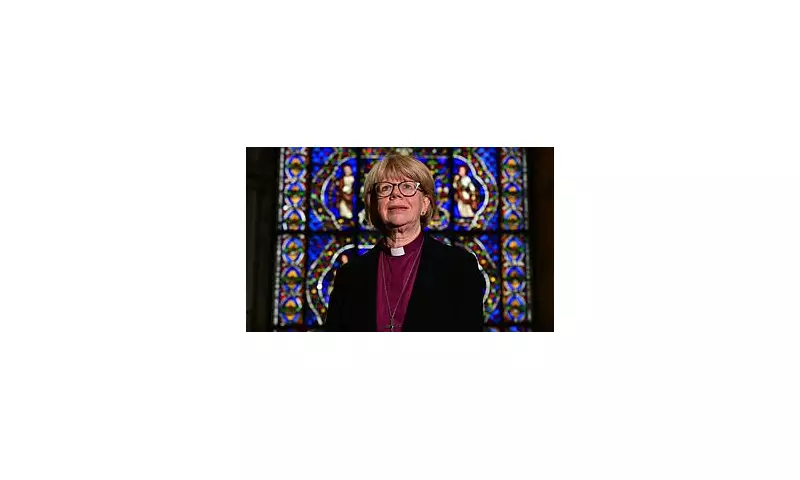
The incoming Archbishop of Canterbury has robustly defended the Church of England's controversial £100 million fund to address its historic links to the slave trade, telling MPs it is a 'gospel imperative' rooted in repentance and moral leadership.
A Heated Clash Over Funding Priorities
The plan, known as Project Spire, has sparked a significant backlash from a group of MPs and peers. In a letter to the Right Rev Dame Sarah Mullally, they labelled the initiative a 'legally dubious vanity project'. The critics argue the substantial sum should instead be spent on strengthening local parishes and supporting priests, claiming the fund diverts money from the Church's core purpose.
Dame Mullally, who is formally set to become the 106th and first female Archbishop of Canterbury in a ceremony at St Paul’s Cathedral on January 28, issued a firm rebuttal. She stated the Church's historic links to African chattel enslavement are a serious matter requiring a careful and respectful response.
The Fund's Purpose and Parish Support
The £100 million fund was established as an act of repentance for the Church's past investments in slave-trading companies. It will operate as an 'investment fund' providing seed capital for businesses and community projects run by or benefiting black communities. The initiative was endorsed by former Archbishop Justin Welby following a report that revealed a Queen Anne-era fund for poor clergy had invested in the slave trade.
Addressing concerns about parish funding, Dame Mullally and the Church Commissioners emphasised that support for local churches has increased dramatically. They stated that funds allocated to support local churches over three-year periods have risen from £790 million in 2019 to £1.6 billion today. A Church spokesman confirmed a record £1.6 billion is being distributed over the next three years for mission and ministry, prioritising clergy wellbeing and low-income communities.
Polling Reveals Congregation Concerns
Despite this assurance, a recent survey suggests the reparations plan faces resistance from churchgoers. A poll by Merlin Strategy of 500 churchgoing Anglicans found that 81% believe Church money should support local parishes, with only 19% backing reparations as a priority. Furthermore, 61% said they would redirect their donations to other charities if the Church Commissioners earmarked money for reparations.
The Church Commissioners, however, remain steadfast. They argue that acknowledging this past wrong is 'a prerequisite for responsible asset ownership' and essential for the Church's moral credibility. 'A church that ignores our links with a fundamental historic wrong cannot credibly claim moral leadership in the present or the future,' they wrote.
The Commissioners are pressing ahead with the plan to distribute the £100 million over nine years, framing it as a necessary step to support communities disadvantaged by the legacy of transatlantic slavery. The debate underscores a deep tension between addressing historical injustices and meeting the immediate, practical needs of the Church's present-day congregation.