Kemi Badenoch Endures Further Scrutiny at Prime Minister's Questions Over Iran Conflict
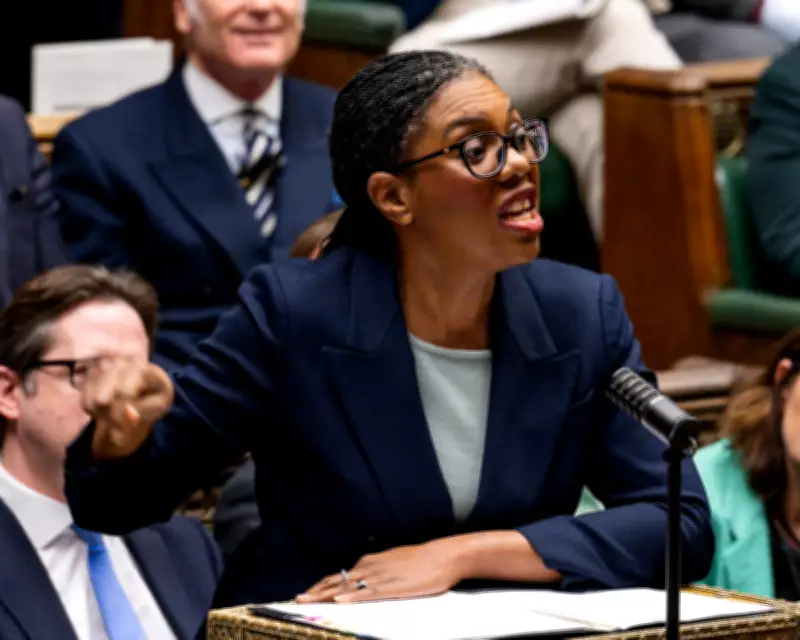
The Conservative leader, Kemi Badenoch, has come under fire for a second consecutive week during prime minister's questions, with opposition MPs targeting her remarks on the US-Israeli military actions against Iran. This ongoing criticism highlights growing tensions within Westminster over the UK's position in the conflict and Badenoch's evolving stance.
Badenoch's Shifting Position on UK Involvement in Iran Strikes
Initially, Badenoch expressed strong support for the US and Israeli attacks, stating she stood "with our allies in the US and Israel as they take on the threat of the Islamic Republic of Iran and its vile regime." She argued that Keir Starmer should have permitted the use of UK airbases for the pre-emptive strikes, which many legal experts suggested breached international law.
However, as public opinion in Britain showed steady opposition to the war and the US campaign appeared to lack clear objectives, Badenoch adjusted her position. She later denied advocating for direct UK participation, clarifying, "I said that we support their actions. I never said we should join." This shift prompted confusion among political analysts and MPs, with her spokesperson adding cryptically, "We are at war. The difference is, we're not joining the war. We're in the war."

Allies Defend Badenoch's Evolving Policy as Conflict Develops
According to Badenoch's allies, her stance has not constituted a U-turn but rather a natural evolution of policy as the conflict progresses. They explain that she never intended for the UK to engage in active strikes but instead called for military efforts to target missile sites threatening British interests in the Middle East, rather than merely intercepting attacks. One ally remarked, "That's not a U-turn, that's policy evolving as the conflict evolves," though Starmer and his team remain skeptical of this nuance.
Badenoch Distances Herself from Donald Trump's 'Childish' Insults
In a notable move, Badenoch publicly criticised Donald Trump's repeated personal attacks on Keir Starmer, labelling them as "childish." This comment, made in a BBC interview, reflects a strategic distancing from a president she once cited as a leadership model. Tory insiders suggest Badenoch found Trump's barrage of insults "unseemly" and "getting ridiculous," prompting her to speak out.
While her allies insist this change is driven by events rather than polling, it aligns with Trump's widespread unpopularity in the UK, where only 13% of Britons view him favourably. This distancing allows Badenoch to navigate the political landscape more effectively, as other UK politicians, like Work and Pensions Secretary Pat McFadden, also become more blunt in their assessments of Trump's "transactional" presidency.
Broader Implications for UK Diplomacy and Public Opinion
The situation underscores the challenges UK politicians face in balancing alliances with public sentiment. Trump's erratic behaviour, particularly regarding Iran, has made it easier for figures across the political spectrum to voice criticisms openly. As Badenoch and others recalibrate their positions, the episode highlights the fluid nature of international relations and the pressure to avoid isolation in global diplomacy.