Cabinet Minister Condemns MPs' Expenses Watchdog Over Spiraling Costs
Treasury chief secretary James Murray has launched a scathing attack on the Independent Parliamentary Standards Authority, accusing the parliamentary expenses watchdog of failing to control spending on politicians and their staff. The intervention comes as Ipsa demands an additional £13 million in funding for the current financial year, citing higher-than-expected budget utilization by Members of Parliament.
Soaring Expenses and Pay Rises
Concerns are mounting that parliamentary costs will escalate further in 2026-27, following Ipsa's decision to grant MPs an inflation-busting 5 percent pay increase. This rise significantly outpaces salary adjustments for NHS staff and other public sector workers, with MPs' salaries projected to reach £110,000 within three years. The watchdog's budgets are overseen by a special cross-party committee chaired by Speaker Lindsay Hoyle, unlike government departments that fall under Treasury control.
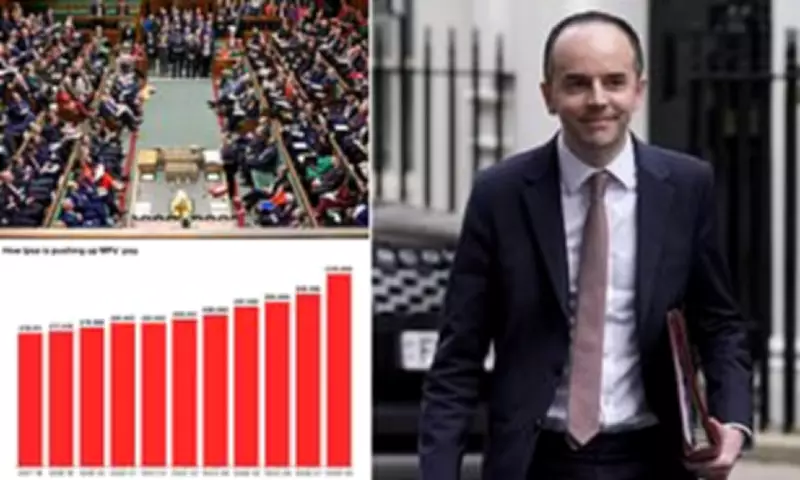
Full details of the 2026-27 financial package are scheduled for publication next week, pending formal approval by the House of Commons. However, Ipsa officials recently informed the committee that MP staff pay bands will increase by at least 5 percent following a benchmarking exercise. The staffing budget has surged from £103 million in 2019 to a proposed £184 million for the coming year, including £7.7 million allocated to address work backlogs.
Specific Spending Increases
Each MP's office will now have access to £4,000 specifically designated for health, wellbeing, and development initiatives. Ipsa is also considering additional enhancements, including potential funding for Greater London MPs to rent properties in Westminster despite living within commuting distance. The organization originally estimated total costs for MPs' pay, staffing, business expenses, and other expenditures at £268.5 million for 2025-26, compared to £259.7 million in 2024-25 excluding general election-related spending.
Last month, Ipsa requested an extra £12.7 million to cover current year expenses, attributing the need to several factors:
- A significant increase in constituency casework
- The ongoing situation in the Middle East
- Domestic policy changes including benefit reform and inheritance tax adjustments for farmers
The watchdog noted that newly-elected MPs have tended to appoint staff at higher pay points, consuming more of their allocated budgets. Security costs have also risen, with additional time required for careful procedures when organizing constituency surgeries and events. MPs are increasingly using taxis due to heightened security concerns.
Treasury's Strong Criticism
In a letter to the Speaker's Committee on Ipsa before it approved the supplementary estimate last month, James Murray emphasized that the Treasury had previously expressed concerns about budgets increasing by 8 percent from 2024-25. Referring to the challenging fiscal context, the minister stated that such funding requests would not receive approval within Whitehall.
"If Ipsa were a normal government department, HMT would reject their current reserve claim," Murray wrote. "The pressure arises from higher demand against existing policies and budget entitlements, rather than from a new or unavoidable policy decision or cost shock."
The Treasury chief secretary criticized Ipsa for not demonstrating evidence of attempting to absorb financial pressures through reprioritization, efficiencies, or tighter in-year controls. He argued that uncertainty about possible year-end spending should normally be managed within existing budgets rather than through additional funding.
"As with the Government, taxpayers would rightly expect Parliament to take all possible steps to predict and manage spending to ensure the best value from every pound spent," Murray asserted.
Looking ahead to 2026-27 and beyond, the minister insisted that Ipsa must drive efficiencies, strengthen forecasting and cost control, and manage future pressures within existing settlements rather than relying on further budget growth.
Committee Response and Existing Rules
Despite these criticisms, the Speaker's Committee approved the additional funding while acknowledging the Chief Secretary's position. The committee stated it had "noted" Murray's advice and agreed that Ipsa must continue to drive efficiencies and strengthen cost controls. However, they concluded that the supplementary estimates met the requirements of the Parliamentary Standards Act regarding efficient and cost-effective discharge of Ipsa's functions.
An Ipsa spokesperson defended the organization's approach: "Ipsa ensures MPs can fulfil their parliamentary duties by providing strict budgets for essential costs, such as running an office, staffing, and supporting work across Westminster and constituencies. This approach helps anyone become an MP, regardless of their personal finances."
Under current regulations, MPs residing in outer London are ineligible to claim up to £30,000 annually for renting flats or staying at hotels near the Commons. Instead, they receive a £6,570 London area living payment. However, a recent consultation proposed allowing them to choose between accommodation expenses and the living payment, with many reporting difficulties due to long hours in Westminster combined with extended off-peak journeys home.