Chancellor Rachel Reeves is preparing a significant financial rescue package for Britain's struggling pub sector, marking a major revision to budget plans announced just six weeks ago.
A Response to Industry Pressure
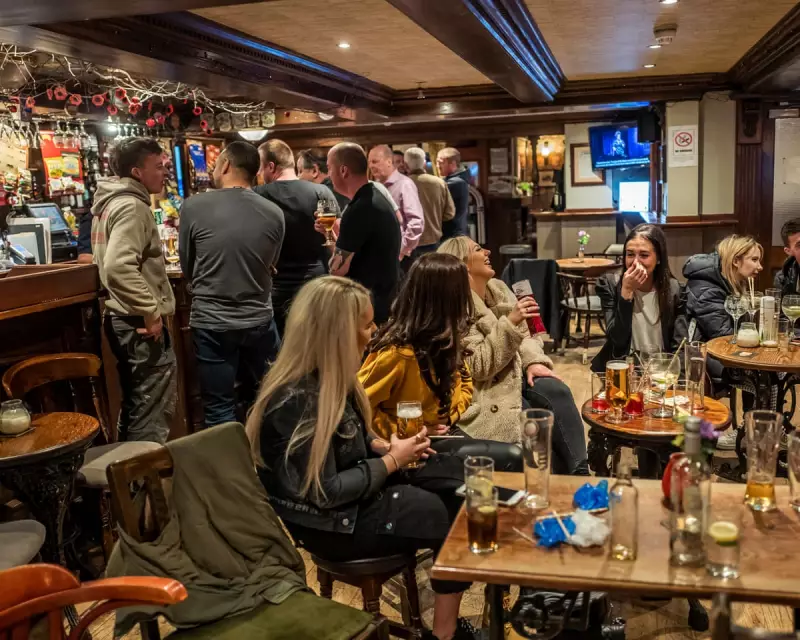
The move comes after weeks of intense protest from pub owners and trade bodies, who warned they faced being hammered by soaring business rate costs. In her November speech to the Commons, Reeves had promised permanently lower tax rates for retail, hospitality, and leisure properties, funded by higher rates on warehouses used by online giants.
However, the promised gains were more than wiped out for pubs by the reduction of Covid-era reliefs and the impact of a three-yearly revaluation due in April 2026. This revaluation has led to substantial increases in the rateable value of many pubs, creating a financial crisis for the industry.

Defining a 'U-turn'
While the exact details of the new support package are yet to be announced, government sources have confirmed its imminent arrival. The policy shift has been widely described as a U-turn, a term ministers are keen to avoid due to its pejorative connotations and the government's growing reputation for reversing headline policies.
Labour Party Chair Anna Turley argued the change was not a reversal but a sign of a listening government. "I don't buy this is a U-turn. This is actually about listening," she told Sky News, framing it as a confident response to public concern.
Political Repercussions and Context
The episode leaves Labour leader Keir Starmer vulnerable to accusations of weakness, as it follows several high-profile policy reversals on issues like winter fuel payments and disability benefits. Political analysts note that while all governments perform U-turns, frequent shifts can damage perceived strength and consistency.
The announcement is expected to avert a potential backbench Labour rebellion, highlighting the political sensitivity surrounding the future of Britain's pubs. The sector argued forcefully that without extra help, it could not survive the combined burden of lost relief and higher valuations.