Charities Issue Stark Warning Over New Regulator Powers
Several prominent civil society organisations have urgently called on the government to engage in consultation before implementing new powers for the Charity Commission. They argue that these measures, intended to tackle extremism, could inadvertently suppress legitimate advocacy and campaigning at a time when civic space is increasingly under pressure.
Letter to Culture Secretary Highlights Concerns
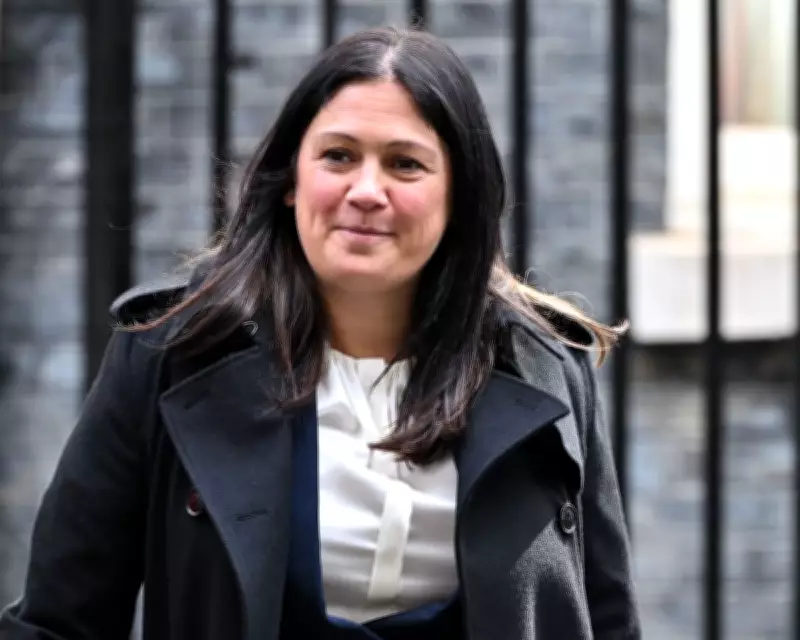
In a letter addressed to Culture Secretary Lisa Nandy, signatories from major bodies such as the National Council for Voluntary Organisations, the Muslim Charities Forum, Quakers in Britain, and Oxfam expressed deep concerns. They stated that the proposed social cohesion measures might lead to the suppression of lawful advocacy, campaigning and community engagement. The letter emphasises that without clear safeguards and well-defined thresholds, the expanded powers could be misapplied to mischaracterise legitimate civil society activities.
Risks to Diverse Communities and Sensitive Issues
The organisations caution that the proposal to broaden grounds for reporting extremism could disproportionately affect groups working on sensitive or contested issues. This includes environment, Muslim-led, and racial justice organisations, which already face heightened scrutiny and regulatory pressure. The letter warns that such measures could marginalise diverse voices and pose existential threats to these organisations, undermining community engagement and advocacy efforts.

Context of Rising Hate Crimes and Government Policy
This appeal comes against a backdrop of increasing race and religious hate crimes in the UK, alongside the government's recent adoption of a non-statutory definition of anti-Muslim hostility. In a policy paper titled Protecting What Matters, published last month, the government cited technological, demographic, and economic changes, as well as a rise in extremism and foreign influence, as factors straining social cohesion. The paper frames social cohesion as a key tool for national resilience in an uncertain world, proposing solutions like investing in local communities and tackling hate and discrimination.
Civil Society Voices Call for Transparency and Balance
Fadi Itani, Chief Executive of the Muslim Charities Forum, stressed the need for zero tolerance towards hate and unlawful conduct but warned that unclear or overly broad powers could deepen a chilling effect across civil society. He highlighted the risk of silencing legitimate advocacy when it is most needed. Similarly, Paul Parker, Recording Clerk at Quakers in Britain, urged the government to strike a balance between suppressing hatred and welcoming dissenting voices in public discourse, cautioning that the measure might impose further constraints on civil society's ability to speak out.
Demands for Consultation and Regulatory Independence
The letter calls for a transparent consultation process with the sector and emphasises the importance of maintaining the independence of regulators. It urges ministers to reconsider the proposed powers to ensure they do not inadvertently stifle advocacy and community engagement. The Department for Culture, Media and Sport has been approached for comment on these concerns, as civil society groups await a response to their plea for dialogue and safeguards.