DHS Funding Crisis Intensifies as Democrats Issue Reform Ultimatum
Washington finds itself in familiar territory as the Department of Homeland Security funding deadline approaches rapidly, with Democrats presenting Republicans with a comprehensive 10-point list of demands for reforming ICE and DHS operations. The political standoff has created significant uncertainty about whether a government shutdown can be avoided, with both parties positioning themselves for what could become a prolonged confrontation.
The Reform Demands and Political Calculus
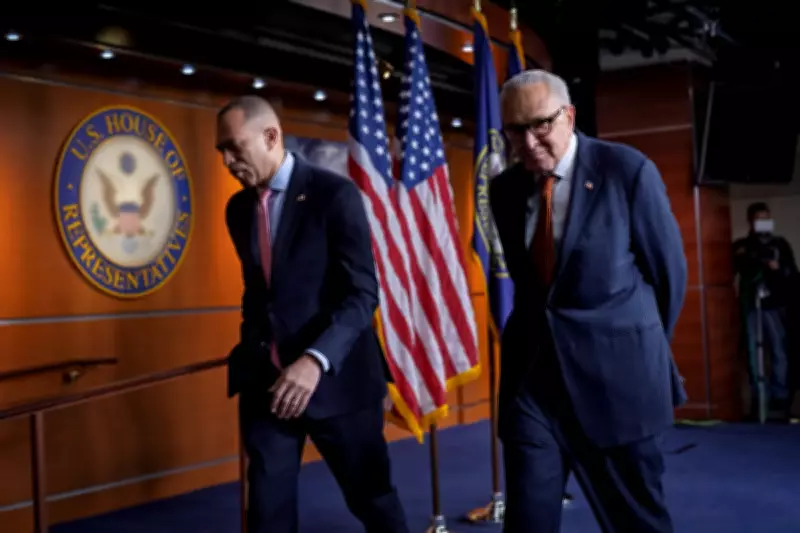
Led by Senate Minority Leader Chuck Schumer and House Minority Leader Hakeem Jeffries, Democrats have outlined specific requirements that include ending the use of masked agents during operations, limiting the scope of immigration raids, and mandating judicial warrants for searches. These demands come amid heightened scrutiny of ICE activities following two fatal shootings involving agency personnel in Minneapolis, where a substantial immigration enforcement surge is currently underway.
The political dynamics are further complicated by Donald Trump's mass deportation enforcement controversies, which some Republicans believe are damaging their party's standing ahead of upcoming midterm elections. This has created an unusual situation where certain Republican lawmakers have shown sympathy toward reforming immigration enforcement agencies, though the extent of their willingness to compromise remains uncertain.

Negotiation Status and Shutdown Possibilities
Senate Majority Leader John Thune indicated on Monday that progress was being made toward a potential agreement, though he acknowledged that another short-term continuing resolution might be necessary if a comprehensive deal cannot be reached. This sentiment was echoed by Senator Mike Rounds, who suggested that a temporary funding extension represented "the best we can expect" from Democratic negotiators at this stage.
However, significant divisions persist within Democratic ranks. Senator John Fetterman expressed uncertainty about his party's actual negotiating position, telling Fox News that he expected a shutdown to occur at week's end. This internal discord reflects broader tensions between House progressives, who oppose funding DHS without dramatic changes, and Senate Democrats who have shown willingness to compromise in previous funding battles.
Historical Context and Current Complications
The current impasse recalls last year's government shutdown, when Senate Democrats ultimately backed down from their demands, ending the longest shutdown in history without securing concessions on Obamacare subsidies. This history has created skepticism among progressive House members who worry that their Senate colleagues have already surrendered too much negotiating leverage in the current DHS funding battle.
Complicating matters further is the upcoming Munich Security Conference, which will draw several senators away from Washington just as the funding deadline approaches. Additionally, the White House's diminished role in negotiations has created uncertainty about presidential support for any eventual agreement, particularly given that some Republican senators have expressed concerns about the scope of current ICE operations.
Conflicting Accounts and Future Prospects
The negotiation process has been marked by contradictory statements from party leaders. While Thune claimed Democrats were "not engaging" in substantive talks, Jeffries insisted the opposite was true, asserting that Republicans had failed to respond to Democratic proposals. Jeffries emphasized that House Democrats would not accept anything less than full implementation of their 10 reform points, warning that failure to agree would mean Republicans were "making the explicit decision to shut down the Coast Guard, shut down FEMA and shut down TSA."
As the deadline draws nearer, the fundamental question remains whether Democrats will maintain their united front on all reform demands or accept partial concessions to keep DHS operational. With Republicans yet to present a comprehensive counter-proposal and internal divisions apparent on both sides of the aisle, the path forward remains uncertain, leaving government agencies and the public awaiting clarity on whether essential services will continue uninterrupted or face disruption.