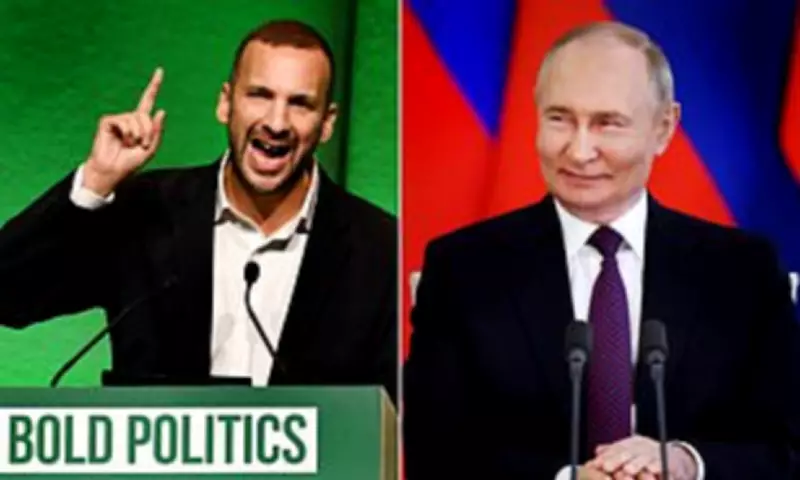
Greens Face National Security Accusations Over NATO Exit Motion Debate
The Green Party has been accused of jeopardising national security following revelations that members have proposed a motion advocating for the United Kingdom to withdraw from the North Atlantic Treaty Organisation (NATO). The motion, which criticises the defensive alliance for allegedly driving arms races, is set to be considered at the party's spring conference next month, sparking fierce criticism from political opponents and raising serious questions about the party's position on international conflicts.
Labour Condemns Debate as 'Deeply Irresponsible'
Labour has led the charge against the Green Party's actions, branding any suggestion of leaving NATO during a period of significant global instability as profoundly irresponsible. A Labour spokesman emphasised that such a move would directly endanger national security. The criticism extends beyond the motion itself to include concerns about the content permitted on official Green Party membership forums, where numerous comments expressing anti-NATO and pro-Russian sentiments have been allowed.
The Labour spokesman stated: 'It would put our national security at risk. The fact the Greens are debating this, while allowing their members to spew pro-Putin propaganda on party forums, shows they would be a danger to national security. It is disgraceful the Green Party are allowing these comments on official forums. They should now make clear this dangerous rhetoric is not welcome in their party.'

Motion Details and Party Process
At the Green Party conference scheduled for March 28, one of the motions submitted and approved by the Standing Orders Committee, though not yet selected for debate, is titled 'Leave NATO for Common Security.' This motion argues that NATO fosters arms races and international strategic tension, while also claiming that increased defence spending would exacerbate fossil carbon usage. The Greens operate a policy-making system where members debate motions to determine official stances, making it likely that the subject of NATO withdrawal will be discussed given the number of submitted options criticising the alliance.
Forum Comments and Internal Sentiment
On the party's membership forum, many members have left supportive comments for the motion, with some asserting that NATO has consistently worked to prevent peace in Ukraine and actively sought to prolong the conflict. Several members argued that leaving NATO would result in fewer Ukrainian and Russian deaths, with some even suggesting that Russia's illegal invasion of Ukraine in 2022 was provoked. Comments included denunciations of continued support for a war of attrition that Ukraine cannot win, criticism of Western governments for failing to address Russian security concerns, and claims that NATO is steering the world toward ecological disaster.
Additionally, recent meetings of official party sub-groups, such as Greens Against NATO and Global Majority Greens, featured a guest speaker who advocated for mending ties with Russia, stating that Europe's future depends on it. This internal sentiment aligns with recent criticism from Green Party leader Zack Polanski, who has declared that 'the age of NATO is now fully over,' further intensifying scrutiny of the party's defence policies.
Green Party Response and Global Context
A Green Party spokesman responded to the accusations by explaining that party policies are determined through a democratic process where members submit motions to conference. Each motion enters a prioritisation ballot to decide which will be voted on, and this process has not yet been completed. The revelations emerge as world leaders gather at the Munich Security Conference to discuss critical global threats, highlighting the timing and significance of the debate within the Green Party. The situation raises profound questions about the party's stance on Vladimir Putin and Russia's ongoing war with Ukraine, casting a shadow over its commitment to national and international security.