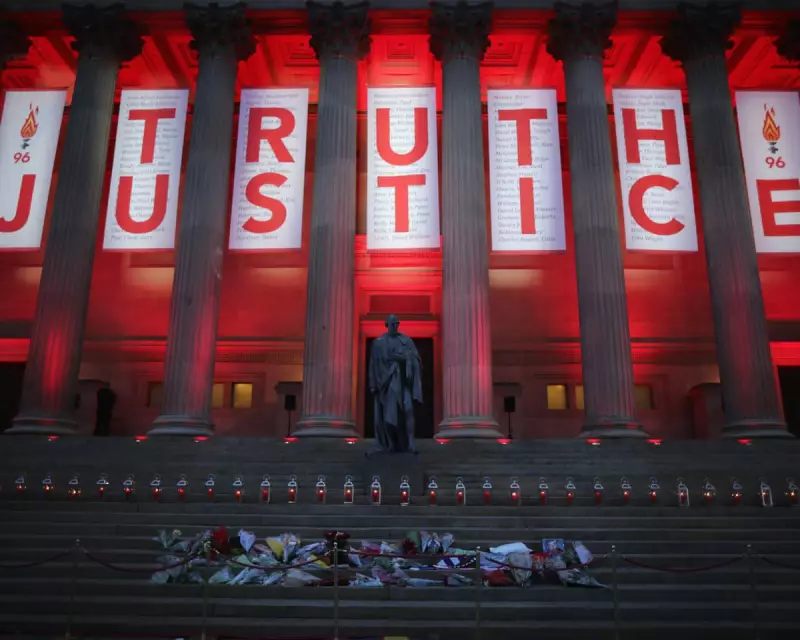
The government has performed a U-turn, withdrawing a contentious amendment to its proposed Hillsborough law after facing significant criticism from campaigners and cross-party MPs who argued it would weaken the legislation.
Amendment Criticised as an 'Opt-Out'
The proposed Public Office (Accountability) Bill, often referred to as the Hillsborough law, is designed to impose a legal 'duty of candour' on public officials and contractors, compelling them to tell the truth in the aftermath of major disasters.
However, an amendment tabled by the government on Wednesday sparked immediate backlash. It sought to bring members of the intelligence and security services within the scope of the law, but with a crucial caveat: disclosure would be subject to approval by the head of their service.

Campaigners for bereaved families, including those affected by the Hillsborough disaster, argued this provision created a dangerous loophole. They said it effectively allowed senior officials within the security services to act as gatekeepers, deciding unilaterally whether to disclose information, which would water down the core principle of the legislation.
Government Backs Down and Seeks Compromise
Facing pressure, the government has now decided not to proceed with moving its amendment on Monday. Instead, it is understood that ministers will pause and work collaboratively with campaigners and representatives of the bereaved to develop alternative proposals.
The intention is to bring forward revised amendments at a later stage, likely when the bill progresses to the House of Lords. This represents a significant climbdown and a victory for persistent campaigners who have long fought for robust, uncompromising legal accountability.
A Long Road to Accountability
The push for a Hillsborough law stems from the decades-long struggle for justice following the 1989 disaster at Sheffield Wednesday's football ground, where 97 Liverpool fans lost their lives. Campaigners have argued that a culture of secrecy and defensiveness within public bodies hampered investigations and prolonged the families' anguish.
The proposed law aims to prevent such obfuscation in future public inquiries and investigations into tragedies. The recent controversy over the spy agency amendment highlights the delicate balance between national security concerns and the paramount need for transparency and accountability to victims' families.
The government's withdrawal indicates that the pressure from Hillsborough families, supported by MPs across the political spectrum, remains a powerful force in shaping this landmark piece of legislation.