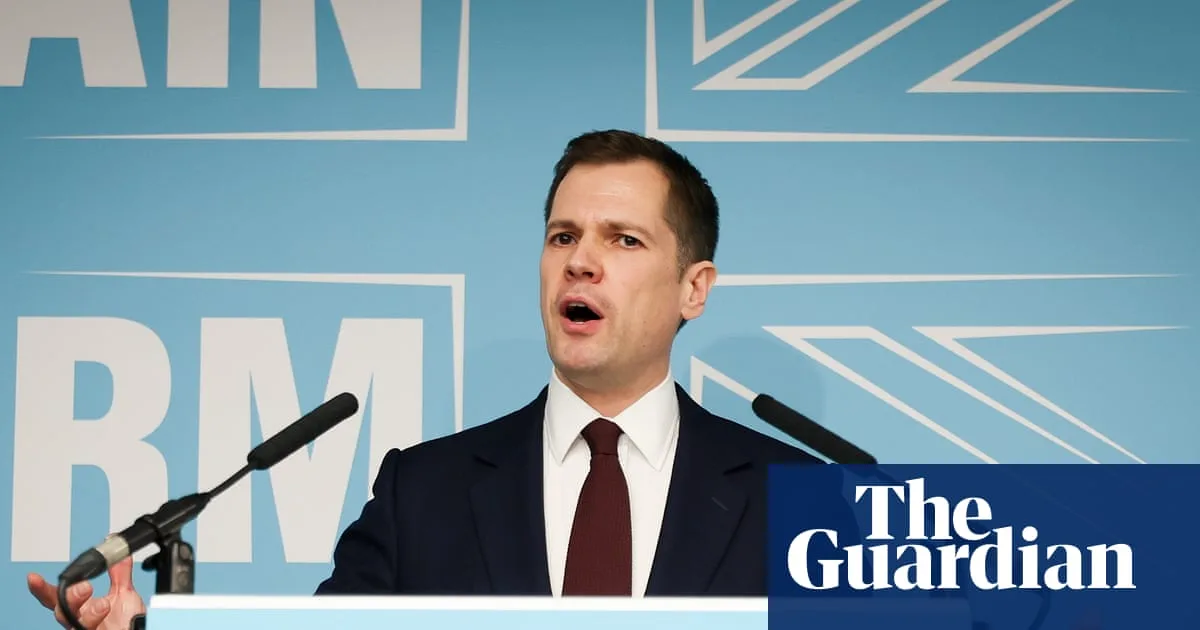
Robert Jenrick has defected to Nigel Farage's Reform UK, branding the Conservatives a 'failed' and 'rotten' party after being sacked by Tory leader Kemi Badenoch. The former shadow justice secretary, who stood against Badenoch for the party leadership, made the dramatic switch on Thursday, deepening the schism on the British right.
Jenrick appeared alongside Farage at a hastily arranged press conference in Westminster, where he launched a scathing attack on his former colleagues. 'Both Labour and the Conservatives broke Britain,' he said. 'The Conservative party in Westminster isn't sorry, it doesn't get it, it hasn't changed, it won't change, it can't change.'
Badenoch removed the whip and suspended Jenrick's party membership earlier in the day, citing 'irrefutable evidence' of his planned defection. Jenrick admitted he had resolved to leave the party by Thursday morning, though he said he had not intended to defect that day. Farage called the sacking 'the latest Christmas present I've ever had'.

Jenrick singled out shadow chancellor Mel Stride and shadow foreign secretary Priti Patel for criticism, accusing them of overseeing failures in welfare and migration policy. He confirmed that discussions with Reform began in September, facilitated by former Tory adviser Tim Montgomerie, but insisted no role was offered. He will not call a by-election in his Newark constituency.
Farage said that after the 7 May local elections, Reform would reject further Tory defectors, and that Jenrick was 'in sackcloth and ashes' about his past decisions. Jenrick is expected to take on an economic role, though this could cause tensions with deputy leader Richard Tice and policy head Zia Yusuf.