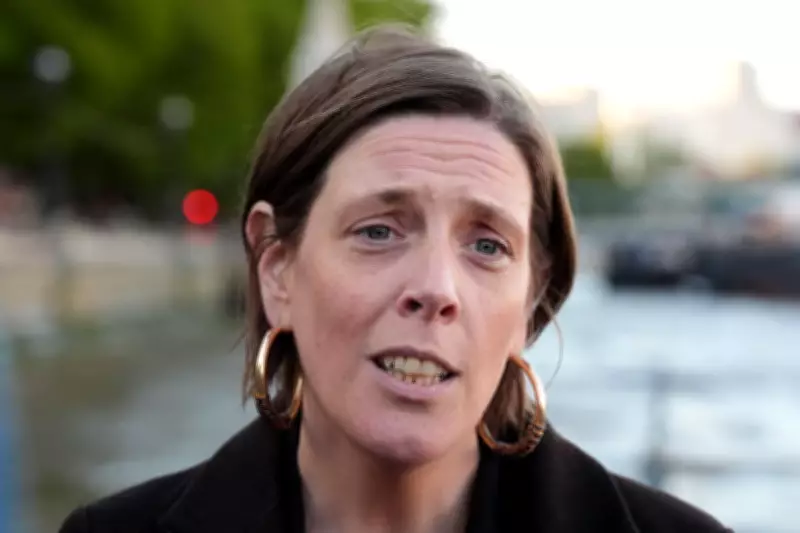
Safeguarding Minister Jess Phillips has declared that individuals who endured sexual violence during the Northern Ireland Troubles "absolutely deserve to have that story told and writ large." The minister for safeguarding and violence against women and girls made these powerful remarks during an appearance before the Northern Ireland Affairs Committee on Wednesday.
Addressing Historical Atrocities
During the parliamentary session, South Antrim MP Robin Swann questioned whether the use of coercive control, sexual control, and rape "as a weapon" during the Troubles should be formally included in the Northern Ireland Troubles Bill. Ms Phillips responded unequivocally, stating, "Of course, I think that anyone who suffered sexual violence because of conflict should be taken into account."
However, the Birmingham Yardley MP cautioned that such cases are neither simple nor linear. She emphasized her determination to avoid creating systems that "retraumatise people for no end," drawing from her extensive experience with vulnerable individuals.
Northern Ireland's Femicide Epidemic
Ms Phillips described violence against women and girls in Northern Ireland as both a "national emergency" and an "epidemic." She revealed alarming statistics, noting that femicide rates in the region exceed "not just other parts of the United Kingdom but quite a lot of the world."
The minister highlighted the particular influence of paramilitarism on women's lives in Northern Ireland, noting this issue has been raised with her "on a number of occasions." She observed that when women become part of a cause, "it's very, very easy for the cause to matter more than anything else," a pattern she has witnessed across various manifestations of conflict.
Parallels with Honour-Based Violence
Drawing from her constituency work with forced marriage and honour-based violence cases, Ms Phillips identified striking parallels with the Northern Ireland situation. She explained that when speaking to women in Northern Ireland, "I could have been talking to some of the women I've worked with who had been forced married, or victims of honour crime."
The minister elaborated that "honour-based abuse does definitely translate over to the situation in Northern Ireland, undoubtedly, because the issue about not speaking up because of political allegiances is about honour." She noted "so many echoes of the same sort of levers that are used over women" across different cultural contexts.
Government Strategies and Police Work
Discussing governmental approaches to tackling violence against women across the UK, Ms Phillips praised the Northern Ireland Executive for developing policies that are "incredibly victim-centric." She expressed particular admiration for the Police Service of Northern Ireland's (PSNI) targeted operations addressing sexual offending online, describing herself as "very impressed" with their specific initiatives.
The minister revealed she has met PSNI Chief Constable Jon Boutcher multiple times, describing him as "a decent man who cares about the right things."
Positive Male Role Models
During the committee session, DUP leader Gavin Robinson emphasized the importance of positive male role models, highlighting Larne Football Club's promotion of the White Ribbon campaign against violence toward women. He contrasted these efforts with the "TikToky-type idiot" featured in the recent documentary Louis Theroux: Inside The Manosphere, dismissing the men in the programme as "balloons."
Ms Phillips agreed that positive role models are "very, very important and a huge part of the Government's strategy, especially when you're talking about post-16" education. She identified sport as a "really, really, really important element" in promoting healthy attitudes.
Encouraging Female Participation in Sport
After learning about Ulster Rugby's initiatives to encourage girls' participation through measures like extra changing rooms, the minister expressed her intention to "try and visit them." She humorously noted she would "start supporting" rugby teams in Northern Ireland since she has "no allegiance elsewhere in this sporting game."
The committee session underscored the ongoing challenges facing victims of historical sexual violence while highlighting contemporary efforts to address gender-based violence in Northern Ireland through comprehensive policy approaches and community engagement.