Speaker Johnson's Hesitant Endorsement of DHS Secretary Amid Mounting Pressure
House Speaker Mike Johnson faced intense questioning on Sunday regarding his stance on Department of Homeland Security Secretary Kristi Noem's leadership, following two fatal shootings during immigration enforcement operations in Minneapolis that have sparked national outrage and internal Republican dissent.
Minneapolis Crisis Forces Administration Reckoning
The political firestorm centres on Minneapolis, where tensions have escalated dramatically over the past two months after two protesters were killed during confrontations with federal agents. Renee Good was shot inside her vehicle during a roadside altercation, while Alex Pretti sustained multiple gunshot wounds after being pepper-sprayed and restrained on the ground. The Department of Justice has initiated a federal civil rights investigation into Pretti's death, adding legal scrutiny to the political pressure.
These incidents have exposed deep fractures within the Trump administration's immigration enforcement strategy, which has deployed substantial ICE resources to Minneapolis for raids targeting local businesses and residential properties. The recent removal of Border Patrol commander Greg Bovino from his Minneapolis post signals White House recognition of diminishing Republican support for the president's mass deportation agenda on Capitol Hill.

Johnson's Qualified Confidence in Noem
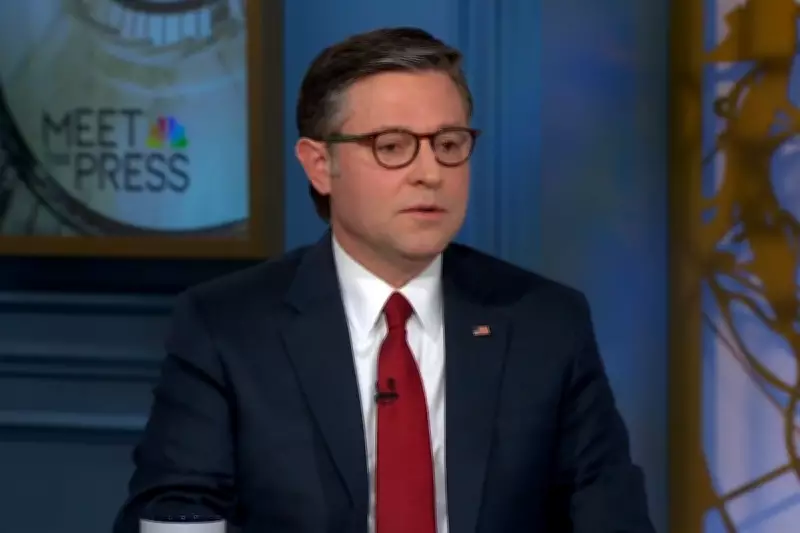
When pressed during a televised interview about whether he maintained "full confidence" in Secretary Noem, Speaker Johnson offered a notably qualified endorsement. "I do have confidence in Kristi Noem," he stated, after initially avoiding direct questions about whether DHS required new leadership. However, he immediately contextualised this support by acknowledging the immense challenges of her position.
"She's taken over a crushing assignment. I mean, anyone who's in that position would have a difficult time with it," Johnson remarked, suggesting Noem was struggling with her responsibilities. He further indicated expectations for operational changes, stating he anticipated Noem would implement a "recalibration in some measure" of enforcement tactics.
Republican Divisions and Democratic Demands
The speaker's cautious backing comes as Republican unity shows significant strain. Senators Lisa Murkowski and Thom Tillis have publicly called for Noem's resignation, while within Johnson's own House caucus, moderates express anxiety about their political futures amid controversial enforcement actions. Representative Elise Stefanik, a member of GOP leadership, has openly criticised the speaker's handling of the situation.
Democrats, led by Minority Leader Hakeem Jeffries, are advocating for Noem's removal through impeachment proceedings, though they lack sufficient votes without Republican support. The political standoff has paralysed legislative business, including negotiations to end a partial government shutdown triggered by disputes over DHS funding and Democratic demands for stricter oversight of ICE and Border Patrol operations.
Noem's Diminishing Role and Administration Strategy
Evidence suggests Noem's influence within the administration is waning significantly. She was conspicuously absent from speaking opportunities during this week's televised Cabinet meeting, while the White House has assigned "border czar" Tom Homan to oversee Minneapolis operations directly. According to sources close to the president, Noem retains her position partly due to Trump's "no scalps" policy during his second term—a strategic effort to avoid perceived victories by media critics that characterised his first administration.
As the House prepares to vote on measures addressing the government shutdown and enforcement practices, Johnson navigates an increasingly precarious position with a narrowed majority and competing pressures from his party's factions. The Minneapolis crisis has thus become a focal point for broader debates about immigration enforcement, accountability, and the stability of Trump administration leadership during a contentious election cycle.