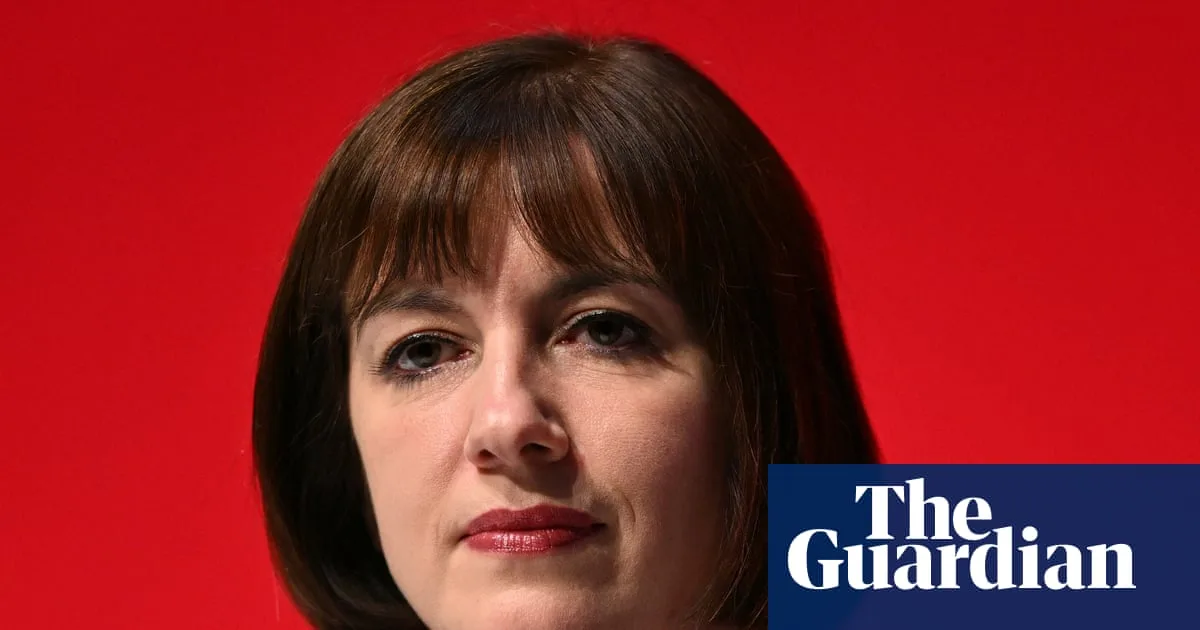
Education Secretary Bridget Phillipson is urging Prime Minister Keir Starmer and Chancellor Rachel Reeves to abolish the two-child benefit cap entirely in next month's budget, arguing that the evidence clearly shows it must be removed. In an interview with the Guardian, Phillipson said scrapping the limit is the most cost-effective way to tackle child poverty.
Phillipson is finalising a report on child poverty for Starmer and Reeves. Her intervention follows reports that Reeves is considering a tapered system, such as raising the cap to three or four children, rather than full abolition. However, officials suggest the chancellor will find it difficult to ignore the findings of the child poverty taskforce, which Phillipson co-chairs.
Speaking on the Guardian's Politics Weekly podcast, Phillipson said: "Every year that passes, because of the two-child limit, more children move into poverty and the evidence is there for all to see." She is also running for deputy leader of the Labour Party, seeking a mandate from members to push for more action on child poverty.

The two-child benefit cap, introduced by the Conservatives in 2017, now affects over 10% of UK children. The Child Poverty Action Group estimates scrapping it would lift 350,000 children out of poverty, at a cost of £3.6bn per year. Phillipson acknowledged the significant price tag but insisted cost should not be the primary consideration.
Phillipson is competing against former cabinet colleague Lucy Powell for the deputy leadership. She criticised some of Powell's supporters, including Momentum, accusing them of trying to destabilise the Labour party. On Nigel Farage, Phillipson said the best way to counter him is to improve public services rather than engage in personal attacks.