Members of the House of Lords have issued a stark warning that proposed changes to council rules could leave voters in the dark, as peers from across the political spectrum voice strong opposition. The controversy centres on plans to end the long-standing requirement for local authorities to publicise changes to their structure in local newspapers.
Cross-Party Concerns Over Transparency
Labour, Liberal Democrat, and Conservative peers have united in calling for a rethink of the planned alteration to how local authority restructuring is communicated to the public. Currently, councils must place public notices in local newspapers to inform residents of significant changes. The House of Lords heard that scrapping this requirement could lead to decisions being made without proper public scrutiny.
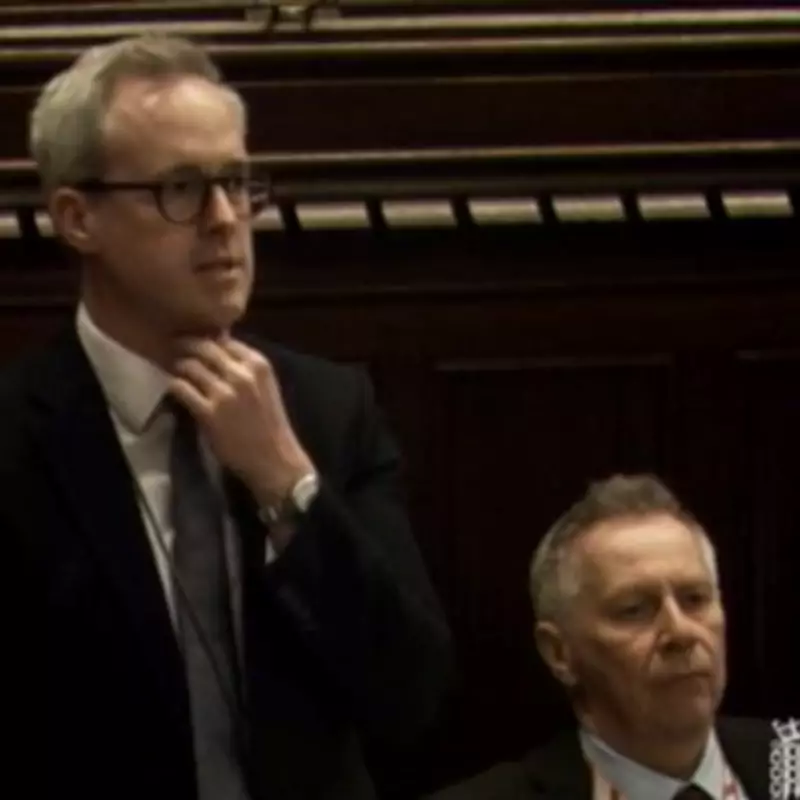
Lord Parkinson's Strong Defence of Local Press
Former Tory whip Lord Parkinson emphasised the critical role of local newspapers, stating they reach approximately 42 million people across the country. He argued that for many residents, these publications are not merely a preferred medium but their primary and most trusted source of local news and democratic information.

"In many cases, were it not for these local newspapers, the information would simply not be accessible," Lord Parkinson warned. "For the Government to cut people off from this information, particularly at a time when they seek to reorganise local government in so many swathes of our country, would leave many local residents in the dark."
Labour Peer Echoes Alarm
Labour peer Lord Bassam expressed similar concerns, noting it would be regrettable if local authorities were no longer obliged to publish notices in the traditional manner. He urged the government to consider practical measures to stimulate local news services rather than diminish their role in democratic processes.
The Legislative Context
The proposed change forms part of the English Devolution and Community Empowerment Bill, which would remove the requirement for councils to publish such notices in local newspapers. Lord Parkinson has responded by putting forward a cross-party amendment calling for the retention of newspaper notices.
Industry and Legal Perspectives
Lord Black, who chairs the News Media Association, warned that giving local authorities discretion to publicise important issues as they see fit could enable them to keep decisions secret from large segments of the public who still rely on printed local media. He highlighted that local newspapers are essential for over a million people with limited internet access.
Supporting this view, Lord Faulks pointed out that many older individuals, who may be less digitally proficient, continue to value and depend on local newspapers for important community information.
Broader Implications for Democratic Engagement
The debate raises significant questions about how democratic processes should adapt to changing media landscapes while ensuring all citizens remain informed. Peers argue that councils should be doing everything possible to highlight changes to governance structures, particularly during periods of widespread local government reorganisation.
The government now faces pressure to reconsider its position, with peers urging ministers to offer reassurance and explore ways to strengthen rather than undermine local news services as vital components of community information networks.