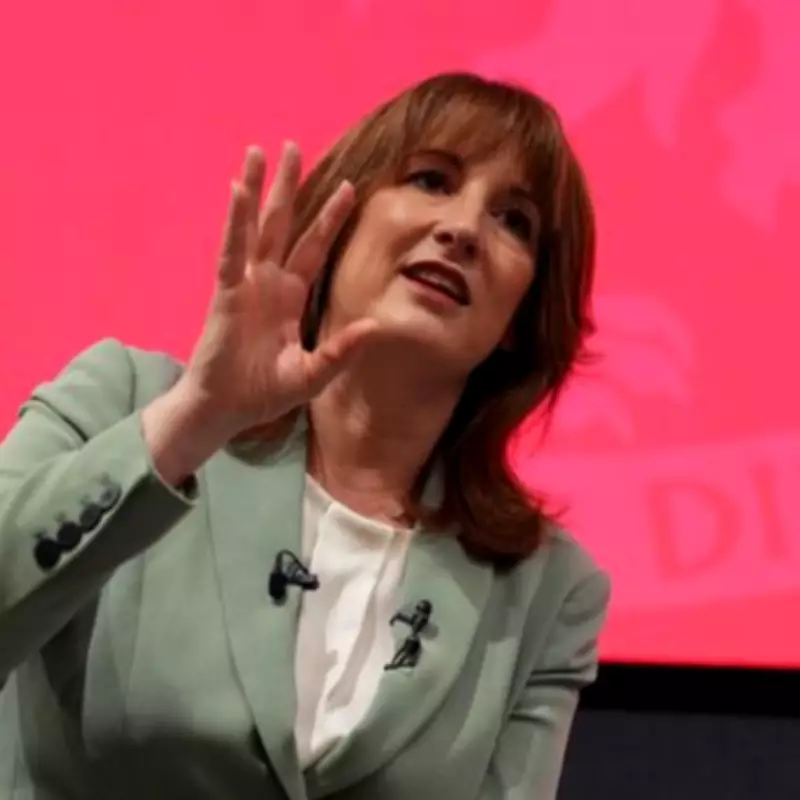
Chancellor Rachel Reeves has outlined ambitious plans to grant regional mayors a significant boost by allowing them control over a portion of nationally collected taxes. In a major speech delivered at Bayes Business School in London, she revealed a "road map for future fiscal devolution" set to be published at the autumn Budget.
Tax Devolution Details
Reeves emphasised that this initiative would not increase the overall tax burden on citizens. Instead, it would involve sharing existing tax revenues with regional leaders, moving away from the traditional model where the Exchequer retains full control. She stated, "I have asked my officials to work with mayors and businesses to develop a road map for future fiscal devolution to be published at this year’s budget. This will set out plans to give regional leaders control of a share of some national taxes which have, for too long, been allocated by central government."
The reforms will initially target regions with the greatest capacity to implement them and the highest potential for benefit. Income tax is among the taxes being considered, with Reeves assuring that the changes will be fiscally neutral. This means regional leaders could spend a proportion of the income tax generated within their areas, fostering local investment and growth.
Broader Economic Initiatives
Alongside the tax devolution plans, Reeves announced the creation of "city investment funds" backed by £2.3 billion in funding. These funds will focus on northern England and the West Midlands, aiming to stimulate economic development in these key regions.
Additionally, the government will consult on establishing a development corporation for Greater Oxford, mirroring a similar initiative launched for Cambridge earlier this year. Reeves doubled the funding commitment from an initial £400 million for Cambridge to £800 million for both Cambridge and Oxford. This increased funding is intended to support growth through upfront land acquisition and infrastructure projects.
Closer Ties with the EU
In her speech, Reeves also signalled a shift towards closer relations with the European Union. She warned that the UK risks being "stranded" between rival trading blocs unless it seeks a more aligned relationship with Brussels. While acknowledging that the UK will diverge from EU regulations in some areas, she stressed that such divergence would be "the exception, not the norm."
Reeves highlighted the advantages of closer alignment, claiming it could help reduce prices and curb inflation. She pointed to the "deep damage" caused by Brexit, noting that it has impacted gross domestic product (GDP) by up to 8% and contributed to higher costs for both businesses and consumers. "Our fate as a country is inescapably bound with that of Europe," she added, underscoring the importance of strategic partnerships in a changing global landscape.
This comprehensive approach marks what Reeves described as a "genuine break" with past policies and a "generational opportunity for Britain’s regions to make their own future." By empowering local leaders and fostering international cooperation, the government aims to drive sustainable economic growth across the nation.