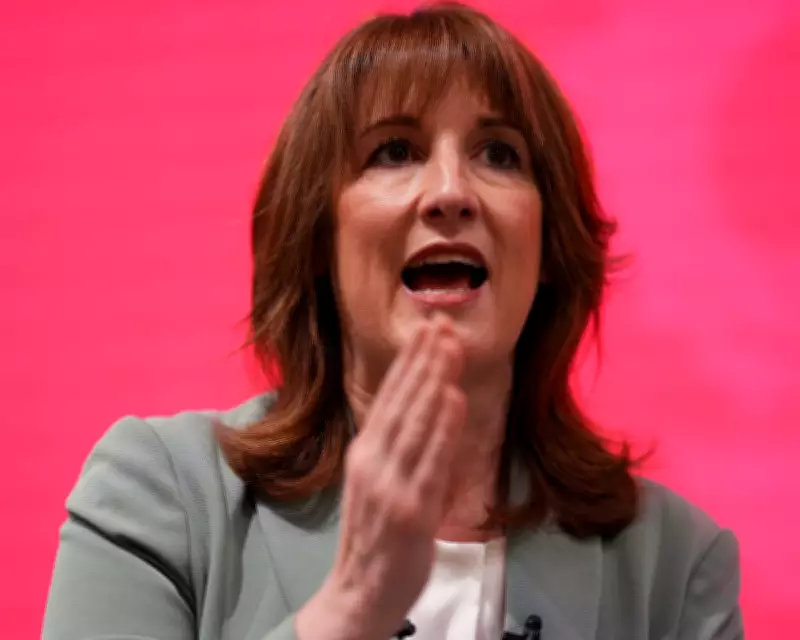
Chancellor Rachel Reeves Questions US Motives in Iran War at IMF Meeting
Chancellor Rachel Reeves has openly questioned the rationale behind the United States' decision to go to war with Iran during a speech to an American audience. Speaking at a CNBC event in Washington, where she is attending an International Monetary Fund (IMF) meeting, Reeves expressed confusion over the conflict's objectives and highlighted its detrimental effects on global stability.
Reeves Criticises Lack of Clarity in US Strategy
Rachel Reeves stated that she is "not convinced that this conflict has made the world a safer place" and suggested that former President Donald Trump may have ended up in a worse position than before the war began. She emphasised that diplomatic negotiations were already underway prior to the conflict, making the current pursuit of such talks seem redundant.
"We've never been clear about what the goals of this conflict are," Reeves said, pointing to the immense impacts on economies worldwide, including the UK, US, and key allies in the Gulf such as Saudi Arabia, Qatar, and the UAE.

Economic Consequences and Energy Market Disruptions
Reeves underscored the importance of reopening the Strait of Hormuz to reduce energy prices, but noted that it was already open at the start of the conflict. "There was no tolling a few weeks ago," she remarked, questioning the necessity of the military action. She warned that significant long-term damage has been inflicted on oil and gas facilities in the Middle East, which will persist even if the conflict ends abruptly.
The chancellor linked these disruptions to broader economic challenges, referencing yesterday's IMF downgrade of growth forecasts, particularly for the UK. However, she expressed confidence in the UK's resilience, stating, "We beat the forecasts for the UK economy last year. I'm confident that we will beat them again."
Call for De-escalation and Diplomatic Resumption
Reeves argued that de-escalation is vital for the global economy. "The sooner it can de-escalate, and that we get back to the diplomatic negotiations, which were happening before the conflict began, the better for the global economy," she asserted. She highlighted that higher inflation and increased oil and gas prices in the US and elsewhere are the last thing the world needs amid current economic pressures.
In her address, Reeves reiterated her willingness for the UK to play a role in maintaining stability but stressed that the conflict's unclear objectives have led to unnecessary economic strain and geopolitical uncertainty.