UK Chancellor Rachel Reeves Condemns Trump's Iran Conflict as Costly Mistake
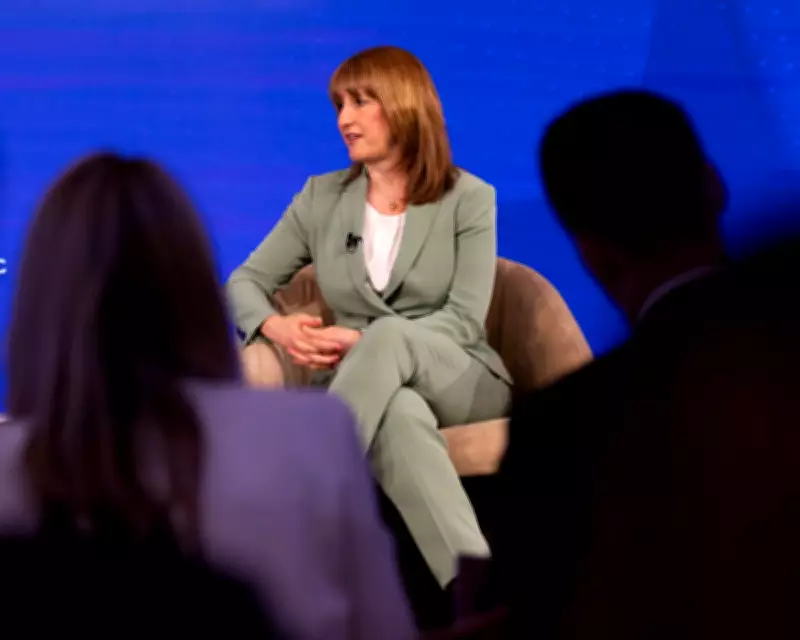
In a significant escalation of transatlantic tensions, UK Chancellor Rachel Reeves has openly criticised former US President Donald Trump's military actions against Iran, labelling the conflict a "mistake" that has destabilised the global economy and eroded living standards worldwide. Speaking at an event in Washington DC, Reeves expressed deep concerns about the safety and economic repercussions of the ongoing Middle East crisis.
Economic and Diplomatic Fallout from the Iran Conflict
Reeves highlighted that Trump's decision to abandon diplomatic negotiations with Iran and initiate airstrikes has left the situation worse than before. "I think it was a mistake to end those talks with Iran and to enter into conflict, because I'm not convinced that we are safer today than we were a few weeks ago," she stated emphatically. The chancellor argued that the lack of clear US objectives has prolonged the conflict without making progress on curbing Iran's nuclear ambitions.
She pointed out that diplomatic channels were previously open and formal discussions were underway, suggesting that diplomacy remains the best path forward. "They don't have a nuclear weapon today. And what do people think is the best way to stop that from happening? Is it through conflict or is it through diplomacy? And I believe it is through diplomacy," Reeves asserted.

Global Economic Warnings and IMF Concerns
The International Monetary Fund has issued stark warnings about the economic impact of the Iran war. On Tuesday, the IMF cautioned that further escalation could trigger a global recession, with the UK potentially suffering more than any other G7 nation. Additionally, global government debt levels risk reaching their highest point since the Second World War due to the conflict's economic fallout.
IMF Managing Director Kristalina Georgieva described the war as having a "very large" shock on the world economy, affecting even the United States. "The sooner it ends the better for everybody," she urged. Reeves echoed these concerns, noting that as a net importer of gas, the UK is particularly vulnerable to Middle East instability, which drives up energy prices and inflation.
Strained UK-US Relations and Trade Tensions
The criticism from Reeves adds to growing tensions between Downing Street and the White House. Despite initial efforts by Prime Minister Keir Starmer to maintain cordial relations with Trump—which helped secure a US trade deal to mitigate tariffs—relations have soured over the UK's refusal to join offensive actions against Iran.
Trump has responded with increasingly personal attacks on Starmer, threatening to rip up the bilateral trade deal and criticising UK defence spending. Starmer has remained defiant, telling MPs he would "not yield" to such pressure. Reeves, however, maintained that the UK and US remain friends despite disagreements. "Friends are allowed to disagree on things. When you are friends you can speak your truth and deliver that fair message," she said.
International Calls for De-escalation and Energy Security
Reeves joined finance ministers from ten other countries, including Australia, Japan, Spain, and Sweden, in issuing a joint statement calling for the safe passage of energy supplies through the Strait of Hormuz. The statement urged nations to avoid imposing "unnecessary trade restrictions" and to work together to address the war's economic impact.
The chancellor emphasised that reopening the strait is crucial to calming global energy prices, noting it was open before the conflict began. "We had the waterway open a few weeks ago. So, if now the objective is to reopen the Strait of Hormuz? Well it was open at the beginning of this conflict," she remarked. Reeves also indicated that the UK is prepared to help maintain oil supplies once a proper ceasefire is established.
As Prime Minister Starmer prepares to meet French President Emmanuel Macron to discuss securing shipping routes, Reeves reiterated that de-escalation is the key priority for protecting businesses and families. "Our growth would be higher and inflation lower if this conflict comes to an end and that will only happen with de-escalation," she concluded, delivering a firm message to the Trump administration during her Washington visit.