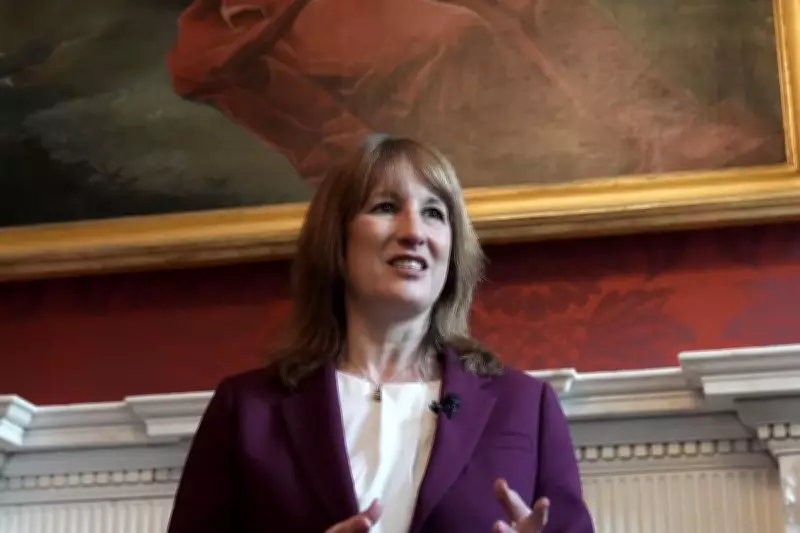
Chancellor Rachel Reeves Condemns Trump's Iran War Strategy Amid Economic Warnings
Chancellor of the Exchequer Rachel Reeves has launched a scathing critique of what she termed the "folly" of the US-Israeli military engagement with Iran, particularly highlighting the absence of a coherent exit strategy. This condemnation comes as the International Monetary Fund (IMF) delivered a sobering assessment, significantly downgrading the United Kingdom's economic growth projections directly due to the ongoing Middle East conflict.
IMF Forecasts Weaker UK Growth Amid Global Recession Fears
In its first comprehensive economic evaluation since the outbreak of hostilities between US-Israeli forces and Iran, the IMF issued a stark warning on Tuesday. The influential global financial institution stated that the war would result in substantially weaker economic growth for the UK than previously anticipated. Furthermore, the IMF cautioned that a severe scenario linked to the conflict could make a global recession a "close call," underscoring the widespread economic instability triggered by the military actions.
Speaking to the Mirror ahead of her departure for the IMF spring meetings in Washington DC, Chancellor Reeves expressed profound frustration and anger. "This is a war that we did not start. It was a war that we did not want," she asserted. "I feel very frustrated and angry that the US went into this war without a clear exit plan, without a clear idea of what they were trying to achieve." Reeves emphasised that while no sensible individual supports the Iranian regime, initiating a conflict without defined objectives and an exit strategy constitutes a grave folly, adversely impacting families across the UK, the US, and globally.

Coordinated International Response and Diplomatic Initiatives
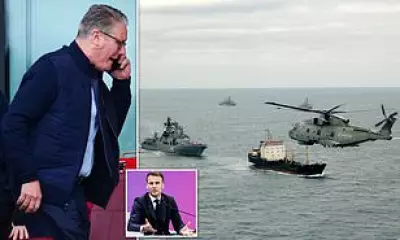
At the Washington DC gathering, Chancellor Reeves is anticipated to advocate for coordinated international action to mitigate the global economic shockwaves emanating from the war. Concurrently, Prime Minister Sir Keir Starmer is set to co-host a critical summit in Paris on Friday alongside French President Emmanuel Macron. This high-level meeting aims to formulate a robust plan to ensure the Strait of Hormuz remains accessible to international shipping once hostilities cease.
A spokesperson from Number 10 clarified the summit's objective: "The summit will advance work towards a coordinated, independent, multinational plan to safeguard international shipping once the conflict ends." Sir Keir informed MPs that the UK-French initiative would encompass both military planning to assure shipping security and extensive diplomatic efforts. President Macron previously described the participating nations' commitment to a "strictly defensive mission, separate from the warring parties to the conflict," intended for deployment as soon as conditions allow.
Domestic Preparations and Cabinet Committee Establishment
In response to the escalating crisis, the UK government has established a new Cabinet committee specifically tasked with managing the fallout from the Iran conflict. The Middle East Response Committee convened for its inaugural meeting on Tuesday, focusing on the critical situation in the Strait of Hormuz, a vital global conduit for oil and gas supplies.
Prime Minister Starmer instituted this committee to address both the domestic and international repercussions of the war, which have already precipitated rising energy prices, stock market volatility, and exposed significant rifts between the United States and its traditional European allies. Insiders at Number 10 have drawn parallels between this new panel and the committees established under previous Conservative administrations to handle Brexit preparations and the Covid-19 pandemic.

A government source indicated that this "new central structure" would concentrate on "medium-term scenario planning to respond to developments in the region over the coming weeks and months." Alongside the ministerial committee, whose full membership remains undisclosed, senior officials will meet under the leadership of Cabinet Secretary Dame Antonia Romeo. This organisational framework acknowledges the prolonged impact the situation is expected to have on the UK, though the emergency Cobra committee will continue to convene for immediate crisis management.
Strategic Focus on the Strait of Hormuz and Market Reactions
The committee's initial focus on the Strait of Hormuz follows President Donald Trump's announcement of a blockade targeting Iranian ports. This strategic chokepoint has been selectively closed by Iran since the commencement of the US-Israeli bombing campaign. While some tankers have navigated through with Iranian permission, Trump's blockade aims to cripple Iran's revenue from these vessels.
Defending his actions in the Gulf, President Trump stated, "We can't let a country blackmail or extort the world because that's what they're doing." Amid these tensions, oil prices exhibited volatility, retreating below 100 US dollars a barrel during Tuesday morning trading. This market movement reflected nascent hopes that US-Iran negotiations might be revived and a potential agreement concerning the crucial Strait of Hormuz shipping route could be reached, offering a glimmer of stability amidst the prevailing economic and geopolitical uncertainty.