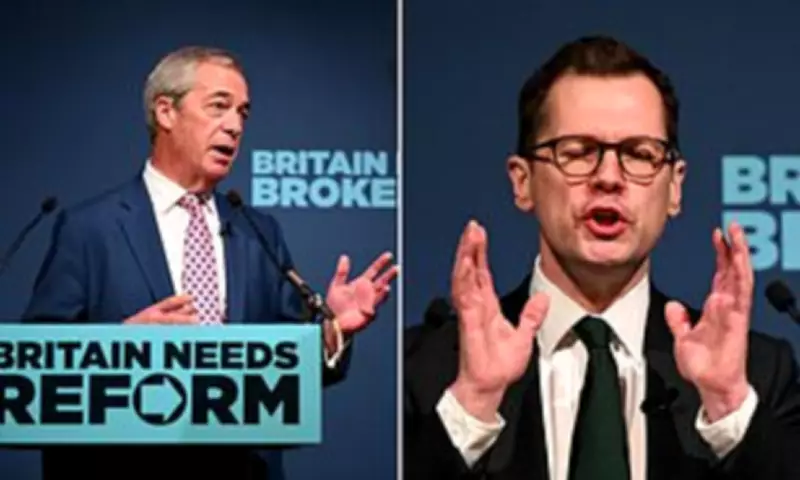
The Reform Party is embroiled in a significant controversy over its stance on the pensions triple lock, as conflicting statements from its two most senior politicians have thrown the party's policy into disarray. This internal disagreement has raised serious questions about the party's commitment to safeguarding pensioner incomes ahead of the next general election.
Robert Jenrick's Supportive Stance
Robert Jenrick, the party's Treasury spokesman, dropped a major hint that Reform would retain the triple lock if it gains power. Speaking after a London address, Jenrick expressed his personal admiration for the policy, stating he had 'always been a fan' of the mechanism that guarantees annual state pension increases.
The triple lock ensures pensions rise by the highest of three measures: average earnings growth, Consumer Prices Index (CPI) inflation, or a minimum of 2.5 per cent. This system has been crucial for providing financial stability to retirees on fixed incomes.

In response to questioning from the Daily Mail, Jenrick emphasized the importance of dignity and security for older citizens, particularly during the ongoing cost-of-living crisis. He noted that the party's official policy would be detailed in the coming days, but his comments strongly suggested continuity with the current system.
Nigel Farage's Contradictory Position
However, party leader Nigel Farage immediately contradicted this position, telling the Sun newspaper that the future of the triple lock remains 'up for debate'. This statement directly conflicts with Jenrick's supportive remarks and reveals a clear division within the party's leadership.
Farage's skepticism about pension guarantees is not new. Last November, following the Budget announcement, he stated that Reform was 'not going to guarantee anything' to pensioners and that the party would need to assess economic conditions closer to the next election before making commitments.
Financial Implications of the Triple Lock
The Office for Budget Responsibility (OBR) has highlighted the substantial financial burden of maintaining the triple lock system. Due to volatility in inflation and earnings data, the policy has cost approximately three times more than originally anticipated.
According to budget watchdog estimates, using the triple lock rather than earnings alone for uprating will add an extra £15.5 billion annually to the state pension bill by the end of the decade (2029-30). This significant financial impact underscores why the policy has become such a contentious political issue.
Political Ramifications of the Disagreement
This public disagreement between Jenrick and Farage exposes deeper tensions within Reform about fiscal responsibility versus social protection. The triple lock debate touches on fundamental questions about intergenerational fairness, government spending priorities, and how to support vulnerable populations during economic uncertainty.
With pensioners representing a crucial voting demographic, the party's mixed messages could undermine voter confidence. The confusion comes at a particularly sensitive time, as all major parties are formulating their manifestos for the upcoming election campaign.
The divergence between Jenrick's apparent support for maintaining pensioner benefits and Farage's more cautious approach reflects broader ideological debates within the party about the role of the state in providing social security guarantees versus allowing market forces to determine outcomes.