Scottish Conservatives Unveil Comprehensive 'Get Scotland Working' Manifesto
The Scottish Conservative Party has today launched a new manifesto titled 'Get Scotland Working', which includes significant tax cuts and measures to control the soaring benefits bill. This 96-page document outlines a series of policies aimed at revitalising the Scottish economy and providing relief to families amid the ongoing cost of living crisis.
Focus on Economic Growth and Tax Reform
At the heart of the manifesto is a commitment to boost jobs and economic growth, addressing concerns over stagnant performance during nearly two decades of SNP governance. The party pledges to reduce income tax by eliminating the current 20p basic rate and 21p intermediate rates, replacing them with a uniform 19p rate for earnings between the personal allowance and the higher rate threshold of £43,663. This move is designed to close the tax gap with the rest of the UK, where Scots earning over £33,493 currently pay more.
For example, under the proposed changes, someone with a salary of £45,000 would see a reduction of £396 compared to current Scottish rates, while higher earners could save substantially more—up to £31,431 for those on £1 million. The manifesto also includes plans to lower business rates, restructure the system to avoid sudden increases, and cut red tape to support enterprises facing rising costs.

Controlling the Benefits Bill and Public Services
A key element of the blueprint is getting control of the devolved benefits bill, which now costs £7 billion annually. The Tories argue that this, along with other measures, will help ease financial strain on households. Additionally, the manifesto promises to expand pre-school childcare, provide a council tax rebate, and increase NHS funding.
Other pledges involve introducing a 'growth test' for government policies, tackling prison overcrowding by considering foreign jail placements for some inmates, raising school standards, protecting traditional exam-based learning, and abolishing land and buildings transaction tax on primary residences.
Political Context and Warnings
Unveiling the manifesto at an event in Edinburgh, Scottish Conservative leader Russell Findlay emphasised the need for change after what he described as "almost two dismal decades of SNP incompetence, failure and scandal." He stated, "Things do not have to be this bad. The mess that Scotland is in is the result of the wrong political choices made by SNP administrations."
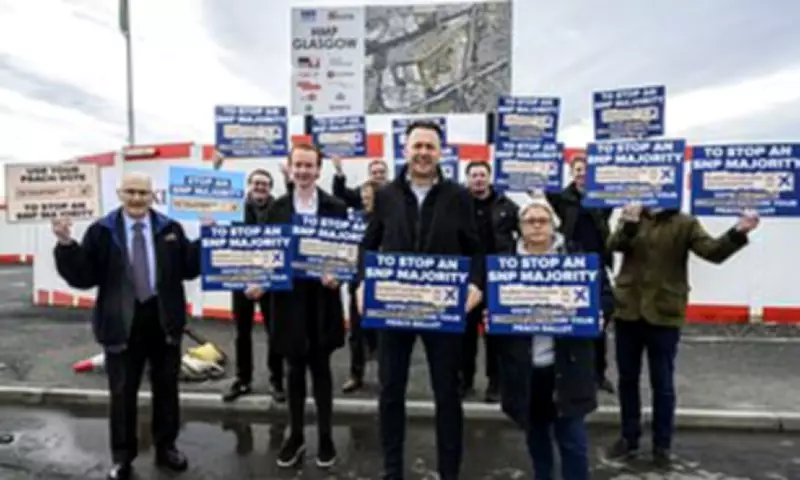
Findlay also stepped up warnings about the dangers of an SNP majority, referencing First Minister John Swinney's recent comments about aiming for another independence referendum in 2028. He argued that such a move would plunge the next parliament into constitutional chaos and distract from pressing issues like the cost of living crisis and public service reforms.
Reactions from Opposing Parties
The manifesto has drawn criticism from political rivals. Scottish Labour deputy leader Jackie Baillie dismissed the Tories as "utterly irrelevant in this election," citing their support for former Prime Minister Liz Truss during economic turmoil. Meanwhile, SNP candidate Karen Adam accused the Tories, Labour, and Reform of having "nothing to offer the Scottish people" and suggested potential alliances among them.
A Scottish Conservative source highlighted that this manifesto is the most comprehensive they have produced for any Scottish Parliament election in the devolution era, aiming to remind voters that alternatives exist after 19 years of SNP rule.