Keir Starmer Confronted with 'Contemptuous Behaviour' Allegations During PMQs
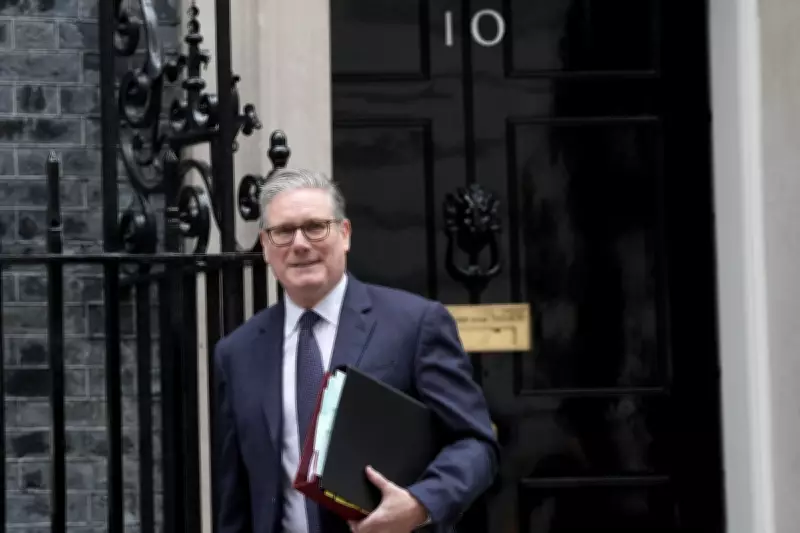
Conservative frontbencher Jesse Norman has launched a scathing attack on Prime Minister Keir Starmer, accusing him of displaying "contemptuous behaviour" during Prime Minister's Questions (PMQs). The allegations centre on Mr Starmer's conduct in the House of Commons, with Mr Norman claiming the Prime Minister repeatedly ignored questions and changed the subject in his responses.
Specific Accusations and Parliamentary Protocol
Mr Norman detailed that in a recent PMQs session, the Prime Minister allegedly avoided direct answers in 23 out of 24 responses to questions posed by Kemi Badenoch. This pattern, according to Mr Norman, undermines parliamentary decorum and disrespects the questioning process. Additionally, he criticised Mr Starmer for "hectoring" Speaker Sir Lindsay Hoyle, calling for a formal apology to both MPs and the House for this conduct.
The Speaker's office has confirmed that Sir Lindsay has on multiple occasions reminded Downing Street that answers in the Commons should strictly adhere to the questions asked, highlighting ongoing concerns about adherence to parliamentary standards.

Defence from the Government and Broader Implications
In response, Commons Leader Sir Alan Campbell defended the Prime Minister's approach, stating that all prime ministers handle PMQs in their own unique style. Sir Alan emphasised that Mr Starmer's methods are within the bounds of parliamentary tradition, though this defence has done little to quell the controversy.
The accusations come amid broader political tensions, with related reports noting that Starmer has rejected claims from Lord Robertson that the government is "complacent" on defence issues. This incident adds to a series of critiques facing the Prime Minister, including previous calls for him to apologise for what some describe as a "shameful record" at PMQs.
The debate underscores ongoing challenges in maintaining respectful and effective dialogue in the Commons, with implications for political accountability and public trust in governmental proceedings.