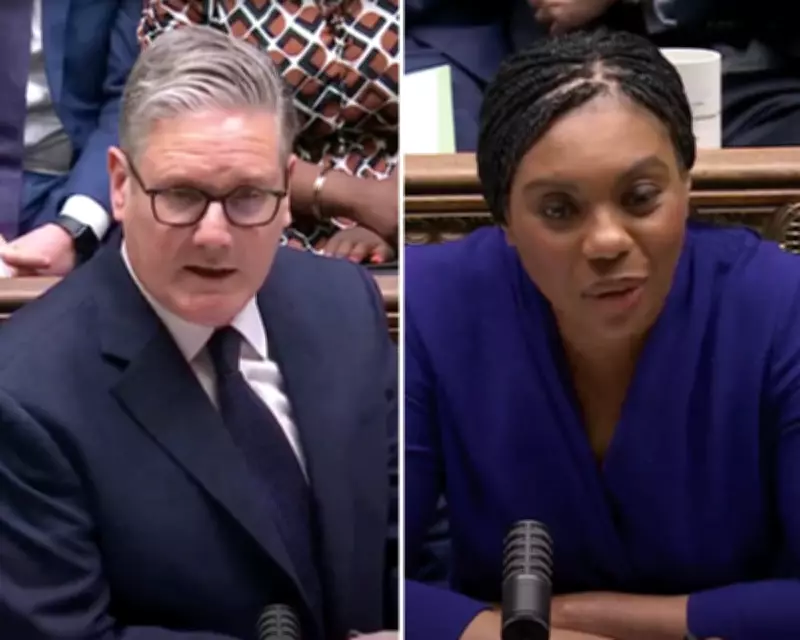
Starmer and Badenoch Engage in Surprisingly Coherent Defence Spending Debate
In a departure from recent weeks of political gridlock, Prime Minister's Questions this week featured a modicum of coherence as Keir Starmer made a reasonable effort to listen to Kemi Badenoch's inquiries and deliver rehearsed responses on defence spending. Questions were posed and answers provided, albeit with notable limitations, marking a shift from the nihilistic exercises that have characterised recent sessions.
A Break from Existential Futility in Westminster
Credit must be given where it is due. The last few prime minister's questions had descended into an embodiment of existential futility, with Badenoch asking questions and Starmer offering little pretence of answering them, reminiscent of the worst days under Boris Johnson. Observers noted that more insight might have been gleaned from reading names from an old 1980s phonebook.
To widespread surprise, Starmer this week managed to present replies that were more or less coherent, though he notably avoided the crucial question regarding the publication timeline for the defence investment plan. This omission highlights the ongoing challenge: both sides of the House acknowledge the need for increased defence spending, especially with shifting global alliances, but consensus on funding mechanisms remains elusive.

Tensions Flare with the Speaker
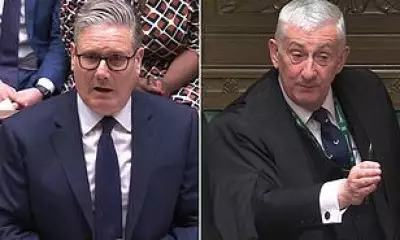
As the chamber emptied post-PMQs, a standup row appeared to erupt between Starmer and Speaker Lindsay Hoyle. Hoyle interrupted the Prime Minister mid-reply to Badenoch, reminding him of his duty to answer questions rather than spend minutes critiquing Tory limitations. For Starmer, who felt he was on his best behaviour and had shown significant improvement, this intervention felt like a personal humiliation, suggesting this issue will persist.
The Phoney War and Political Security
We currently inhabit a phoney war period, with both Labour and the Conservatives polling in the high teens and facing potential annihilation in upcoming local elections. Paradoxically, Starmer and Badenoch appear more secure in their roles than in the past year—Starmer due to his handling of the Iran conflict, Badenoch due to a lack of obvious successors. Yet, hubris lurks nearby, with both leaders aware they are merely one misstep from disaster, living day by day while trying to block out an uncertain future.
Lo-Fi Exchanges and Political Theatre
This PMQs session unfolded as a somewhat lo-fi affair, devoid of bear traps or high-danger moments. Badenoch, displaying a new, gentler demeanour—perhaps due to mediation or medication—remained unroused to anger by Starmer's statements. She focused her questions on Labour grandee George Robertson's criticisms of government complacency towards the armed forces, using his remarks as a tool to bash the Labour Party.
Starmer responded with minimal exertion, expressing admiration for Robertson while respectfully disagreeing, emphasising his commitment to UK safety, increased defence spending, and Britain's position as having the fifth largest defence budget globally. He lamented past decisions, such as Gordon Brown's investment in aircraft carriers for Scottish jobs, which now face vulnerabilities to modern missiles.
Escalating Tensions and Surreal Turns
The debate recycled similar points over subsequent questions, with Badenoch seeming underpowered without Robertson as a shield. Starmer seized the opportunity, attacking Tory hollowing of the armed forces and dismissing the notion of a simple trade-off between defence and welfare as absurd, noting Conservative trebling of welfare spending.
Badenoch's retort—"Don't worry about what we did"—signalled a losing argument, compounded when Starmer referenced her early support for the Iran war, a stance she has struggled to shake despite attempts at historical revisionism. The session turned surreal as Badenoch joked about MP Samantha Niblett's campaign to bring dildos into Parliament, a gag that fell flat in the Commons, perhaps as a plea for "Make Love, Not War."

Broader Political Implications
Liberal Democrat leader Ed Davey shifted focus to Donald Trump, questioning whether to let him embarrass the king. Starmer, now unafraid to criticise Trump, asserted the king's resilience and the enduring UK-US special relationship, while advocating for closer EU ties—a statement met with unusual silence from Tory benches, possibly reflecting depression over their futures or a dawning realisation about Brexit realities.
Overall, this PMQs highlighted a temporary coherence amid underlying tensions, with defence spending debates exposing deeper political fractures and personal rivalries that continue to shape Westminster dynamics.