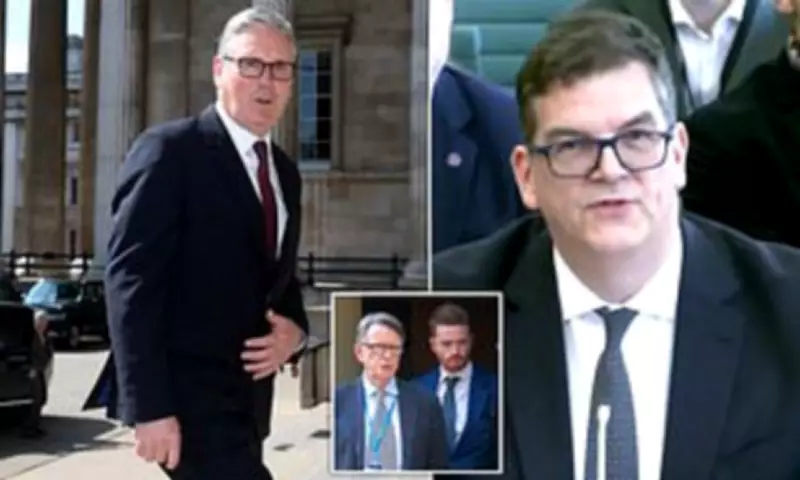
Starmer Confronts Cabinet Unrest Amid Mandelson Appointment Fallout
Cabinet tensions have escalated dramatically as Prime Minister Keir Starmer finds himself embroiled in an extraordinary confrontation with Whitehall over the controversial appointment of Peter Mandelson as US ambassador. Ministers have expressed grave concerns following explosive testimony from Sir Olly Robbins, the former Foreign Office chief who was dismissed for allegedly failing to inform the Prime Minister about Mandelson's security vetting issues.
Explosive Testimony Reveals Downing Street Pressure
In a remarkable session before the Foreign Affairs Committee, Sir Olly Robbins disclosed that Downing Street had actively "chased" the diplomatic posting for Mandelson while displaying a "dismissive" attitude toward necessary security checks. The committee heard startling claims that Sir Keir's former chief of staff, Morgan McSweeney, pressured officials with the blunt instruction: "Just f***ing approve it."
Sir Olly further revealed that Number 10 attempted to secure a prestigious "head of mission" position abroad for Matthew Doyle, the Prime Minister's former communications director. Lord Doyle subsequently left government and has since been stripped of the Labour whip following his association with a councillor charged with child sex offences.

Cabinet Meeting Dominated by Growing Crisis
The Mandelson debacle dominated this morning's weekly Cabinet meeting, where Sir Keir informed his team that Sir Olly had been dismissed due to an "error in judgment"—the same phrase the Prime Minister has used to describe his own role in Mandelson's appointment. In the Commons, Foreign Secretary Yvette Cooper expressed concern about claims that Number 10 concealed efforts to appoint Lord Doyle as an ambassador from her predecessor, David Lammy, stating unequivocally that such an appointment would have been "inappropriate."
Adding to the Prime Minister's difficulties, Net Zero Secretary Ed Miliband disclosed that he had warned against Mandelson's appointment, telling Mr Lammy he believed it could "blow up." Scottish Secretary Douglas Alexander further unsettled colleagues by suggesting it was "not certain" Sir Keir would lead Labour into the next election.
Security Vetting Controversy Deepens
Sir Olly detailed how he inherited a situation where there was already "a very, very strong expectation" that Mandelson needed to be in Washington as soon as possible. He explained that UK Security Vetting had considered Mandelson a "borderline case" leaning toward rejection, but Foreign Office security officials believed the risks could be managed. By the time Sir Olly assumed his role, the Cabinet Office had completed due diligence, and the King had approved the posting, with the US government having given its agreement.
The former civil servant emphasized that dropping Mandelson at that stage would have "caused quite an issue," potentially prompting public commentary from the incoming US administration. He noted that Sir Keir had disregarded advice from the Cabinet Secretary, who recommended in November 2024 that security clearance be obtained before any political appointee was selected for Washington.
Broader Pattern of Political Appointments Emerges
Sir Olly disclosed his discomfort with instructions from Number 10 not to discuss potential diplomatic roles for Matthew Doyle with the Foreign Secretary. He described the difficulty of justifying such an appointment while implementing "serious reform" and job reductions at the Foreign Office, stating it was "hard for me personally to defend."
Mandelson himself was reportedly asked about potential Washington roles for Lord Doyle, suggesting Number 10's interest in diplomatic placements for political allies was more widespread than initially understood. Sir Olly expressed regret that allegations about his conduct were not put to him before his dismissal, stating he was personally upset at losing a role he "loved."

Political Fallout and Leadership Speculation
The controversy has reignited doubts about Sir Keir's ability to retain power, coming just weeks after he narrowly survived a leadership challenge in February. With local elections approaching where Labour faces potential losses to Reform, the timing could not be worse. Conservative MP Kemi Badenoch described Sir Olly's evidence as "devastating" and called for Sir Keir's resignation.
Ed Miliband, while denying leadership ambitions, revealed he had "steered well clear" of Mandelson when he became Labour leader in 2010. Another potential rival, Angela Rayner, is scheduled to deliver a pointed intervention urging Labour to be "bolder" at a conference this evening.
International Dimension and Parliamentary Grilling
Former US President Donald Trump entered the fray overnight, describing Mandelson as a "really bad pick" for US ambassador in a Truth Social post. Sir Keir had initially hoped Mandelson's diplomatic skills would charm the Trump administration, a strategy that appeared successful when the former president complimented Mandelson's "beautiful accent" during a trade deal announcement last May.
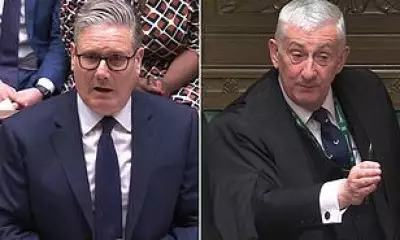
The Prime Minister endured a grueling nearly two-and-a-half-hour Commons session, where he was drowned out by mocking laughter as he acknowledged his version of events "beggars belief." He struggled to explain why he appointed Mandelson before vetting completion, despite warnings about the peer's friendship with convicted paedophile Jeffrey Epstein and business links to China and Russia.
Sir Keir denied misleading Parliament but admitted the appointment was "wrong," insisting he would "take responsibility" while blaming the Foreign Office and Sir Olly for keeping him "deliberately" in the dark about security concerns. Mandelson served nine months as US ambassador before further details about his relationship with Epstein emerged, ending what was intended as a plum diplomatic posting for a political appointee rather than a career diplomat.