Starmer's Mandelson Defence Undermined by September Evidence
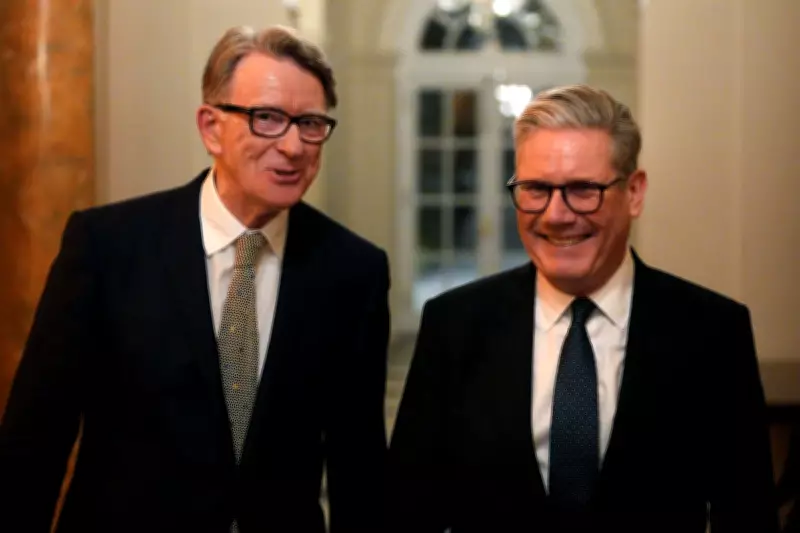
Prime Minister Sir Keir Starmer is facing mounting pressure over his handling of the Peter Mandelson security vetting scandal, with new evidence revealing that Downing Street was informed of the failure months before the Prime Minister claims to have known.
The 'Smoking Gun' WhatsApp Messages
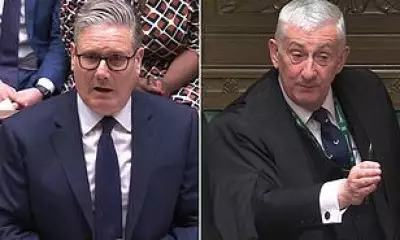
During his defence to the House of Commons, Sir Keir was repeatedly questioned by MPs including Conservative leader Kemi Badenoch about The Independent's front page story from 12 September last year, which revealed that Lord Mandelson had failed security vetting.
More damaging still are WhatsApp messages sent by this publication to the then director of communications in Downing Street, Tim Allan, raising the issue on 11 September. Multiple civil servants and senior politicians have described this as the "smoking gun" in the entire scandal, as it directly contradicts the Prime Minister's own assessment of when he became aware of the situation.

Sir Keir has maintained that he, his ministers, and Downing Street only discovered the security vetting failure last week. However, this claim has been cast into serious doubt by evidence showing that The Independent informed Downing Street's most senior communications official months earlier.
Serious Questions About What the Prime Minister Knew
This revelation raises profound questions about what information the Prime Minister received from his then director of communications in September. In normal circumstances, such security concerns would be raised through official channels, leading to immediate investigations. Most crucially, they would be brought directly to the Prime Minister's attention and should have served as a major red flag.
Yet it appears that nothing happened following these warnings, and the concerns were effectively ignored. This is no minor oversight. Lord Mandelson served for months as the UK's ambassador to Washington, representing Britain's most important diplomatic posting in the United States during a period when the country was navigating complex relations with a difficult administration in the White House.
As ambassador, Mandelson would have had access to substantial classified information, some of it restricted to individuals who had passed the highest levels of security vetting. When the Prime Minister dismissed him last September, he accused Mandelson of lying to officials during the vetting process and stated he had fired him when the full extent of his relationship with convicted paedophile financier Jeffrey Epstein became clear.
Contradictory Statements and Mounting Pressure
In February, Sir Keir told journalists: "Security vetting, carried out independently by the security services, which is an intensive exercise that gave him clearance for the role. You have to go through that before you take up the post. Clearly both the due diligence and the security vetting need to be looked at again."
This statement came months after The Independent had informed Number 10 of the vetting failure. On Monday, the Prime Minister insisted he should have been told last year that his former Washington ambassador had failed security clearance. However, Downing Street was indeed informed—by The Independent.
Last week, Sir Keir stated he was "furious" upon discovering the situation and that it was unacceptable he had not been informed. Within hours, he dismissed the most senior civil servant in the Foreign Office, Olly Robbins. The Prime Minister has been clear that this action was taken because Robbins was aware of the recommendation against granting Mandelson security clearance and failed to inform him.
The Fundamental Question Remains Unanswered
Despite these actions, Sir Keir still faces a critical question, succinctly articulated by the mother of the House, long-time Labour MP Diane Abbott, who currently sits as an independent MP following her suspension from the party. She cornered him in the Commons to ask: "It's one thing to say, as (Starmer) insists on saying nobody told me, nobody told me anything, nobody told me. The question is, why didn't the prime minister ask?"

This fundamental question about proactive leadership and accountability continues to haunt the Prime Minister as the scandal unfolds, with evidence mounting that contradicts his timeline of events and raises serious concerns about transparency and communication within his administration.