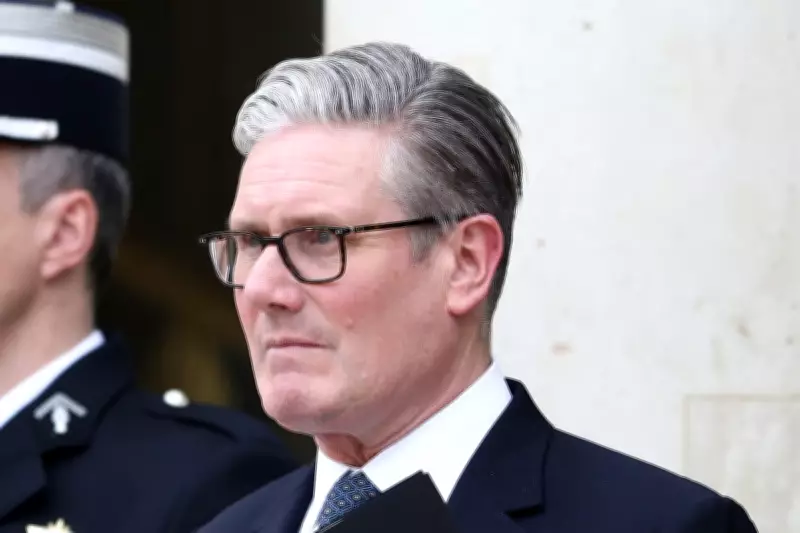
Ministers Rally Around Prime Minister Amid Diplomatic Appointment Controversy
Government ministers have mounted a robust defence of Sir Keir Starmer following explosive revelations about the security vetting process for Lord Peter Mandelson's appointment as US ambassador. The Prime Minister faces intense political pressure and calls for his resignation after it emerged that Lord Mandelson did not receive the required high-level security clearance before taking up the prestigious diplomatic posting in Washington DC.
Vetting Failure Revealed in Diplomatic Scandal
The controversy deepened this week when The Guardian newspaper disclosed that UK Security Vetting officials had not granted Lord Mandelson Developed Vetting (DV) status during the appointment process. This critical security clearance is essential for individuals handling the nation's most sensitive information and diplomatic matters. According to reports, the Foreign Office overruled this decision, proceeding with the appointment despite the vetting failure.
Lord Mandelson's tenure as ambassador lasted less than a year before his dismissal in 2025, triggered by revelations about his association with convicted paedophile financier Jeffrey Epstein that emerged in US government files. The latest disclosures about the security clearance process have reignited the scandal, placing Sir Keir Starmer's judgment under unprecedented scrutiny.

Government's Defence and Opposition Attacks
Technology Secretary Liz Kendall emerged as the Prime Minister's most vocal defender during appearances on major Sunday political programmes. Speaking on BBC's Sunday With Laura Kuenssberg, Ms Kendall stated unequivocally: "He was told that he'd been granted developed vetting status. That's the objective of all of this, and if he had known that UK Security Vetting hadn't cleared him, he would not have made that appointment."
Her comments echoed similar defences offered by Deputy Prime Minister David Lammy, who made comparable statements to The Guardian on Saturday evening. Both ministers emphasized that Sir Keir Starmer had operated on the understanding that proper security protocols had been followed.
The Government's position received reinforcement from a Downing Street memo released on Friday, which revealed that two senior civil servants, including Civil Service head Antonia Romeo, had identified discrepancies in Lord Mandelson's vetting during an evidence-gathering exercise. The document supported Number 10's assertion that the Prime Minister only learned about the vetting failure on Tuesday night.
Mounting Political Pressure and Calls for Resignation
Opposition parties have seized upon the revelations to demand Sir Keir Starmer's resignation. Conservative shadow Cabinet Office minister Alex Burghart declared that the Prime Minister must "take responsibility" for the appointment, while Liberal Democrats leader Sir Ed Davey accused Sir Keir of demonstrating "catastrophic misjudgment" on multiple levels.
Reform UK Treasury spokesman Robert Jenrick added to the chorus of criticism, describing the Prime Minister's judgment as "terrible" and stating unequivocally: "He should be gone." The Conservative Party has hinted at using parliamentary procedures, including potential no-confidence motions, to hold the Government accountable.
The scandal has already claimed several high-profile casualties within the civil service. Sir Olly Robbins, the Foreign Office's chief civil servant, has been dismissed after ministers blamed him for failing to inform Sir Keir Starmer about the vetting issues. This development has raised questions about accountability and information flow within Whitehall departments.
Prime Minister's Forthcoming Commons Appearance
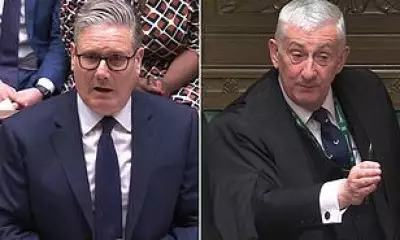
Sir Keir Starmer is scheduled to address the House of Commons on Monday to explain the latest developments in the ongoing scandal. His appearance follows controversy about why he did not return to Parliament sooner to correct potential inaccuracies in his previous statements to MPs regarding Lord Mandelson's vetting.

In February, the Prime Minister told the Commons that the vetting process had provided Lord Mandelson with clearance for the ambassadorial role, asserting that "full due process" had been followed. Ms Kendall defended the timing of Sir Keir's response, telling the BBC: "I think one thing we've learned from this whole torrid episode is the need to get the facts absolutely clear and right."
The Technology Secretary emphasized the Prime Minister's commitment to transparency, stating: "That's really important. I certainly want it as a member of the Government, but the public much more importantly want that, which is why the Prime Minister, on Monday – tomorrow – will go to the House."
National Security Concerns and Political Fallout
Ms Kendall forcefully rejected suggestions that Sir Keir Starmer had compromised Britain's national security through the appointment. Speaking to Sky News, she declared: "I completely refute that the Prime Minister would do anything to put the UK's security at risk. The precise opposite." She added context by noting: "And of course people knew that Peter Mandelson had been sacked from the Cabinet twice. I mean, that's a statement of the fact."
When questioned about why the Prime Minister should retain his position while civil servants faced dismissal over the scandal, Ms Kendall pointed to Sir Keir's broader leadership record: "Because the Prime Minister on the big calls facing this country has made the right calls."
The political ramifications extend beyond Westminster, with Sir Ed Davey suggesting that Labour MPs should consider whether their Government can escape its current crisis without leadership change. He told Sky News: "The thing that I think Labour MPs should think about quite carefully now is their Government has been a bit of a failure, frankly, on the economy, on so much, and it's in chaos, in the way that Conservatives were in chaos, in perpetual crisis."
As Parliament prepares for Monday's crucial session, the diplomatic scandal continues to dominate political discourse, raising fundamental questions about appointment processes, security protocols, and ministerial accountability in Britain's highest diplomatic circles.