Starmer Defends Government's Election U-Turn as 30 Council Votes Are Reinstated
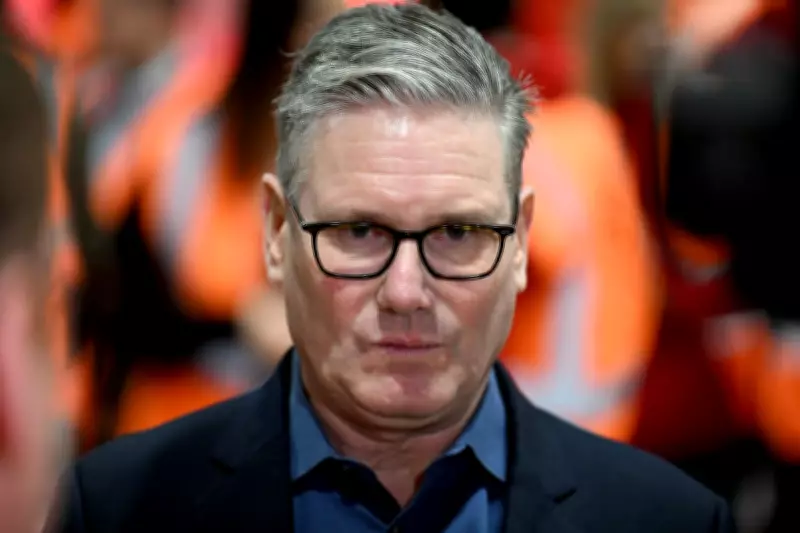
Prime Minister Sir Keir Starmer has publicly defended his Government's decision to reverse plans to delay local elections in 30 English councils, attributing the move to updated legal advice. The elections, which were initially postponed to assist town halls during a major reorganisation of local government, will now proceed as scheduled in May 2026.
Legal Challenge Sparks Policy Reversal
The Ministry of Housing, Communities and Local Government (MHCLG) reinstated the elections on Monday after receiving fresh legal counsel following a challenge by Reform UK. This marks another in a series of policy reversals since Starmer took office 19 months ago, raising questions about his political direction and leadership stability.
During a visit to South Wales, Starmer emphasized that the original decision to cancel the votes was "locally led," with authorities across party lines, including Labour, Conservative, and Liberal Democrat councils, requesting delays. "We took further legal advice and, as you would expect as a Government, having got further legal advice, we followed that legal advice," he stated, addressing concerns about councils scrambling to organise polls at short notice.

Funding and Fallout from the U-Turn
In response to the reinstatement, Local Government Secretary Steve Reed announced up to £63 million in capacity funding for the 21 areas undergoing reorganisation, supplementing £7.6 million provided last year. Reed acknowledged the pressures faced by councils, writing to leaders to assure them of support.
However, the District Councils' Network chairman, Richard Wright, warned that authorities now face "an unnecessary race against time" to secure polling stations and electoral staff, potentially jeopardising the smooth and fair conduct of the elections.
Broader Context of Policy Reversals
This election U-turn is part of a pattern of major policy shifts under Starmer's administration, including:
- Initially restricting winter fuel payments to means-tested pensioner benefits, then restoring them to all pensioners earning £35,000 or less annually.
- Chancellor Rachel Reeves' climbdown on inheritance tax, raising the threshold for farmers' assets from £1 million to £2.5 million after public backlash.
The Government has agreed to cover Reform UK's legal costs from the challenge, adding to the financial and political ramifications of the decision. An MHCLG spokesperson confirmed that providing certainty to councils is now the priority, ensuring all local elections proceed in May 2026.