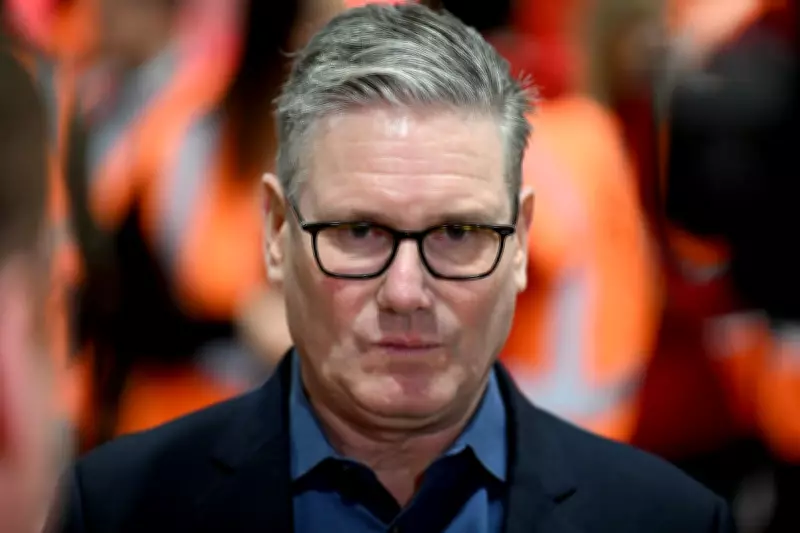
Prime Minister Sir Keir Starmer has robustly defended his Government's significant U-turn on plans to delay dozens of local council elections across England, following the receipt of fresh legal advice that prompted a swift reversal of policy.
Elections Reinstated After Legal Challenge
Votes in 30 English councils, which had been postponed to assist town halls during a major reorganisation of local government, will now proceed as originally scheduled. This reinstatement was announced by the Ministry of Housing, Communities and Local Government (MHCLG) on Monday, after lawyers provided updated guidance in response to a legal challenge mounted by Reform UK.
Starmer Emphasises Local Decision-Making
During a visit to a railway depot in South Wales, Sir Keir addressed concerns that councils are now scrambling to organise polls at short notice due to the Government's change of heart. He appeared to shift responsibility for the initial postponements onto local authorities, describing the decisions as "locally led."

"Well, I think it's important to remind ourselves that the decision to cancel was a locally led decision, in the sense that each authority could decide," the Prime Minister stated.
"And, yes, Labour authorities came forward to say, 'please delay', but so did Tory authorities, so did Lib Dem authorities."
Government Follows Legal Counsel
Sir Keir further explained that the U-turn was a direct result of the Government adhering to professional legal counsel. "In relation to the position, we took further legal advice and, as you would expect as a Government, having got further legal advice, we followed that legal advice," he affirmed.
This episode highlights the complex interplay between central government policy, local authority autonomy, and legal frameworks in the UK's electoral processes. The sudden reversal has undoubtedly created logistical challenges for the affected councils, but the Prime Minister's defence underscores a commitment to operating within the bounds of the law, even when it necessitates a public policy about-face.