Starmer Defiantly Rejects Resignation Calls in Heated Labour Meeting
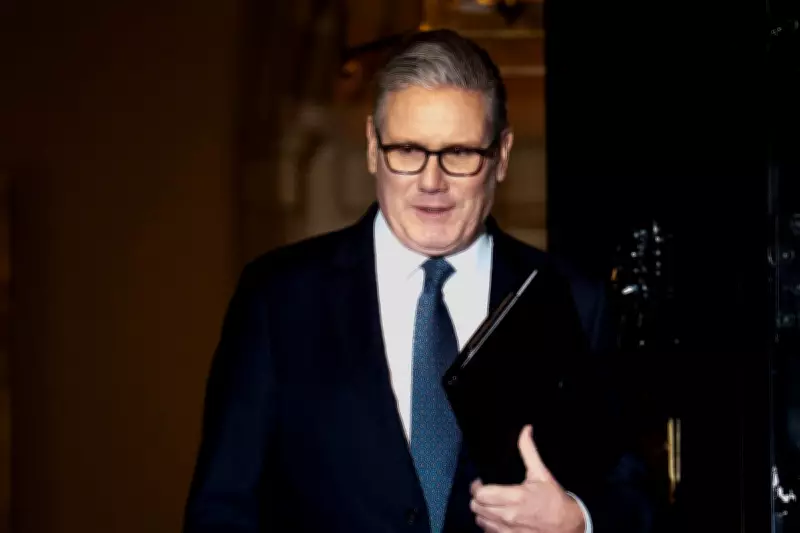
Prime Minister Sir Keir Starmer delivered a defiant message to Labour MPs on Monday evening, firmly stating he would not "walk away" from his position despite mounting calls for his resignation. The embattled leader addressed a packed meeting of the Parliamentary Labour Party in Westminster, directly responding to Scottish Labour leader Anas Sarwar's public demand that he step down.
'I Have Won Every Fight I've Ever Been In'
Flanked by his Cabinet ministers in a show of unity, Starmer struck a combative tone, telling assembled MPs: "After having fought so hard for the chance to change our country, I'm not prepared to walk away from my mandate and my responsibility to my country, or to plunge us into chaos as others have done." The Prime Minister pointed to his record of reforming both the Crown Prosecution Service and the Labour Party itself as evidence of his capability, declaring: "I have won every fight I've ever been in."
Downing Street sources characterised the Prime Minister as "absolutely determined" following his appearance before MPs, which came just hours after Sarwar's dramatic intervention. However, these same sources acknowledged that Starmer recognised his operation had not been "open or inclusive enough" and pledged to give greater weight to PLP views in future decision-making.
Mixed Reception and Historical Comparisons
The meeting reportedly generated more than thirty interruptions for applause from supportive MPs, with many describing the atmosphere as broadly positive toward the Prime Minister. Yet not all responses were favourable; one critical MP drew a striking comparison between the scene and the Battle of the Little Bighorn, the infamous Wild West confrontation known as Custer's Last Stand.
During his address, Starmer paid tribute to his former chief of staff Morgan McSweeney and reiterated his apology for the controversial appointment of Peter Mandelson as ambassador to the United States. The Prime Minister then issued a rallying cry to his parliamentary colleagues, urging unity against the threat posed by Reform UK.
The 'Fight of Our Lives' Against Reform UK
Starmer framed the political battle with Nigel Farage's party as "the fight of our lives," warning that Reform UK's potential success would fundamentally threaten British unity. "It goes to the heart and soul of who we are as a party, as a government, and as a country, what it is to be British," he declared. "And if they ever get in, they will divide, divide, divide. And it will tear this beautiful country apart. That is the fight of our times."
The Prime Minister concluded with a personal commitment: "I'll tell you this, as long as I have breath in my body, I'll be in that fight, on behalf of the country that I love and I believe in, against those that want to tear it up."
Sarwar's Damning Intervention
Earlier on Monday, Scottish Labour leader Anas Sarwar had escalated tensions dramatically during a press conference, stating unequivocally that "the leadership in Downing Street has to change." Sarwar argued that failures at the heart of government were damaging Labour's electoral prospects in Scotland, making him the most senior party figure to publicly call for Starmer's resignation.
Despite this high-profile challenge, Sarwar found himself largely isolated within the party hierarchy. Every member of the Cabinet rallied behind the Prime Minister, while former deputy leader Angela Rayner - widely seen as a potential successor - offered her full backing. The influential soft-left Tribune Group also rejected calls for a leadership contest, describing such a move as "wrong and counterproductive."
Calls for Broader Representation
In a carefully worded statement, Tribune Group MPs acknowledged that "this Labour Government has begun the serious work of changing the country and delivering the national renewal we promised voters in 2024." However, they issued a veiled call for a ministerial reshuffle, suggesting that delivering meaningful change required "a Cabinet and front bench that reflect the breadth of views" across the party.
The dramatic developments highlight the significant pressures facing Starmer's administration, even as he maintains substantial support within the parliamentary party. The Prime Minister's defiant stance sets the stage for continued political battles both within Labour and against opposition parties in the coming months.