Prime Minister Keir Starmer to Convene Business Leaders Over Iran War Fallout
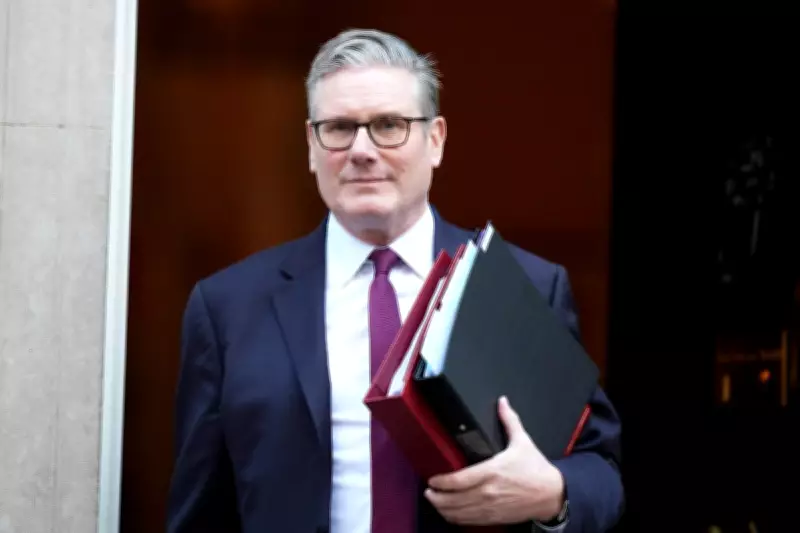
Prime Minister Sir Keir Starmer is set to gather senior business leaders at Downing Street on Monday to discuss the escalating impact of the Iran war on the United Kingdom. The meeting will bring together top representatives from the energy, shipping, and financial services sectors, as concerns mount over serious economic damage stemming from the ongoing conflict.
Focus on Strait of Hormuz Blockade and Economic Disruption
Discussions are expected to centre on Iran's continued blockade of the Strait of Hormuz, a critical shipping route that has severely disrupted the global oil and gas industry. This blockade has also affected supplies of other essential products, including fertiliser, exacerbating supply chain tensions. With oil prices spiking sharply, Britain now faces the prospect of higher inflation and reduced economic growth, adding pressure to an already strained cost-of-living situation.
Petrol prices have already seen significant increases, and the disruption to global oil supplies has prompted some developing nations to impose fuel usage restrictions. There are growing fears that such shortages could spread to the UK, although ministers have consistently downplayed this possibility. Education Secretary Bridget Phillipson emphasised on Sunday that drivers should continue to fill their cars as normal, seeking to reassure the public.

Military and Government Response to the Crisis
The meeting will include an update on the regional situation from Major General Richard Cantrill, the UK's maritime operations commander. This comes in the wake of the Royal Navy's announcement that it is equipping the transport ship RFA Lyme Bay with minehunting drones. This move is understood to be part of efforts to provide ministers with options for securing the Strait of Hormuz once stability returns to the area.
Downing Street has stated that the primary aim of the summit is to hear directly from businesses and explore how the government and private sector can collaborate effectively in response to the conflict. The goal is to foster cooperation that mitigates the economic fallout and protects British interests.
Chancellor Reeves to Push for Fossil Fuel Transition at G7
In a related development, Chancellor Rachel Reeves is scheduled to join a virtual meeting of G7 finance and energy ministers, along with central bank governors, on Monday. Energy Secretary Ed Miliband will also participate. Reeves is expected to urge her international counterparts to follow the UK's lead in accelerating the transition away from fossil fuels.
She will argue that this shift is the only sustainable way to escape the volatility of international oil and gas markets and achieve long-term reductions in energy bills. Additionally, Reeves is likely to caution against protectionist measures in response to disrupted supply chains and stress the importance of G7 unity in maintaining pressure on Russia, which stands to benefit from higher oil prices. This follows former US President Donald Trump's decision in early March to ease sanctions on Russian oil in an attempt to alleviate global market pressures.
Political Divisions Over Energy Policy
In contrast to Labour's focus on renewable energy, Conservative leader Kemi Badenoch will travel to Aberdeen on Monday to reiterate her call for increased oil and gas drilling in the North Sea. The Conservatives have also proposed cutting VAT on domestic energy bills and eliminating green taxes on power generation, claiming these measures would reduce bills by £200 for households.
Ahead of her visit, Badenoch stated, "I know families and business owners across Britain will be very worried about how the global energy crisis will impact them. That's why I find it appalling that Labour's solution is to tax working people to fund a bailout for those on benefits. By drilling in the North Sea and scrapping Ed Miliband's crazy green taxes, our cheap power plan would reduce bills by £200 for everyone." However, during an appearance on the BBC's Sunday With Laura Kuenssberg, she acknowledged that drilling alone would not directly lower energy bills.

Energy Minister Dan Tomlinson responded critically, saying, "From trying to plunge our troops headfirst into war without a plan, to her complete mess of an energy policy, Badenoch is proving time and again that she's completely out of her depth. Energy bills are coming down this week for families thanks to the actions of this Labour Government – action that was opposed by the Tories and Reform. While the Tories and Reform chase headlines, this Labour Government will remain focused on easing the cost of living for families across Britain."
As the UK navigates these complex challenges, the outcomes of Monday's meetings could significantly influence both domestic economic stability and international energy policy moving forward.