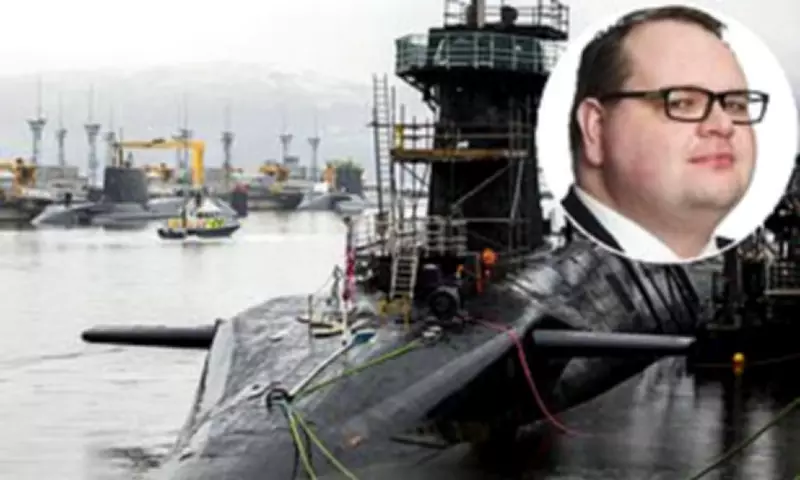
Scotland's Defence Industry Potential Ignored in Election Campaign
In previous political eras, a party leader accusing opponents of jeopardising national security would trigger days of media outrage and condemnation. Yet Russell Findlay's recent warning about the consequences of an SNP majority on May 7 has generated remarkably little reaction. The Nationalists may be preoccupied with other matters, but even typically vocal liberal commentators have remained unusually quiet about these serious allegations.
A Valid Warning About Defence Priorities
Findlay makes several compelling points that deserve proper consideration. He correctly asserts that all politicians should support Scotland's defence businesses, recognising that workers in this sector contribute significantly to keeping both Scotland and its allies safe. His criticism of "petty SNP politicians" who would allegedly sacrifice this industry for independence deserves serious examination rather than dismissal.
However, the argument should extend further than mere support. The Scottish government should actively prioritise expanding the defence sector rather than simply maintaining current levels of engagement. There exists a misguided perspective on the political left that views defence and national security as exclusively right-wing concerns, mirroring equally flawed conservative assumptions that health and education belong solely to the left.

Why Defence Matters Now More Than Ever
The global security landscape provides compelling reasons for Scotland to strengthen its defence industry. Current international tensions include US-Israeli operations against Iran, Ukraine's ongoing struggle against Russian aggression, and Beijing's threatening rhetoric toward Taiwan. The Taiwanese situation carries particular significance given that island nation's crucial role as the world's leading semiconductor exporter.
It demonstrates moral inconsistency to express solidarity with threatened nations while refusing to engage seriously with defence production that could help secure their freedom. Europe's inadequate weapon stockpiles hindered Ukraine's initial response to Russian invasion, revealing dangerous complacency developed under decades of American protection.
The Changing Transatlantic Relationship
For generations, European nations including Britain have relied on American military protection while directing resources toward domestic services. This arrangement now faces unprecedented challenge from the Trump administration's clear demands for European nations to assume greater responsibility for their own defence. Several European countries have already begun strengthening their capabilities in response.
This shifting dynamic creates urgent opportunities in conventional hardware, cyber defence, drone technology, and communications systems. Meeting this emerging demand could generate thousands of high-paying jobs and attract substantial investment to Scotland's economy while enhancing national security.
Scotland's Unique Advantages
Scotland possesses distinct advantages that position it to become Britain's defence production capital. The nation boasts a distinguished history of warship manufacturing, hosts the UK's nuclear defences, and maintains significant expertise in software development. Realising this potential would require cooperation with the UK government but fundamentally depends on a Scottish government committed to the mission.
Unfortunately, much of Scotland's political class appears more interested in fashionable ideologies than practical economic development. This explains why oil-and-gas rich Scotland imports expensive fuels rather than developing its own resources, prioritizing ideological appeasement over sensible policy.
Holyrood's Track Record and Future Potential
Two decades of SNP governance have demonstrated Holyrood's preference for social legislation over economic development. Controversial measures like the Hate Crime Act, Gender Recognition Reform Bill, and Assisted Dying Bill dominate parliamentary attention because their outcomes face less rigorous measurement than economic initiatives requiring concrete results and material improvements.

Nevertheless, strengthening Scotland's defence industry represents a crucial path forward that would fortify Britain's defences, grow the Scottish economy, and establish Scotland as an essential component of European security. This approach doesn't necessitate greater UK involvement in overseas conflicts but simply recognises and supplies existing market demand.
The Need for Political Maturity
Realising this vision requires John Swinney to move beyond pandering to his party's left wing and Green allies, whose policies demonstrate political immaturity rather than strategic thinking. Symbolic gestures like banning Israeli aircraft from refuelling or denying funds to companies with Israeli partners achieve nothing beyond empty posturing.
If Scotland wishes to become a leading defence producer, its political establishment must replace performative politics with serious commitment to security and economic wellbeing. While Holyrood has thus far proven incapable of this maturity, a new parliament offers opportunity for fresh thinking that could finally advance Scotland's interests in this vital sector.