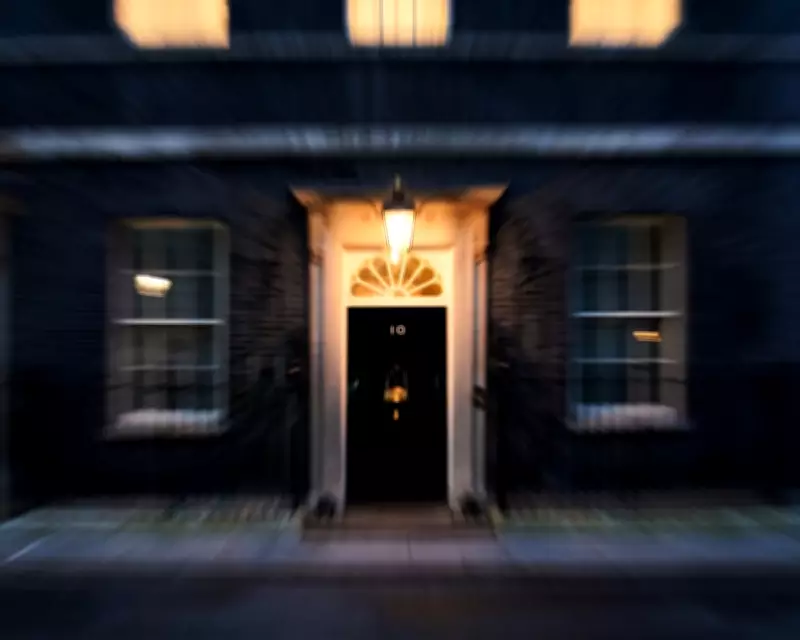
Downing Street in Chaos as Starmer Grapples with Key Adviser Vacancies
A Downing Street source has starkly declared that the entire operation requires a complete overhaul, highlighting the deep-seated dysfunction within Prime Minister Keir Starmer's inner circle. This sentiment echoes widely as three critical vacancies at the top of Starmer's team have ignited a fierce battle for influence over the government's direction.
Competing Factions Vie for Influence in Leadership Void
The departure of Morgan McSweeney, Starmer's chief of staff focused on combating Reform in Labour's heartlands, and Tim Allan, the Blairite director of communications, has created a power vacuum. This has raised hopes among Labour's soft left for a shift in policy favouring their agenda. Simultaneously, Starmer's decision to replace the bureaucratic cabinet secretary Chris Wormald opens the door for a more radical appointee to drive Whitehall reforms and policy changes.
Antonia Romeo, the dynamic permanent secretary at the Home Office, is understood to be the frontrunner for cabinet secretary, having impressed figures like Shabana Mahmood. Other names in contention include Minouche Shafik, Starmer's economic adviser, and Louise Casey, though she has previously expressed doubts about her suitability for the role.
Internal Debates Over Starmer's Political Course
Amid this turmoil, competing factions within Labour are pushing divergent strategies. A "Let Starmer Be Starmer" wing advocates for the prime minister to embrace a more authentic, pro-EU, and internationalist stance, with softer lines on immigration and radical approaches to net zero and the economy. This aligns with the politics of ally Richard Hermer and aims to counter threats from left-wing parties like the Greens and Your Party.
In contrast, others argue for sticking to McSweeney's plan: a relentless focus on cost-of-living issues, appealing to swing voters tempted by Reform, addressing public concerns on immigration, and relying on left-wing supporters returning to Labour to oppose Nigel Farage.
Structural Overhaul and Team Dynamics Under Scrutiny
As Starmer weighs these political decisions, he faces major choices about his team's structure and composition. There is scepticism within No. 10 that merely changing the cabinet secretary will enhance Starmer's ability to achieve his goals, with one source emphasising that the whole place needs a complete overhaul. Another described the environment as completely dysfunctional.
Whitehall sources indicate Starmer aims to avoid a single dominant figure, like McSweeney or his predecessor Sue Gray, who attracted excessive media attention. Discussions are underway about splitting responsibilities among a larger team, though a significant external appointment remains possible. Some propose appointing a chief executive figure to oversee cross-departmental delivery while others handle political matters.
Louise Casey's name repeatedly surfaces as an external candidate for chief of staff, despite risks of her becoming a media lightning rod due to her reputation as a tough enforcer. In the interim, Starmer has appointed Vidhya Alakeson and Jill Cuthbertson as co-chiefs of staff, seen as a safe pair of hands that might allow him to assert himself more independently.
Potential Candidates and Communication Challenges
Tom Baldwin, Starmer's biographer tipped for a communications role, argues that the government should focus outward on the country rather than inward on leadership battles. Other potential elevations include Amy Richards, Starmer's political director well-liked by MPs, and Varun Chandra, his business adviser, though critics question Chandra's political experience.
For the director of communications role, there is appetite for the return of Steph Driver, respected as a calm operator who understood Starmer's mind. Others point to Darren Jones, the chief secretary to the prime minister, who already acts as an enforcer in No. 10 and could support team-building efforts.
Calls for Cohesion and Public Engagement
Ultimately, MPs and insiders urge Starmer to foster a sense of unity within the cabinet and party, which some feel has been lacking since July 2024. A Labour insider stresses the need for the prime minister to narrate a coherent story and engage more with the public, rather than being overly absorbed in policy details. As the battle for influence rages, the success of Starmer's premiership may hinge on his ability to overhaul Downing Street and unify his team around a clear vision.