Downing Street Turmoil as Starmer Loses Key Aide
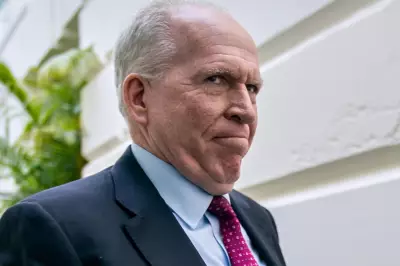
Good morning. The resignation of Morgan McSweeney as Keir Starmer's chief of staff has plunged the Prime Minister's administration into a profound crisis, raising serious questions about his grip on power and future leadership. McSweeney's departure, following revelations about Peter Mandelson in the Epstein files, represents a significant blow to Starmer's authority at the very heart of government.
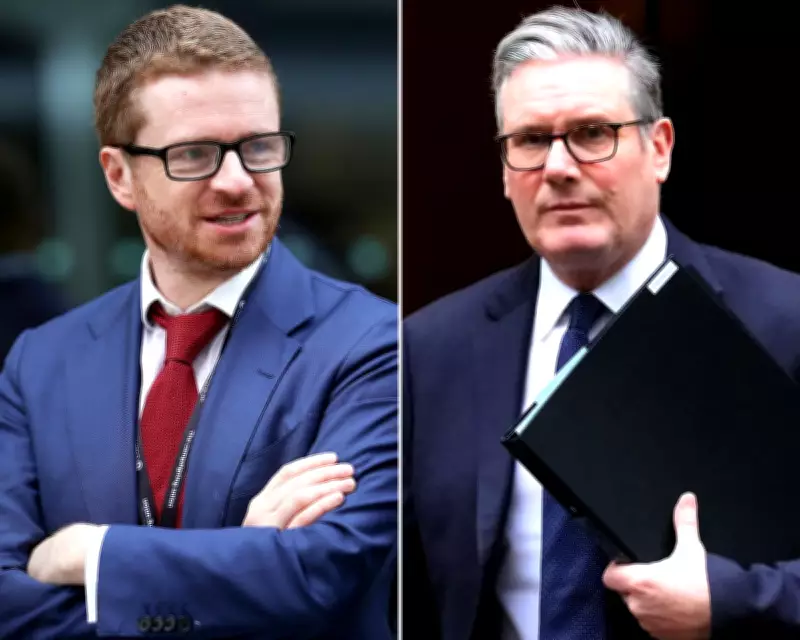
In his resignation statement, McSweeney declared that "in public life responsibility must be owned when it matters most", accepting full accountability for advising Starmer on Mandelson's controversial appointment as US ambassador. This development was swiftly compounded by the resignation of Tim Allan, Starmer's director of communications, creating a perfect storm of political instability.
The Most Powerful Unelected Role in British Politics
The Downing Street chief of staff occupies one of the most influential positions in British governance, despite being entirely unelected. This role sits at the centre of political power, serving as the Prime Minister's most senior political adviser, gatekeeper, and internal enforcer. When this position falters, the consequences reverberate throughout the entire government apparatus.

McSweeney's exit marks the second chief of staff departure in Starmer's premiership, following Sue Gray's messy departure just months after Labour's 2024 general election victory. This pattern has prompted senior Labour figures, including Scottish leader Anas Sarwar, to publicly call for Starmer's resignation, while the Prime Minister's Cabinet has mounted a coordinated vocal defence of his leadership.
The Critical Functions of the Chief of Staff
The chief of staff role, first established under Margaret Thatcher with David Wolfson in 1979, carries immense responsibility for the political direction of Number 10. While the principal private secretary manages day-to-day operations, the chief of staff focuses on strategic political matters, including:
- Advising the Prime Minister on strategy and political risk
- Overseeing special advisers across government departments
- Ensuring alignment between policy, communications, and parliamentary tactics
- Acting as internal broker between ministers and government machinery
- Controlling access to the Prime Minister and shaping information flow
McSweeney's tenure was particularly significant as he either masterminded Labour's strategic shift toward the centre ground that delivered the 2024 election landslide, or simply presided over the Conservative vote collapse, depending on one's political perspective. Critics also accuse him of purging senior left-wing figures to the party's long-term detriment.
Potential Successors and Interim Arrangements
The vacuum created by McSweeney's resignation has prompted immediate restructuring within Downing Street. Vidhya Alakeson and Jill Cuthbertson, McSweeney's former deputies, are now acting jointly in the role, bringing complementary expertise in policy and operational experience respectively.
Other significant figures stepping into the breach include:
- Darren Jones MP, as chief secretary to the Prime Minister
- Amy Richards, political director tasked with Labour MP communications
- Harvey Redgrave, head of the Number 10 policy unit
Media speculation has also suggested Louise Casey, known as a Whitehall "troubleshooter", or Jonathan Powell, who held the role under Tony Blair and currently serves as Starmer's national security adviser, as potential permanent appointments.
Mounting Pressure and Political Challenges
Opposition leaders have seized upon Starmer's vulnerability, with Conservative leader Kemi Badenoch declaring the Prime Minister "in office, but not in power", comparing him to "a plastic bag blowing in the wind". Green Party leader Zach Polanski and SNP Westminster leader Stephen Flynn have joined calls for Starmer's resignation.

Perhaps most damagingly, Labour's own Scottish leader Anas Sarwar has become the most senior party figure to demand Starmer's departure, stating there have been "too many mistakes" in Downing Street and that his "first loyalty must be to Scotland". Welsh First Minister Eluned Morgan's silence on the leadership question has been interpreted as significant, with Plaid Cymru leader Rhun ap Iorwerth accusing her of being "happy for the chaos to continue".
Immediate Political Minefields
Starmer faces numerous critical challenges in the coming weeks that could determine his political survival:
- The Gorton and Denton byelection on 26 February
- The politically sensitive white paper on special educational needs in England's schools
- Chancellor Rachel Reeves's spring statement on 3 March
- The uncontrolled release of documents relating to Mandelson's ambassadorial appointment
- May's local, Senedd, and Holyrood elections
Potential Leadership Transition Scenarios
Should Starmer step down as Labour leader while remaining Prime Minister, the party would enter a holding pattern. The Cabinet, consulting with the national executive committee, would appoint an interim leader from among its members to govern while organising a full leadership contest.
A complete leadership election would require candidates to secure nominations from at least 20% of Labour MPs, plus support from constituency parties or affiliated organisations like trade unions. The eventual winner would be determined through a preferential ballot of party members and affiliates, a process that could take weeks.
One potential scenario gaining traction involves appointing an interim leader without long-term ambitions who could shoulder responsibility for potentially poor May election results, allowing time for figures outside Parliament, such as Andy Burnham, to secure Commons seats before a permanent leadership contest later in the year.
The Broader Implications
The loss of a chief of staff extends far beyond the departure of a single individual. It signals that authority is fraying at the very centre of government and that the Prime Minister's control over events is being questioned not just by political opponents, but by those within his own party and administration.
Starmer remains defiant, insisting he can "steady the ship" and refusing to "walk away" from power. However, the coordinated nature of recent resignations and the public calls for his departure from within Labour ranks suggest a deeper crisis of confidence that may prove difficult to overcome.
As the Prime Minister attempts to navigate this political storm, the fundamental question remains whether he retains sufficient authority to govern effectively or whether the damage to his leadership has become irreparable. The coming weeks will prove decisive in determining whether Starmer can regain control or whether his premiership has entered its final chapter.