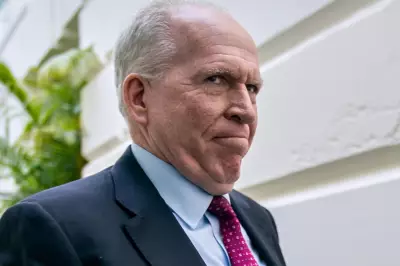
Keir Starmer, the leader of the Labour Party, is currently navigating a pivotal moment in British politics as he strives to revive the party's fortunes following a period of significant internal turmoil and electoral disappointment. His leadership is under intense scrutiny from both within the party and the broader public, with many questioning whether he can effectively steer Labour back to a position of strength and relevance.
The Challenges Facing Starmer's Leadership
Starmer inherited a Labour Party that was deeply divided after years of factional infighting and poor electoral performances. The party's credibility has been severely damaged by recent scandals and policy disagreements, leading to a loss of trust among traditional supporters and the wider electorate. This has created a complex environment where Starmer must balance internal unity with a clear, compelling vision for the future.
Internal Party Dynamics and Public Perception
Internally, Starmer faces pressure from various factions within Labour, including left-wing members who are skeptical of his centrist approach and moderates demanding stronger leadership. Externally, public perception of the party remains low, with polls indicating that Labour has struggled to connect with voters on key issues such as the economy, healthcare, and immigration. This dual challenge requires Starmer to implement strategic reforms while rebuilding the party's image.

Strategies for Revival and Electoral Success
To address these issues, Starmer has initiated several key strategies aimed at revitalizing Labour. These include a focus on policy development, with an emphasis on economic stability and social justice, as well as efforts to improve party discipline and communication. However, the effectiveness of these measures is still uncertain, and Starmer must demonstrate tangible progress to regain momentum.
The Role of External Factors and Future Outlook
External factors, such as the current political landscape and economic conditions, also play a crucial role in Starmer's ability to revive Labour. With upcoming elections on the horizon, the pressure is mounting for him to deliver results. The success or failure of his leadership could have long-lasting implications for the party's direction and its chances of returning to power in the future.
In summary, Keir Starmer's task of reviving the Labour Party is fraught with challenges, but it represents a critical opportunity to reshape British politics. His ability to navigate internal divisions, rebuild public trust, and articulate a coherent vision will determine whether Labour can emerge from this period of turmoil as a stronger, more unified force.