Labour MP Thornberry: UK Democracy 'Constantly Suffering' From Online Disinformation
Thornberry Warns of Urgent Threat from Online Disinformation

A senior Labour MP has issued a stark warning that British democracy is under sustained attack from coordinated online disinformation campaigns, including those orchestrated by foreign state actors and amplified by biased social media algorithms.

Foreign Interference and the 'Dangerous' Lies Amplified Online

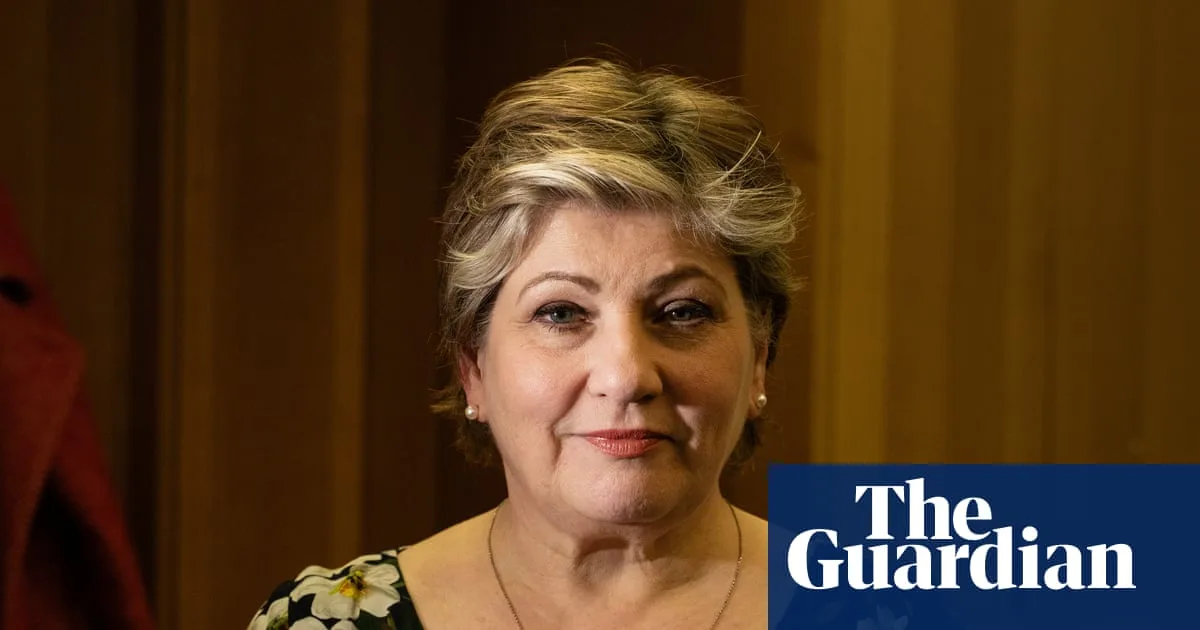
Emily Thornberry, the Labour chair of the powerful foreign affairs select committee, stated that the United Kingdom is "constantly suffering from disinformation campaigns from both state and non-state actors." She highlighted the severe risk these campaigns pose, where false narratives are seeded by bot farms abroad and then disseminated as fact by prominent political figures.

Thornberry pointed to specific examples, including Iranian bot farms that were actively promoting support for Scottish independence in an attempt to destabilise the UK. According to evidence from the disinformation detection firm Cyabra, based in Tel Aviv, around 1,300 fake profiles influencing discourse on Scottish independence and Brexit went silent following internet shutdowns in Iran during anti-government protests.

"We are seeing lies that start in bot farms and are then disseminated on social media sites become statements of fact from the likes of the US president, and increasingly from politicians here at home," Thornberry said. "That’s so dangerous for our democracy."

Biased Algorithms and Political Amplification

The MP also trained her focus on the role of social media platforms' own systems, accusing them of promoting strife and far-right messages through biased algorithms. She cited an analysis of Reddit by Dr Mark J Hill of King’s College London, which found posts claiming London is "dangerous" and "lawless" had skyrocketed from 874 in 2008 to 258,444 in 2024. The research identified new accounts using AI-generated profile pictures that posted exclusively about crime in the capital.

Thornberry accused the Reform UK party of repeating false claims about UK cities being crime-ridden, which are then amplified online. She noted that Reform politicians were "raking in tens of thousands of pounds from X" by rewarding content that sows anger. Last week, Reform's mayoral candidate Laila Cunningham claimed London was "no longer safe," while party leader Nigel Farage spoke of a "crime wave," despite official figures showing a fall in multiple crime categories including murder.

These claims echo previous disinformation, such as Donald Trump's false assertions that London has "no-go zones" and that Mayor Sadiq Khan was moving the city "towards sharia law."

A Call for Urgent Dialogue and Legislative Gaps

In response to the growing threat, Thornberry's committee has written to major tech firms—X, Meta, and TikTok—demanding they give evidence on foreign disinformation targeting the UK. "We must start a proper dialogue with social media companies about the ways their platforms are being used to spread lies from abroad and undermine our democracy. And we need to do it urgently," she asserted.

This call was underscored by evidence given to the committee by Vijay Rangarajan, Chief Executive of the Electoral Commission. He warned that the UK currently lacks sufficient safeguards against algorithmic bias, stating that if a social media company decided to amplify or suppress political discourse, "they probably could." He added, "I do not think anything in our current legislative toolkit would enable us … to take any action against that, and that really is a concern."

The government has already taken some steps, with Prime Minister Keir Starmer launching a formal investigation into foreign election interference in December. This followed the conviction of Reform's former leader in Wales, Nathan Gill, for accepting bribes to promote Russian interests in the European Parliament.

The combined evidence paints a concerning picture of a democratic process vulnerable to sophisticated, foreign-backed online manipulation and domestic political rhetoric that leverages platform algorithms, highlighting an urgent need for regulatory action and corporate accountability.