Donald Trump Provokes Global Fury with AI-Generated Christ Depiction and Scathing Critique of Pontiff
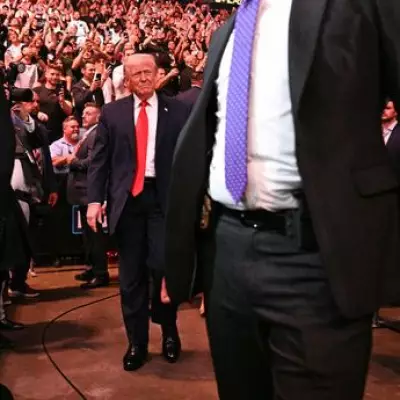
Former US President Donald Trump ignited a firestorm of controversy yesterday by sharing an artificial intelligence-generated image portraying him as a Christ-like figure on his Truth Social platform. Simultaneously, he launched an extraordinary verbal assault on Pope Leo XIV, the first North American head of the Catholic Church, accusing him of being "weak on crime" and "terrible for foreign policy." This dual provocation has drawn widespread condemnation from religious leaders, political allies, and even some of Trump's own supporters, highlighting a deepening rift between the polarising figure and global Christian communities.
AI Image and Papal Broadside Trigger Immediate Backlash
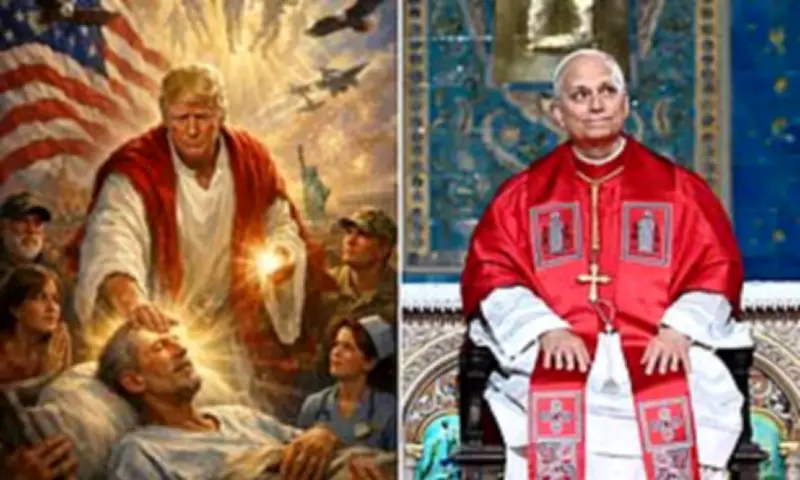
The AI-generated picture, which Trump later removed amid intense criticism, depicted the former president as a robed Christ-like figure seemingly healing a sick individual while surrounded by adoring figures including a nurse and a soldier. In a Renaissance painting-style background, fallen US servicemen were shown ascending to heaven. This visual spectacle was accompanied by Trump's sharp rebuke of Pope Leo XIV, who had recently spoken out against the ongoing war with Iran, calling it "atrocious" and urging diplomatic solutions. Trump asserted that the Pope "wouldn't be in the Vatican" without his influence, a claim that further inflamed tensions.
In a surprising twist, Trump defended the image during an impromptu press conference while receiving a McDonald's delivery at the Oval Office, insisting it portrayed him as a doctor "making people better" rather than as Jesus. He criticised media narratives and stated there was "nothing to apologise for." However, the Pope responded calmly, expressing he had "no fear" of Trump and would continue preaching Christian doctrine against warfare, noting that the Gospel message should not be abused.

International Reactions and Political Fallout
The incident has reverberated across the globe, with prominent figures condemning Trump's actions. Italy's Prime Minister Giorgia Meloni, a right-wing ally of the White House, labelled Trump's words "unacceptable," emphasising the Pope's role in advocating for peace. Historian Massimo Faggioli drew a stark comparison, remarking that "not even Hitler or Mussolini attacked the pope so directly and publicly." In the United States, Bishop Robert Barron of Winona-Rochester in Minnesota called the comments "inappropriate and disrespectful," while Iran's President Masoud Pezeshkian condemned the insult on social media, declaring the desecration of Jesus unacceptable.
Trump's wife, Melania, a practising Catholic, adds a personal dimension to the controversy, making the spat all the more surprising. The former president doubled down on his criticism, describing Pope Leo as "very liberal" and someone who "doesn't believe in stopping crime," further straining relations. As the debate continues, this episode underscores the volatile intersection of politics, religion, and technology in modern discourse, with implications for diplomatic ties and public perception.