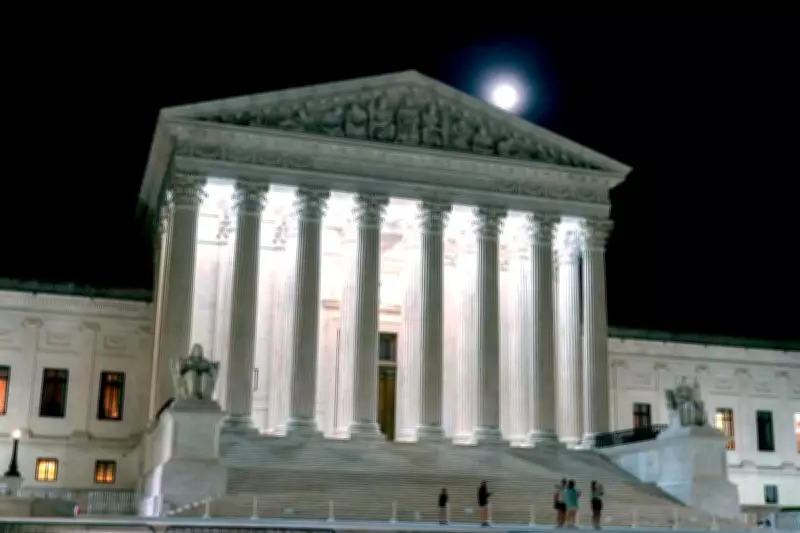
In an unprecedented move, former President Donald Trump has announced his intention to attend a Supreme Court hearing concerning birthright citizenship in the United States. This marks the first time a sitting or former president will be present at such a judicial proceeding, highlighting the high stakes of the case.
Details of the Supreme Court Hearing
The hearing will address a critical legal question: whether Trump can deny citizenship to children born in the U.S. to parents who are in the country illegally or on temporary visas. This issue stems from an executive order signed by Trump during his presidency, aimed at ending birthright citizenship, a right that has been enshrined in the 14th Amendment since the Civil War era.
Legal Challenges and Constitutional Concerns
Lower courts have consistently ruled against Trump's executive order, with one district judge explicitly stating that it 'likely violates' both the U.S. Constitution and federal law. These rulings have set the stage for the Supreme Court to make a final determination, which could have far-reaching implications for immigration policy and constitutional interpretation.

Trump has publicly expressed strong views on birthright citizenship, including in a Truth Social post where he linked the practice to 'Chinese Billionaires' and labeled it a 'Great Scam'. His attendance at the hearing underscores his personal investment in the outcome, as he seeks to overturn longstanding legal precedents.
Historical Context and Implications
The 14th Amendment, ratified in 1868, was designed to grant citizenship to all persons born or naturalized in the United States, including former slaves. Trump's efforts to challenge this amendment represent a significant departure from traditional interpretations, sparking debates among legal scholars and policymakers about the limits of executive power and constitutional rights.
If the Supreme Court rules in favor of Trump, it could reshape immigration laws and affect thousands of families across the country. Conversely, a ruling against him would reinforce the current legal framework, potentially limiting future executive actions on citizenship matters.
The hearing is scheduled to take place in the coming weeks, with oral arguments expected to delve into complex legal and historical analyses. Trump's presence is anticipated to draw significant media attention and public scrutiny, as the case touches on core issues of national identity and governance.