Trump Reportedly Pledged Mass Pardons to Aides, Covering 'Everyone Within 200 Feet of Oval Office'
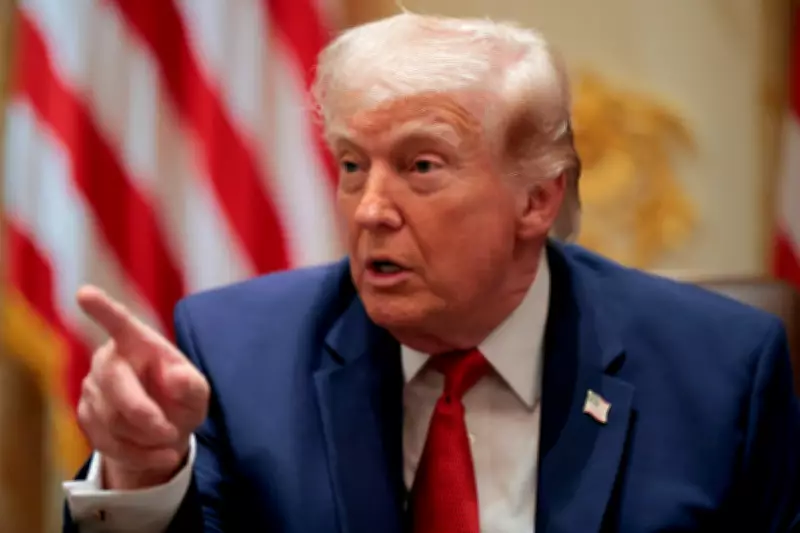
According to recent reports, former President Donald Trump has allegedly made sweeping promises of pardons to a wide array of his aides for any potentially illegal actions undertaken while serving him. The claims suggest that these assurances extend to "everyone who has come within 200 feet of the Oval Office," indicating a broad scope of potential clemency. The White House Press Secretary has dismissed these assertions as mere "jest," urging media outlets to "learn to take a joke," while simultaneously reaffirming the president's "absolute" authority to issue pardons under constitutional powers.
Surge in Clemency Grants Under Trump's Administration
Since resuming office, Trump has been notably active in exercising his pardon powers, having issued over 1,600 grants of clemency. Many of these pardons have benefited political allies, campaign donors, and individuals with connections to his administration. A significant portion, approximately 1,500, were granted to participants involved in the January 6 Capitol riots, highlighting a controversial trend in his clemency decisions. This pattern raises questions about the use of presidential pardon authority for politically motivated purposes.
Notable Cases Among the Pardoned Individuals
Among the high-profile recipients of Trump's clemency are former Honduran president Juan Orlando Hernández, who faced serious drug-trafficking charges, and Binance founder Changpeng Zhao, who pleaded guilty to violations of anti-money laundering regulations. These cases underscore the diverse range of individuals who have received pardons, spanning from foreign leaders to prominent figures in the cryptocurrency industry. The inclusion of such controversial figures has sparked debates over the ethical implications of presidential pardons.

Legal Implications and Immunity Concerns
While the president enjoys immunity from prosecution for official duties performed while in office, this protection does not extend to staff members or aides. However, preemptive pardons could potentially shield these individuals from federal charges for acts committed under presidential orders. This legal nuance adds complexity to the situation, as it may influence future accountability and the boundaries of executive power. Experts warn that such practices could set precedents affecting the rule of law and separation of powers in the United States.
Broader Context and Political Reactions
The reports of mass pardon promises come amid ongoing political tensions and scrutiny of Trump's administration. Critics argue that these actions undermine judicial integrity and promote a culture of impunity, while supporters view them as a legitimate exercise of presidential prerogative. The White House's characterization of the promises as humorous has done little to quell concerns, with many calling for greater transparency and oversight in clemency processes. As the situation develops, it remains a focal point in discussions about governance and legal accountability in contemporary politics.