Trump's Iran War Stirs Anger in Kentucky's MAGA Country Amid Poverty
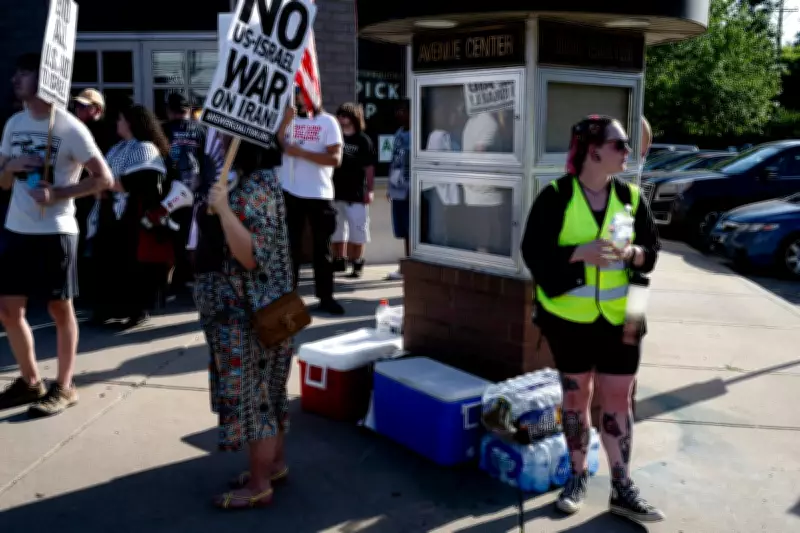
In Appalachian Kentucky, a region known for its staunch Republican support, the US military's recent actions against Iranian nuclear facilities are sparking unexpected dissent. On 22 June 2025, protesters gathered in Louisville, Kentucky, standing near coolers to voice their opposition to what many deem a needless conflict initiated by the Trump administration. This deeply red area, grappling with economic hardship and federal aid reductions, is now questioning the allocation of billions toward war rather than domestic priorities.
Defying Political Stereotypes in a Disadvantaged Region
Appalachian Kentucky defies easy political categorization. It is home to fervent churchgoers who embrace socialist ideals rooted in Christian teachings and gun owners advocating for universal healthcare. With shuttered coal mines and steel plants, this remains one of America's most disadvantaged regions, lacking the military-adjacent industries common in other Republican-leaning areas. The war's impact hits close to home, as two of the 13 American military members killed so far hail from Kentucky, intensifying local scrutiny of Washington's decisions.
Early estimates indicate the first 12 days of the Iran conflict cost US taxpayers approximately $16.5 billion. Meanwhile, about 40% of children in eastern Kentucky grow up in households below the federal poverty level. In July 2022, devastating floods claimed 38 lives in the same area. Compounding these struggles, thousands of residents have faced cuts to Snap and Medicare support under the Trump administration, with rising utility prices pushing many back into poverty.

Voices of Discontent and Nuanced Perspectives
McKenna Brashear, acting president of the Perry County Young Democrats from the small community of Viper, expresses widespread frustration. "This war, with no congressional approval, is a slap in the face of rural Kentuckians and my neighbors. There are so many things that money could be better allocated for … especially after all the cuts that have been made, it's really difficult to kind of swallow that pill," she says. Brashear highlights how war spending could instead boost education and alleviate financial strains exacerbated by higher gas prices.
However, not all residents oppose the military action. Brandon La Voie, a lifelong Democrat who voted for Trump in 2024, offers a nuanced view. He supports intervention in Iran, citing the regime's crackdown that killed up to 30,000 anti-government protesters. "Do I think [the war] is a good idea? I think it was the only idea, unfortunately," La Voie argues, fearing a larger future conflict that could draft his sons. He acknowledges the funds could build community centers but prioritizes confronting what he sees as a growing evil.
Political Criticism and Economic Betrayals
The war has drawn criticism from Kentucky politicians across party lines. During a March visit to a packaging plant, Trump failed to acknowledge fallen soldiers from the state, sparking rebuke from Governor Andy Beshear, a potential 2028 Democratic presidential contender. Republican Senator Rand Paul warned the conflict could harm the GOP with high oil prices and prolonged warfare. Representative Thomas Massie, a Republican critic, argued the war might radicalize terrorists and questioned its benefit to families struggling with grocery costs.
Economic disappointments deepen local resentment. A planned $2 billion aluminum mill on Industrial Parkway, intended to revive manufacturing with $65,000 jobs, was abandoned by 2022. Governor Beshear labeled it "the worst and shadiest economic development deal in Kentucky's history." Such betrayals, locals say, fuel populist appeal for figures like Trump in eastern Kentucky, where per capita income in Perry County falls below $30,000 and Trump vastly outperformed Kamala Harris in the 2024 election.

Religious and Cultural Dimensions of the Conflict
In Perry County, economic struggles have driven many toward religion for solace. McKenna Brashear notes that evangelical Christianity, prevalent in eastern Kentucky, views Middle East wars as signs of the end times, influencing perspectives on the Iran conflict. "Religion is contributing to views on the war," she observes, reflecting how the Trump administration's framing of the war in religious terms resonates in this devout region.
Brandon La Voie, who runs a restoration company, draws parallels to historical extraction of resources and people from Appalachia. "Extraction is something that we're used to; my grandfather was extracted from here to serve in the Vietnam war. He was exposed to extreme amounts of Agent Orange and ended up passing from it," he says, encapsulating a sentiment of being hijacked by distant powers. As the war continues, these complex dynamics underscore a growing discontent in a region once firmly in Trump's camp.