Court Temporarily Allows Trump's White House Ballroom Construction to Proceed
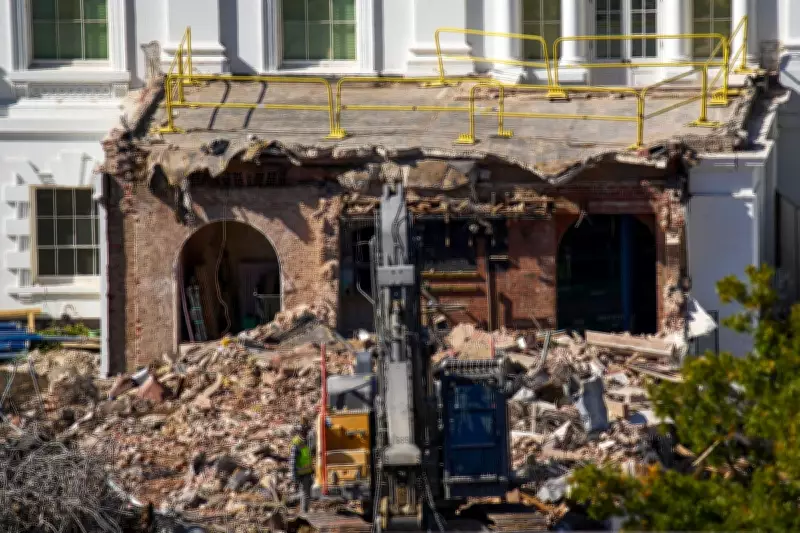
A federal appeals court has issued a temporary ruling permitting construction to continue on former President Donald Trump's $400 million White House ballroom project. The decision, made by a three-judge US circuit court in Washington, DC, allows work to proceed until 17 April, when the court will revisit the issue. This ruling overturns a previous lower court injunction that had ordered the construction to cease by 14 April.
Legal Arguments and Controversy
Trump's legal team has argued that the ballroom is essential for the safety and security of the White House. They emphasize that the project is fully funded by private donations, asserting that this eliminates the need for Congressional approval. According to their stance, the construction is a matter of national security and falls within presidential authority.
Opponents of the project, including a preservation group, strongly contest these claims. They argue that the ballroom construction exceeds presidential authority and requires Congressional approval for any changes to public buildings. Critics maintain that the project does not constitute a national security emergency and should be subject to standard regulatory oversight.

Implications and Next Steps
The temporary ruling has sparked significant debate over the limits of presidential power and the proper procedures for modifying federal properties. Legal experts suggest that the court's decision on 17 April could set a precedent for future disputes involving executive authority and public building projects.
As the construction continues under the court's temporary allowance, both supporters and opponents are preparing for the upcoming judicial review. The outcome may influence broader discussions on funding mechanisms for White House renovations and the role of private donations in public infrastructure projects.