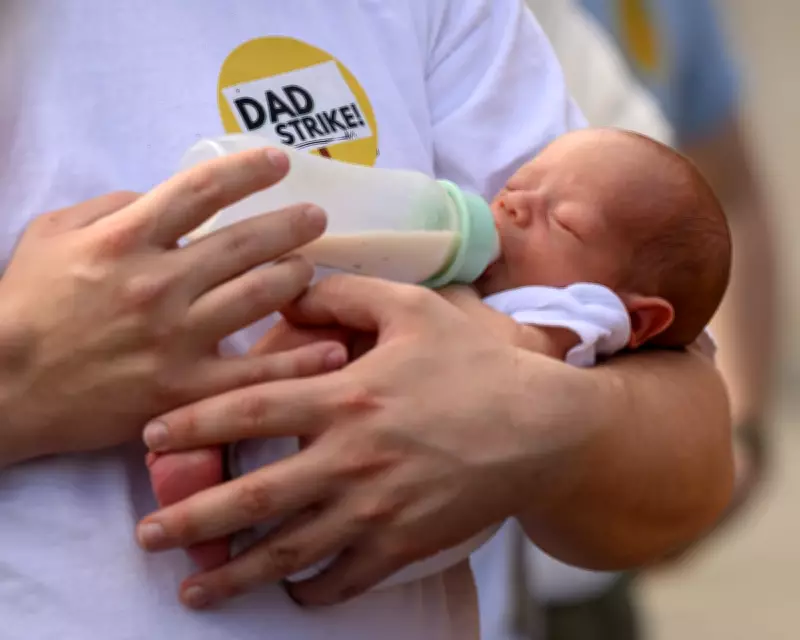
UK's 'Broken' Paternity Leave Blamed for Family Breakdowns, Study Reveals
A recent study has highlighted the severe impact of the UK's "pitiful" paternity leave system, with research indicating that it plays a significant role in family separations. Campaign groups, including The Dad Shift and Movember, argue that hundreds of thousands of families are disintegrating due to what MPs have labelled "one of the worst" parental leave systems in the developed world.
Survey Findings on Parental Leave and Relationship Strain
A survey commissioned by these groups, involving 553 separated parents, found that 69% of single parents believe the UK's two-week, low-pay paternity leave makes it harder to share parental responsibilities. This exacerbates gender inequalities and contributes to relationship breakdowns, with 39% of respondents stating that not sharing caring duties was a factor in their separation.
Research from the government supports this, showing that equal parenting can reduce separation risks by up to 92% compared to scenarios where mothers bear most of the care burden. Official figures reveal that as many as two in five new fathers do not take paternity leave, primarily due to financial constraints.

International Comparisons and UK Policy Shortfalls
The UK's statutory paternity leave, introduced in 2003, allows most new fathers and second parents to take up to two weeks off work, with pay set at £187.18 per week or 90% of average earnings, whichever is lower. This amount is less than half the minimum wage for those over 21 and excludes self-employed individuals.
In stark contrast, countries like Spain offer 16 weeks of full pay for new fathers, France provides 28 days of paid leave, and Sweden entitles families to 480 days of paid parental leave, with 90 days reserved specifically for fathers. These international examples underscore the UK's lagging policies.
Political Calls for Urgent Reform
Labour MPs, including Maya Ellis and Alistair Strathern, are urging ministers to accelerate reforms to the paternity leave system. Ellis, who will lead a Commons debate on the topic, stated that parental equality is "out of reach" for all but the wealthiest families, with working families in constituencies like Ribble Valley in Lancashire "breaking apart under the strain."
The cross-party Commons women and equalities committee, chaired by Labour MP Sarah Owen, has recommended increasing paternity leave to six weeks and including self-employed workers. While the reforms would cost an estimated £77 million annually, the committee argues that the societal and economic benefits would far outweigh this expense, warning that "tinkering around the edges of a broken system will let down working parents."
Broader Implications and Future Outlook
Studies from Iceland have shown that introducing three months of paid paternity leave in 2000 led to a "considerable" reduction in divorce rates, highlighting the potential positive impacts of reform. Labour peer Frances O'Grady, former Trades Union Congress general secretary, emphasized the urgent need to overhaul the UK's "pitiful" system to support families and promote gender equality.
As the government review continues, with changes not due until next year, advocates stress that swift action is necessary to prevent further family breakdowns and address the entrenched gender disparities exacerbated by the current paternity leave framework.