Pressure Mounts for UK Social Media Ban on Under-16s
Prime Minister Keir Starmer is confronting escalating demands to introduce a comprehensive social media ban for children under the age of 16. This follows a second parliamentary rejection of such a ban in six weeks, after peers insisted on its implementation. The Labour government's digital safety consultation, set to conclude this summer, will determine whether an outright prohibition is the optimal approach or if alternative measures like restricting addictive app features or imposing overnight curfews should be adopted.
Tech Giants Summoned to Downing Street
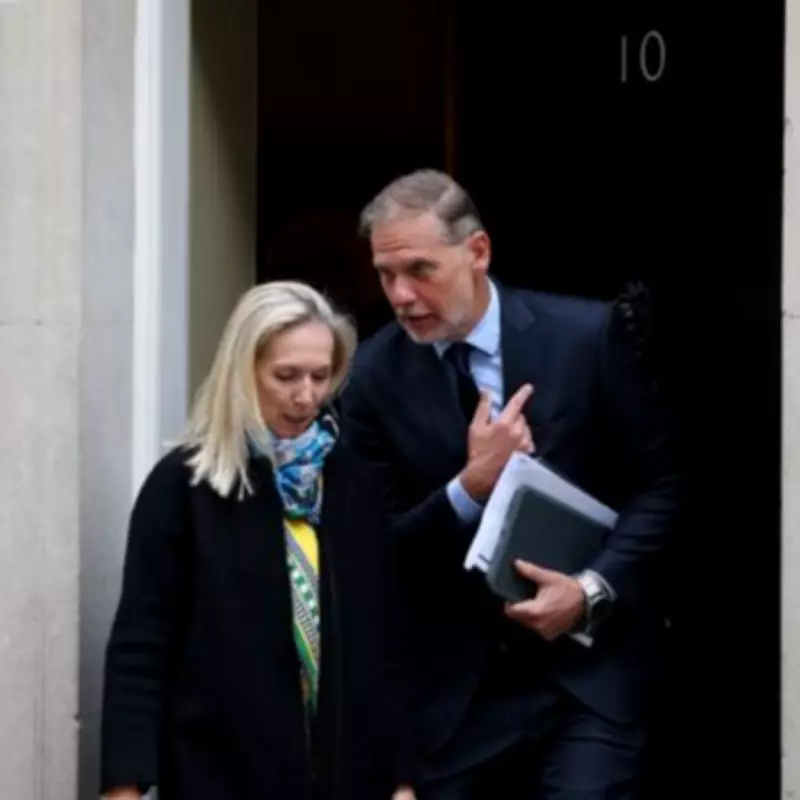
In a clear demonstration of urgency, the Prime Minister convened senior executives from major technology companies at Downing Street on Thursday morning. Leaders from X, Meta (owner of Facebook and Instagram), Snap, TikTok, and Google (owner of YouTube) were present. Starmer emphasized to the assembled tech chiefs that the risks children encounter on social media platforms "can't go on like this." He hinted at potential restrictions, stating, "In a world in which children are protected, even if that means access is restricted, that is preferable to a world where harm is the price of participation."
Australia's Social Media Ban: A Model Under Scrutiny
Australia enforced a social media ban for under-16s on December 10, targeting ten platforms including Facebook, Instagram, Snapchat, TikTok, X, YouTube, Threads, Reddit, Kick, and Twitch. Social media firms are required to implement robust age verification measures, such as government ID checks or facial and voice recognition technology. Serious or repeated breaches can result in fines up to £25 million. However, the ban has faced criticism for excluding platforms like AI chatbots, gaming sites, and dating websites.

Challenges and Loopholes in Australia's Approach
Early research indicates significant challenges with Australia's ban. Polling by the Molly Rose Foundation and YouthInsight reveals that 61% of Australian children aged 12 to 15 still maintain access to accounts on restricted platforms. For instance, 53% of previous TikTok users, 53% of YouTube users, and 52% of Instagram users continue to access these sites. Rebecca Stimson, UK Director of Public Policy at Meta, highlighted technical limitations in age verification, noting instances in Australia where marketplaces emerged for selling IDs to circumvent restrictions. Additionally, youngsters have bypassed the ban by logging out of accounts and accessing platforms via search engines like Google.
Potential Implementation in the United Kingdom
The UK already enforces strict age verification measures under the Online Safety Act, which came into effect last July. Ofcom, the media regulator, recommends various verification methods, including photo or video analysis, open banking checks, credit card age verification, or confirmation through mobile network operators. These existing frameworks could facilitate a swift implementation of a ban if mandated by the government. The Children’s Wellbeing and Schools Bill, currently in its final parliamentary stages, includes new powers to enable rapid government action based on the consultation's findings.
Youth Circumvention and Future Considerations
Despite these measures, tech-savvy youngsters in the UK have already found ways to bypass age verification. Following the implementation of the Online Safety Act, app stores experienced a surge in downloads of virtual private networks (VPNs), which mask users' locations and allow access to blocked sites. In response, ministers have confirmed that the consultation will also examine strategies to limit children's access to VPNs, addressing this critical loophole.