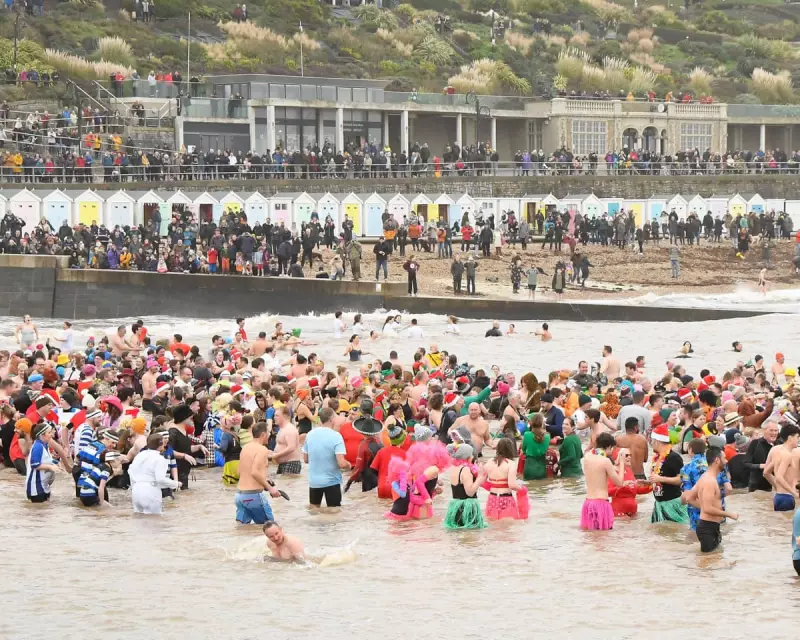
Wild swimming enthusiasts across Britain are issuing a strong note of caution ahead of the traditional New Year's Day sea dip, urging participants to prioritise safety over celebration. This comes as coastal communities brace for potentially hazardous conditions that could turn a festive tradition into a serious risk.
Rising Popularity Meets Heightened Risk
The practice of taking a bracing plunge into the sea on 1 January has seen a massive surge in popularity, becoming a staple for many seeking a fresh start to the year. However, experienced sea swimming groups are now emphasising that this is not an activity to be undertaken lightly. They point to the combined dangers of cold water shock, strong currents, and winter storms that frequently batter the British coastline at this time of year.
Organisers of established events, such as the annual dip at Portobello Beach in Edinburgh, are meticulously planning for safety. Meanwhile, informal groups and solo swimmers are being asked to exercise extreme care. The core message is clear: the thrill of the dip must be balanced with a serious respect for the power of the sea, especially during the winter months when water temperatures can be perilously low.

Essential Safety Advice for Cold Water Swimmers
For those determined to take part, seasoned swimmers are sharing crucial safety guidelines. The first and most important rule is to never swim alone. Having a companion, either in the water or watching from the shore, is a fundamental safety net. Secondly, understanding your limits is vital; entering the water slowly to manage cold water shock is recommended over an impulsive dive.
Further practical advice includes:
- Check tide times and weather forecasts meticulously before heading out. A calm beach can become treacherous quickly with an incoming tide or changing winds.
- Acclimatise gradually. Spend a very short time in the water on your first winter swim—often just a few minutes is enough.
- Have warm, dry clothing ready on the shore for immediately after you exit. The period after swimming is when the body continues to cool down rapidly.
- Avoid alcohol completely before and after your swim, as it impairs judgement and accelerates heat loss.
Many local swimming communities also advise choosing a beach with lifeguard patrols if possible, even in winter, and always making someone not at the beach aware of your plans and expected return time.
A Community Built on Shared Experience and Safety
The call for caution underscores the strong community ethos within the wild swimming world. For many, these groups provide not just camaraderie but a vital framework of shared knowledge for managing risks. The emphasis is on fostering a culture where looking out for one another and recognising personal limits is celebrated just as much as the swim itself.
As one experienced organiser noted, the goal is to ensure that the tradition of the New Year's Day swim remains a positive, invigorating, and, above all, safe experience for everyone involved. By planning carefully and heeding expert advice, swimmers can welcome the new year with a refreshing dip while minimising the very real dangers posed by the UK's winter seas.