Michael Carrick's Immediate Impact at Manchester United
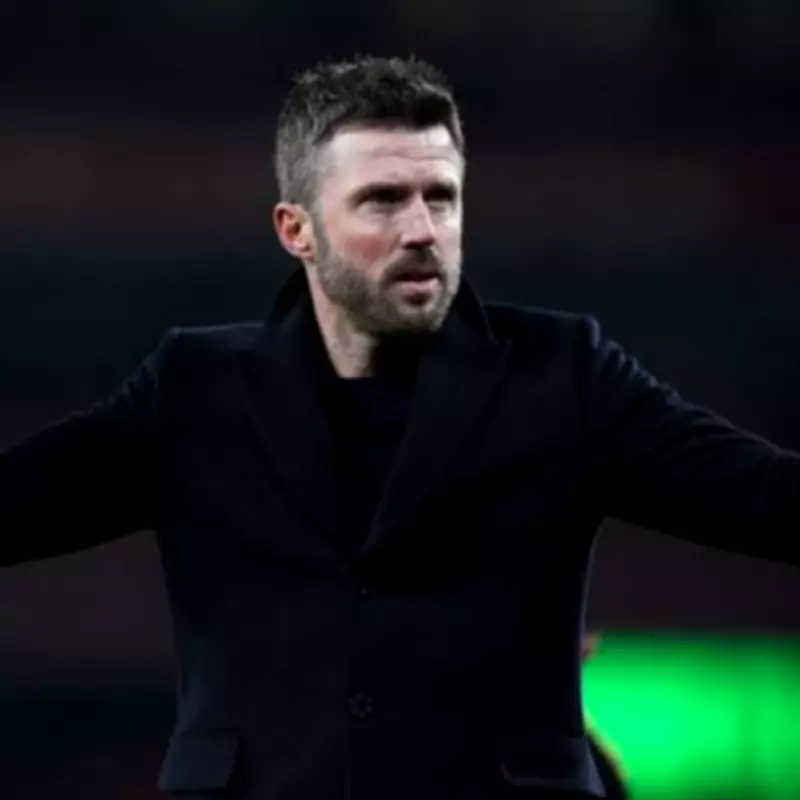
Since taking over as interim head coach of Manchester United in January, Michael Carrick has wasted no time in implementing a series of transformative changes at the club. In just three weeks, the 44-year-old former United midfielder has overseen a remarkable turnaround, securing three wins from three fixtures, including victories over Manchester City and Arsenal, while instilling a sense of hope and identity reminiscent of the club's storied past.
Seven Key Rule Changes Under Carrick
Carrick's rapid success can be attributed to seven significant rule changes he has introduced, moving away from the policies of his predecessor, Ruben Amorim, whose 14-month tenure ended amid disputes over tactics and transfers.
- Training the Day After Matches: Carrick has scrapped the requirement for players to attend recovery sessions the day after games, granting them rest days instead. Recovery work is now scheduled two days post-match, a shift from Amorim's and Erik ten Hag's stricter regimes.
- Tactical System and Selection: Amorim's rigid 3-4-3 formation has been replaced with a traditional 4-2-3-1 setup, emphasising fast-paced wing play. Carrick has also reintegrated academy graduate Kobbie Mainoo into the starting lineup, boosting fan morale.
- Dressing Room Food Ban: Amorim prohibited food in the dressing room to improve fitness, but Carrick has reversed this, transforming the space into a supportive environment. He ensures players are addressed immediately after matches, with Harry Maguire reportedly taking a lead role in fostering communication.
- Coaching Limitations: Unlike Amorim, who restricted coaching staff from delivering complex tactical instructions, Carrick allows a freer flow of information. Players have praised his direct involvement, contrasting with Amorim's more observational approach.
- Matchday Logistics: Carrick has adjusted arrival times at Old Trafford, with the team bus arriving closer to kick-off to prevent waiting and ensure a strong reception from fans, a departure from Amorim's earlier arrival requirements.
- Training Session Structure: Training sessions are now shorter but more intense under Carrick, with a focus on one-to-one coaching. This contrasts with Amorim's longer, lower-intensity sessions, and has reportedly increased energy levels, aided by new assistants Steve Holland and Jonathan Woodgate.
- Focus on Youth: Carrick has shown a stronger commitment to youth development, recalling players like Habeeb Ogunneye from loan and involving Joe Hugill in first-team training. He regularly watches youth fixtures, reassuring academy prospects of a pathway to the senior squad, unlike Amorim, who was criticised for neglecting this aspect.
These changes have not only improved results but also revitalised the club's culture, with Carrick's emphasis on communication, youth, and tactical flexibility marking a stark departure from the previous regime. As United look to build on this positive start, Carrick's rule adjustments are proving pivotal in restoring the club's competitive edge and identity.