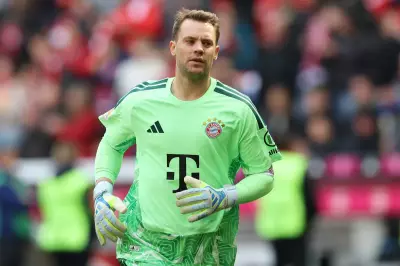
In the world of football, loyalty is a rare and cherished commodity, often celebrated through the stories of one-club players. However, there exists a fascinating and often overlooked group: the almost one-club players. These are the footballers who dedicated the vast majority of their professional careers to a single club, only to have their tenure interrupted by brief stints elsewhere, creating tales of near-perfect allegiance that captivate fans and historians alike.
The Definition of an Almost One-Club Player
An almost one-club player is typically defined as someone who spent over 90% of their senior career appearances or years at one primary club. This distinction sets them apart from true one-club legends, yet their stories are no less compelling. They represent a unique blend of commitment and circumstance, where factors like late-career moves, loan spells, or early departures for youth development slightly tarnish an otherwise unbroken bond.
Notable Examples from Football History
Throughout football history, several players have come close to achieving one-club status but fell just short. For instance, consider a midfielder who played 18 seasons for a top English club, making over 500 appearances, only to finish his career with a single season abroad. Or a defender who was a stalwart for 15 years, his loyalty unquestioned until a brief loan move in his twilight years. These individuals often embody the spirit of their clubs, contributing significantly to successes and becoming fan favourites, despite not having a flawless record of exclusivity.

Why These Stories Matter
The tales of almost one-club players highlight the complexities of modern football careers. In an era where transfers are commonplace and player mobility is high, sticking with one club for the long haul is increasingly rare. These players demonstrate remarkable dedication, often overcoming injuries, managerial changes, and competitive pressures to maintain their place. Their near-misses serve as a reminder that loyalty isn't always absolute, but it can still be profound and impactful.
The Emotional Impact on Fans and Clubs
For supporters, almost one-club players often evoke strong emotions. They are seen as symbols of continuity and tradition, bridging different eras of a club's history. When such a player eventually departs, even if briefly, it can feel like the end of an era, sparking nostalgia and reflection. Clubs, too, benefit from their presence, as they provide stability and mentorship to younger teammates, fostering a sense of identity and culture that transcends mere statistics.
Comparing to True One-Club Legends
While true one-club players like Paolo Maldini or Ryan Giggs are rightfully lauded for their unwavering loyalty, almost one-club players deserve recognition for their own merits. The difference often lies in minor details—a single transfer, a short loan, or an early career move—that don't diminish their overall contribution. In many cases, these players faced unique challenges, such as financial constraints or personal reasons, that led to their brief departures, adding layers to their narratives.
The Role in Football's Evolving Landscape
As football continues to evolve with increased globalisation and financial incentives, the concept of the almost one-club player may become more common. Young talents might start at one club, spend the bulk of their careers there, and then seek new challenges late on. This trend doesn't necessarily detract from their loyalty; instead, it reflects the dynamic nature of the sport, where careers are longer and opportunities more diverse than ever before.
In celebrating these remarkable individuals, we gain a deeper appreciation for the nuances of football loyalty. Their stories enrich the sport's tapestry, reminding us that greatness isn't always defined by perfection, but by the enduring connections forged over time.