Irish Jockey Exonerated After Controversial Fall at Wexford Racecourse
A disciplinary panel in Ireland has officially cleared jockey Philip Byrnes of any wrongdoing following a highly contentious incident during a hurdle race at Wexford last year. The ruling brings to a close a protracted investigation that had cast a shadow over the young rider's career.
The Controversial Incident at Wexford
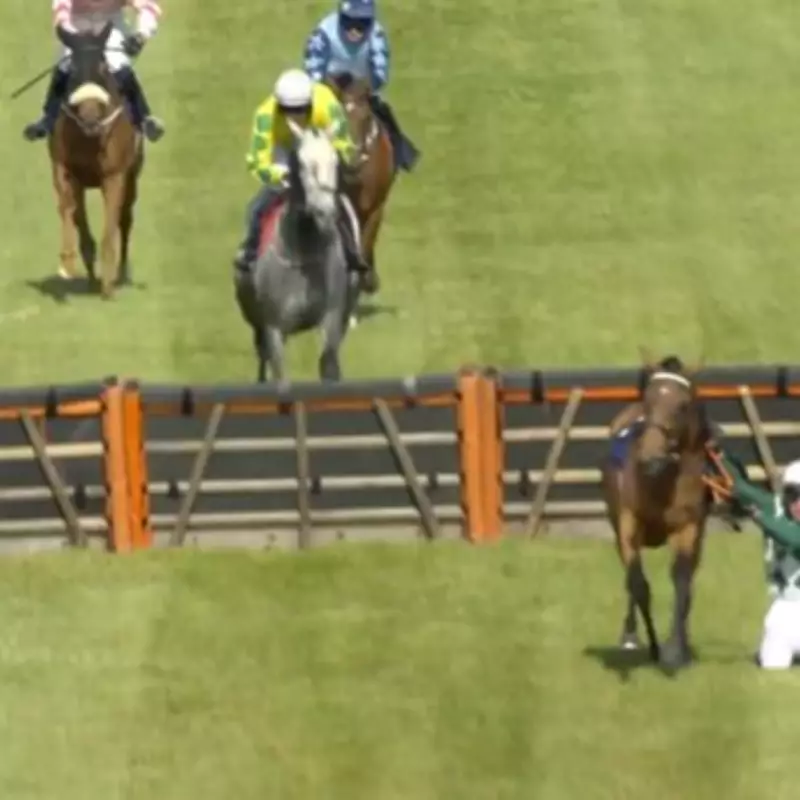
The controversy centred on a claiming hurdle race that took place in May last year at Wexford racecourse. Philip Byrnes was riding Redwood Queen, a horse trained by his father, Charles Byrnes. The mare had attracted significant attention in the betting markets, opening at odds of 7-2 before drifting out to 13-2 by the start of the race.
Redwood Queen raced prominently throughout the contest and, according to analysis from the Racing Post, appeared to have victory secured as she approached the final flight with a commanding lead. The publication noted the horse "had the race in safe keeping when her rider became unbalanced and came off at the last."

Despite the on-course stewards taking no immediate action, the incident sparked considerable public debate and outcry, particularly on social media platforms. This led the Irish Horseracing Regulatory Board to refer the matter to their Referrals Committee for a formal investigation.
Formal Charges and Disciplinary Proceedings
The IHRB brought three specific charges against Philip Byrnes, alleging that he had "deliberately left the saddle immediately after the horse jumped the final hurdle." In a separate development, his father and trainer Charles Byrnes faced allegations of attempting to undermine the investigation after he was quoted suggesting the inquiry was being conducted "to please the faceless people on social media."
A comprehensive day-long hearing took place in December, featuring expert testimony from two distinguished former jockeys. Leighton Aspell appeared as a witness for the regulatory board, while Davy Russell, both Grand National winners, provided evidence in defence of Philip Byrnes.
During the proceedings, IHRB data revealed that Philip Byrnes's rate of falls and unseats was "materially higher" than other riders with comparable experience. The jockey himself admitted in evidence that he believed he "had the race in the bag" but maintained that he had simply lost his balance and subsequently his stirrups. He expressed being "deeply embarrassed" by the entire incident.
Panel's Detailed Findings and Conclusion
Committee chair Mr Justice Peter Kelly carefully considered all evidence before delivering the panel's verdict. The ruling accepted Philip Byrnes's version of events, concluding: "What is clear to us is that as a result of the way the horse jumped the hurdle, she bumped the backside of the jockey, sending him over so slightly to the left which resulted in him losing the right stirrup in the first instance followed by the left and he was duly unseated from the horse."
The panel explicitly stated: "We do not believe that this was a deliberate act on his part. He was fortunate in the way in which he landed and that he suffered no injuries."
However, the report did offer some criticism of the jockey's horsemanship, describing the incident as "an example of poor horsemanship on the part of the jockey, consistent with his pre-existing poor falls record." The committee elaborated that "the jockey's position of instability stemmed from an exuberant jump by the horse, resulting in the loss of both irons consecutively. His effort to remain on board by holding onto the reins and neck strap was unsuccessful."
Justification for Investigation and Broader Implications
Interestingly, the disciplinary panel acknowledged that the IHRB was justified in bringing the case forward, admitting that upon initial viewing "the jockey's fall was indeed very suspect and appeared deliberate and contrived." This admission highlights why the incident generated such widespread suspicion within the racing community.

After meticulously examining all available video and photographic evidence from multiple angles and considering all testimony, the committee ultimately concluded that deliberate wrongdoing had not occurred. The report noted that many racing pundits and commentators had been "quick to rush to judgment adverse to the jockey" and that "such conclusions were unfair to him."
Charles Byrnes was also found not guilty of breaching any rules regarding his comments about the investigation. The ruling brings closure to a case that has captivated the Irish racing world for months, while simultaneously raising important questions about how such incidents are perceived and judged in the modern era of instant social media commentary.